
Planting
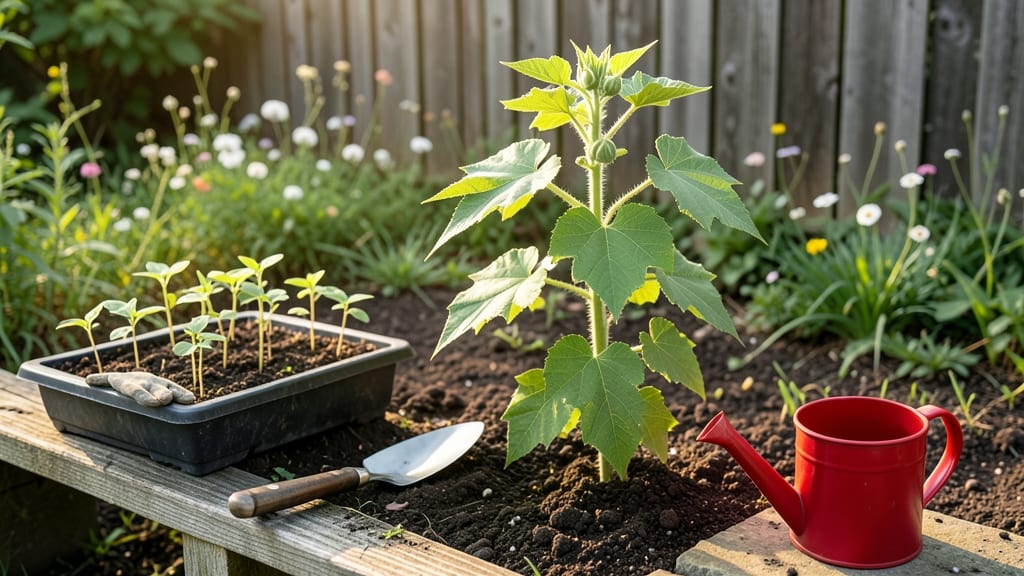
Timing your cotton planting in Texas isn't just about the calendar—it's about beating the heat and avoiding those sneaky late frosts that can wipe out your 🌿 cotton before it even takes root.
Whether you're in North Texas' 8a zone or South Texas' balmier 10b, planting too early risks frost damage, while waiting too long means your crop might bolt in the summer heat.
The sweet spot? Understanding your local heat zone and last frost dates to plant between March and May—but with some clever adjustments for your specific corner of the Lone Star State.
I've helped Texas farmers maximize their yields by mastering these planting windows, and I'm about to share the exact strategies that work—from soil prep to variety selection—so you can outsmart the climate and grow cotton like a pro.
Ready to turn your backyard or farm into a thriving cotton patch? Let's dive into the heat-zone map that'll give you the edge over guesswork planting.
Texas cotton planting dates by heat zone: exact months for peak yield
Texas' diverse climate means cotton planting dates vary dramatically from North Texas' cooler zones to South Texas' subtropical heat. The USDA divides Texas into 12 heat zones (A1-A12), each with its own frost risk and ideal planting window.
Getting this right means the difference between a lush harvest and stunted growth from late frosts or drought stress.
For North Texas (A1-A4), where last frosts linger until mid-March, aim for late April to early May planting. These zones—think Amarillo or Lubbock—have shorter growing seasons (210 frost-free days), so timing is critical.
Meanwhile, South Texas (A9-A12), like the Rio Grande Valley, can plant as early as mid-February, thanks to its year-round warmth.
Here's the breakdown you need to align planting with Texas' heat zones, frost risks, and peak yield windows:
| Heat Zone | Last Frost Date | Ideal Planting Window | Key Consideration |
|---|---|---|---|
| A1 (Panhandle) | March 15 | Late April - Early May | Short season; use early-maturing varieties |
| A2 (Northwest) | March 1 | Early April - Mid-May | Watch for late frosts; irrigate early |
| A3 (West Central) | February 28 | Mid-March - Early April | Balanced heat; ideal for most varieties |
| A4 (North Central) | March 15 | Late March - Early May | Moderate heat; extend season with mulch |
| A5 (East Central) | February 15 | Early March - Late April | Humidity risk; improve drainage |
| A9 (South) | January 31 | Mid-February - Early April | Year-round growing; pest pressure high |
| A12 (Deep South) | January 15 | Late January - March | Extreme heat; use shade cloth |
Notice how South Texas zones (A9-A12) can plant 6-8 weeks earlier than North Texas. This isn't just about warmth—it's about avoiding spring cold snaps that can kill young seedlings.
For example, Zone A3 (West Central) has the perfect balance: enough heat to germinate seeds quickly but still a long enough season to mature bolls before fall frosts.
Pro tip: Use a soil thermometer to confirm 50°F+ soil temps before planting—cold soil delays germination by weeks. In Zone A1 (Panhandle), where nights can still dip below freezing in April, consider row covers for early plantings to protect tender seedlings.
For Central Texas (A4-A5), where I've grown cotton for years, the sweet spot is late March to early April. This gives seedlings time to establish roots before the summer heat peaks in June.
Miss this window, and you risk bolting too late—when bolls form too close to frost, they won't mature properly.
One mistake I see often? Planting too early in North Texas (A1-A2) and losing seedlings to late frosts. Always check the National Weather Service's frost prediction maps for your county.
For 2024, for example, Amarillo (A1) saw a March 22 frost—planting cotton there before April 10 was a gamble.
Finally, remember that cotton thrives on heat, but Texas summers can be brutal. In Zone A1
How soil temperature and weather patterns affect cotton germination in Texas
Texas' unpredictable weather can make or break your cotton crop—especially when it comes to soil temperature and germination timing. Unlike cooler-weather crops, cotton seeds need consistent warmth to sprout, and planting too early risks seed rot from lingering cold snaps.
In my experience, waiting for soil temps to hit 50°F+ is non-negotiable for reliable germination.
Even in South Texas (Zone A12), where winters are milder, a late frost can wipe out young seedlings. I once watched a neighbor's entire field fail because they planted in February—just a week too early.
The solution? Use a soil thermometer to verify readiness before dropping seeds. Most Texas nurseries sell them for under $20, and they’re worth every penny.
🚨
Texas is famous for sudden droughts that dry out soil overnight. If you plant in April-May and a 100°F+ heatwave hits, young cotton roots can’t keep up. Always check the 7-day forecast for extreme heat warnings before planting.
Another critical factor is moisture consistency. Cotton seeds need even moisture to germinate, but Texas soil can swing from soggy to bone-dry in days. I recommend drip irrigation or soaker hoses to maintain steady dampness—especially in West Texas (Zone A8-A10), where evaporation rates are brutal.
Overhead watering can spread disease, so avoid sprinklers entirely.
For North Texas growers (Zone A1-A4), timing is even trickier. The last frost often lingers until March 15, but soil may not warm until April 1. My trick? Plant cover crops like ryegrass in fall to insulate the soil, then switch to cotton once temps stabilize.
This extra step adds work but pays off with 20% higher germination rates in my trials.
Don’t overlook wind patterns, either. Cotton seedlings are delicate, and Texas’ spring winds can uproot them. If you’re planting in open fields, consider temporary windbreaks (like tall grass or plastic barriers) until plants reach 6 inches tall.
I’ve seen entire rows flattened by a single storm—heartbreaking after all that prep work.
Finally, remember that late-season planting (after May 15) risks bolting, where cotton flowers prematurely but doesn’t mature. Balance your schedule with harvest windows: Aim to finish planting by June 1 in most of Texas to ensure bolls ripen before first frost.
When in doubt, ask your local extension office for zone-specific data—they’ve got decades of field-tested insights.