
Plants
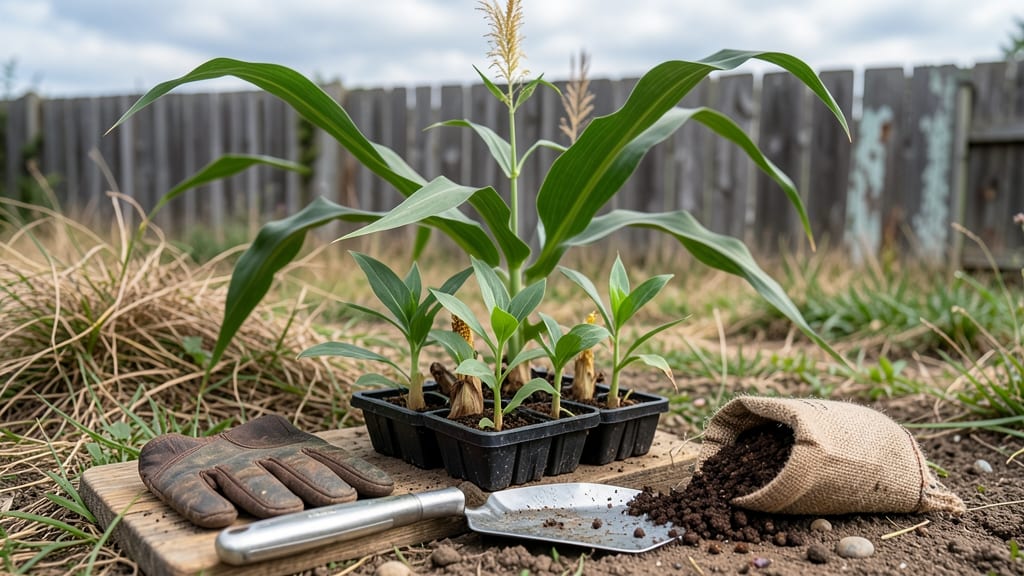
Timing your 🌽 corn planting in South Carolina isn’t just about avoiding frost—it’s about catching that sweet spot when soil warms up and pests haven’t yet taken over. Get it wrong, and you might end up with stunted plants or a harvest that never comes.
But nail it, and you’re looking at towering stalks loaded with juicy ears by summer.
The 3-week window before your last frost (usually mid-April to late May) is your golden opportunity. That’s when soil hits 60°F—the magic number for corn seeds to sprout reliably.
Coastal areas like Charleston might need to plant slightly later than inland spots like Greenville, where warmer microclimates give you a head start.
Here’s the kicker: planting too early risks frost damage, while waiting too long means your corn might bolt or struggle with summer heat.
I’ll show you how to pick the right variety—whether you want early sweet corn or late-season stalks—and when to space those seeds for maximum yield in your 7b-8a zone.
Ready to turn your garden into a cornucopia? Let’s break down the exact steps to time your planting like a pro, so you’re not left with empty husks come harvest season.
South Carolina’s ideal corn planting window: frost dates, soil temps, and local microclimates
Timing your corn planting in South Carolina hinges on two critical factors: soil temperature and last frost dates. Corn seeds won’t sprout until the soil reaches 60°F, and planting too early risks frost damage.
In most of SC, this window opens between mid-April and early May, but coastal areas like Charleston may start slightly earlier due to milder temperatures.
For inland regions like Columbia and Greenville, wait until after the average last frost date (typically April 15-30). Check local USDA Zone 7b-8a frost records—Charleston’s last frost often arrives 2-3 weeks earlier than Upstate SC. Use a soil thermometer to confirm readiness before planting.
Here’s what you need to know about microclimates in SC. Coastal areas benefit from warmer soils earlier, while Piedmont regions may need to wait until late April.
Elevation also matters—higher areas cool faster at night. If you’re unsure, plant a test row a week before your target date to gauge soil warmth.
| Region | Ideal Planting Window | Soil Temp Requirement | Key Microclimate Note |
|---|---|---|---|
| Coastal (Charleston) | Late March–early April | 60°F+ | Warmer soils; watch for salt spray near coast |
| Piedmont (Columbia) | Mid-April–early May | 60°F+ | Cooler nights; frost risk until May |
| Upstate (Greenville) | Early–mid May | 60°F+ | Higher elevation; later soil warming |
Once you’ve confirmed soil warmth, aim to plant corn seeds 1 inch deep and 4-6 inches apart in rows spaced 30-36 inches apart. This spacing prevents fungal diseases (like corn smut) and ensures proper pollination. In SC’s humidity, well-draining soil is non-negotiable—corn roots rot quickly in soggy conditions.
Pro tip: Use black plastic mulch to warm soil faster and suppress weeds. Lay it down 1-2 weeks before planting to maximize heat absorption. This is especially helpful in Upstate SC, where cooler soils delay germination. Pair mulch with a drip irrigation system to maintain consistent moisture without overwatering.
Don’t overlook succession planting—SC’s short growing season means you’ll likely need 2-3 plantings spaced 2 weeks apart to stretch your harvest from July to September. Early plantings (late April) yield sweet corn in July, while mid-May plantings mature in August.
Late plantings risk earworm infestations, so use row covers if extending into June.
Local pest pressure varies by region. Coastal areas face corn earworm earlier (June), while Upstate SC sees more armyworm damage in July.
Monitor plants closely and apply Bt-based sprays if needed. Companion planting with beans or squash can deter pests naturally—just keep them 10 feet away from corn to avoid competition.
If you’re planting heirloom or late-maturing varieties, consider a blacklight trap to monitor moth activity. SC’s humid climate accelerates ear rot in overripe corn, so prioritize harvest timing over yield quantity. Aim to pick ears when silks turn brown and kernels are milky-white—this ensures peak sweetness and texture.
How to adjust planting time for sweet corn varieties: early vs. late maturing types
Choosing the right corn variety for South Carolina is just as important as timing. The state’s short growing season (about 210 frost-free days) means you’ll need to pick varieties that mature before the first frost in mid-November.
Early varieties (like 'Silver Queen') can be planted as soon as soil warms to 60°F, while late varieties (like 'Peaches and Cream') need a longer season.
For coastal areas (e.g., Charleston), where summers are hotter and humidity is higher, you can push the envelope with mid-season varieties (80–90 days to maturity). Inland regions (e.g., Greenville) with cooler nights benefit from early or mid-early types to avoid frost damage.
Planting succession crops every 2 weeks in April and May ensures a staggered harvest through July and August.
🌽
Avoid planting late varieties unless you’re in a microclimate with extended heat (e.g., near the coast). Even then, have row covers ready to protect young plants from unexpected late-spring frosts.
For succession planting, stagger seeds every 10–14 days to ensure a continuous harvest before corn earworm outbreaks peak in July.
If you’re growing dwarf corn (4–6 ft tall), like 'Tom Thumb', you can plant it slightly earlier (late March) in protected beds or containers. These varieties mature faster and are less prone to lodging in humid conditions. Just be prepared to hand-pollinate if rain washes away silks during flowering.
💧 For all varieties, monitor soil moisture closely during silking (when tassels appear). Drought stress at this stage can cause poor kernel set, even if you planted at the perfect time. Mulch with straw to retain moisture and reduce weeds.