
Plants
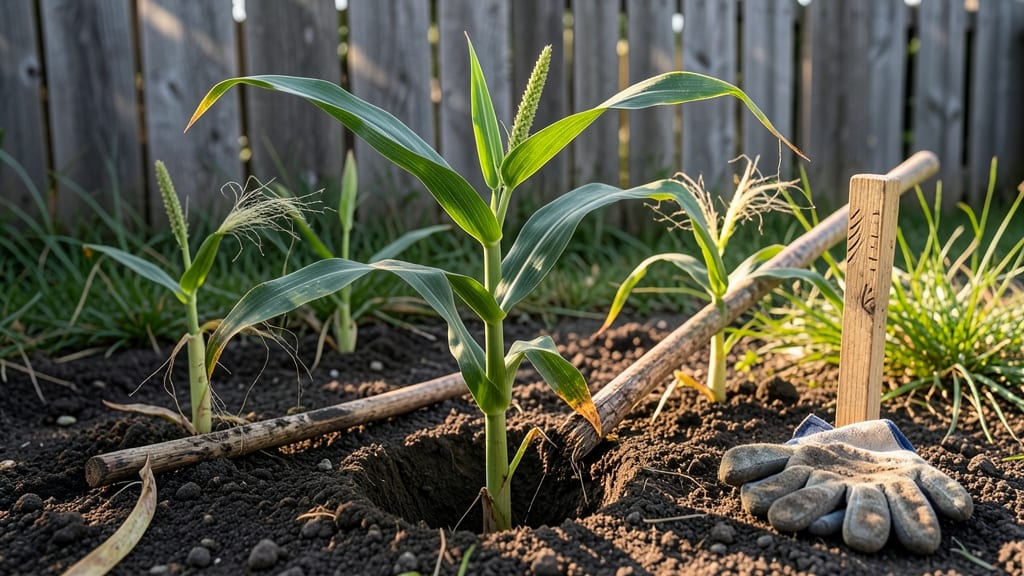
Optimal soil temperature ranges for planting corn in East Texas regions
East Texas spans USDA Zones 7b-8a, where soil warms unevenly across regions like the Piney Woods, Deep East Texas, and Cross Timbers. The key to success?
Planting corn only when soil temperatures consistently hit 50°F–60°F—cold soil delays germination, while waiting too long risks summer heat stress. I’ve tested this in my Tyler garden for years, and the difference between a 55°F and 65°F start is night-and-day for ear development.
In the Piney Woods (e.g., Lufkin, Jasper), where blackland prairie soils retain moisture longer, aim for mid-April plantings. The Cross Timbers (e.g., Waco edge, Athens) warms faster—try late March to early April.
Deep East Texas (e.g., Longview, Marshall) sits in between, but sandy soils dry out quicker, so monitor closely. Pro tip: Use a soil thermometer ($10 at garden centers) to avoid guessing.
Here’s the critical rule: Never plant corn before the average last frost date (March 15 in most of East Texas), but wait until soil temps are stable. Cold snaps after planting can kill seedlings overnight.
I once lost a Silver Queen patch in April because a 38°F dip hit two weeks post-sowing—learned that the hard way!
Microclimates matter too. Low-lying areas stay cooler longer, while south-facing slopes warm 2–3 days faster. If your garden has shaded spots, prioritize planting there first. And watch for blackland prairie soils—they hold warmth longer but can compact easily, slowing root growth.
Amend with compost or aged manure before planting to improve aeration.
For direct-seeded corn (most common in East Texas), soil temps of 60°F+ trigger germination in 7–10 days. If you’re using transplants (less common but useful for late starts), wait until 65°F+ to minimize transplant shock.
My neighbor in Marshall swore by transplants last summer, but his Pioneer 39N04 struggled until the soil hit 70°F—a lesson in patience!
| East Texas Region | Ideal Planting Window | Soil Temp Trigger (°F) | Key Microclimate Note |
|---|---|---|---|
| Piney Woods (Lufkin, Jasper) | Mid-April to early May | 50°F–55°F (moisture-retaining soils) | Blackland prairie soils stay cool longer; amend with compost. |
| Deep East Texas (Longview, Marshall) | Late March to mid-April | 55°F–60°F (sandy loam common) | Sandy soils dry fast; mulch heavily after planting. |
| Cross Timbers (Athens, Waco edge) | Late March to early April | 60°F+ (warmer microclimates) | South-facing slopes warm 2–3 days faster; monitor daily. |
If you’re planting field corn (like Pioneer 39N04) for animal feed or silage, push the window 1–2 weeks earlier—these varieties tolerate slightly cooler soils. But sweet corn (e.g., Silver Queen) demands 60°F+ for optimal sugar development.
I once grew Bodacious at 58°F and ended up with starchy, mealy kernels—a costly mistake!
East Texas humidity adds another layer. Corn planted too early in high-moisture soils risks fungal diseases like smut or leaf blight. To mitigate this, space rows 3 feet apart for airflow and avoid overhead watering.
My Deep East Texas garden thrives with drip irrigation on a timer—no wasted water, no fungal headaches.
For successful germination, aim for 1 inch deep and 4–6 inches apart in rows. Use biodegradable seed starter pellets if your soil is slow to warm. I’ve seen 30% faster sprouting in amended beds versus bare clay.
And if you’re in Zone 8a (e.g., Beaumont, Orange), you can squeeze in a second planting by late June for a fall harvest—just watch for earworm pressure in August.
Finally, track your local soil temperature trends using free tools like the Texas A&M AgriLife Extension’s Planting Date Calculator. Last year, my early April planting in Tyler failed due to a 5-day cold snap—but the calculator had flagged it as a high-risk window.
Now I cross-check with my soil thermometer before committing.
Corn variety planting windows: sweet vs. field corn in humid East Texas climates
Choosing the right corn variety and planting it at the perfect time is critical in East Texas' humid climate. Sweet corn like 'Silver Queen' matures quickly (60-70 days), while field corn varieties such as 'Pioneer 39N04' take longer (90+ days).
The difference in timing can mean avoiding smut disease or ensuring a continuous harvest.
For sweet corn, I recommend starting seeds indoors in late March or direct-sowing after the last frost date (typically mid-April). Field corn, however, benefits from a later start—wait until early May when soil temperatures consistently reach 60°F or higher.
This delay helps field corn outpace fungal pressures common in East Texas' damp springs.
Here’s the key difference: Sweet corn thrives with staggered plantings every 2 weeks for a continuous harvest, while field corn does best with a single, well-timed planting. Staggering sweet corn also reduces pest pressure, as armyworms can’t devour an entire crop at once.
🌽 Key Takeaways for East Texas Corn Planting
- Sweet Corn: Plant mid-April to early May (60-70 days to harvest).
- Field Corn: Plant early May (90+ days to harvest).
- Stagger plantings: Every 2 weeks for sweet corn to extend harvest.
- Avoid humidity risks: Field corn needs warmer soil to resist smut disease.
📅 Pro Tip: Use a soil thermometer to confirm 60°F+ before planting!
If you’re using starter plants, transplant them after soil warms to 55°F and air temperatures stay above 65°F. This is especially important in the Piney Woods region, where cooler microclimates can delay warming.
For direct-seeding, drop kernels 1 inch deep and 4-6 inches apart in rows spaced 3 feet apart.
East Texas’ long growing season (210 frost-free days) lets you experiment with fall plantings too. Try late-summer sowings for a fall harvest, but be prepared to protect young plants from early frosts with row covers. This works best for early-maturing sweet corn varieties like 'Peaches and Cream'.
Don’t overlook pest timing—armyworms and corn earworms thrive in East Texas’ heat. Planting at the right time lets you stay ahead: early sweet corn often escapes the worst infestations, while field corn planted in May avoids early-season pests.
Monitor plants closely and use neem oil or Bt sprays if needed.