
Plants
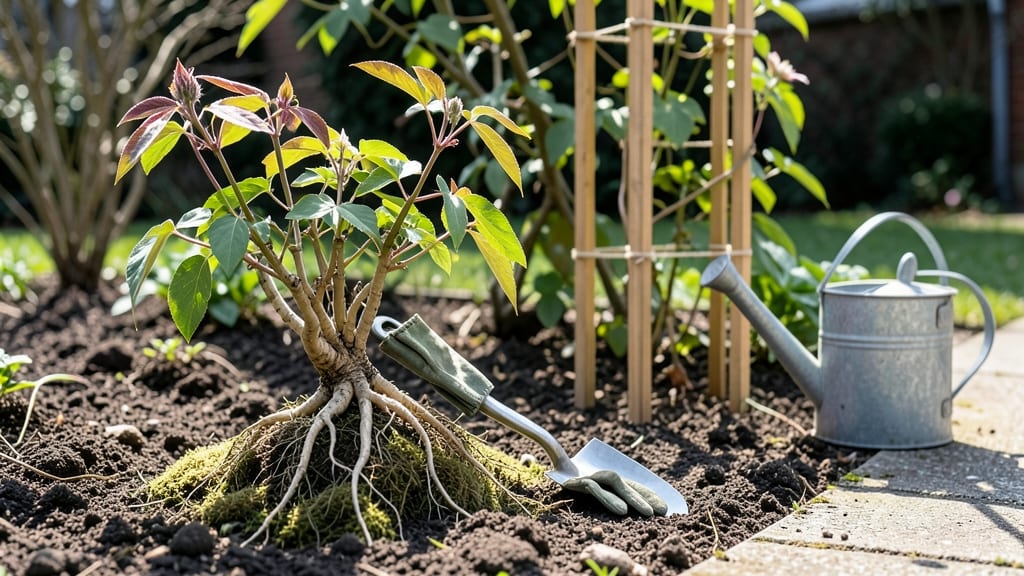
Timing your clematis planting in Indiana can make the difference between a vibrant, healthy vine and one that struggles to take hold.
The perfect window for Zone 5b/6b isn't just about the calendar—it's about avoiding early frosts that can damage tender roots while giving your 🌸 clematis enough time to establish before winter.
Most Indiana gardeners swear by early spring planting, but fall can actually work better in some cases. I’ll break down the exact deadlines for both seasons, including soil temperature tips and how to adjust for microclimates in cities like Indianapolis or Fort Wayne.
Spoiler: Getting the soil just right is half the battle—and I’ll show you how.
If you’ve ever planted clematis only to watch it wither or fail to bloom, you’re not alone. The key lies in understanding when the ground is workable, how deep to bury the crown, and whether your yard’s humidity or pests could throw off your plans.
Let’s dive into the step-by-step guide that’ll have your clematis thriving by next summer.
Whether you’re a first-time gardener or a seasoned pro, these insights will help you skip the trial-and-error phase. You’ll learn how to read your soil, choose the best planting method (ground or container), and even troubleshoot common Indiana-specific challenges. Ready to get started?
Optimal planting windows for clematis in Indiana’s Zone 5b/6a
Indiana’s Zone 5b/6a climate demands precision when planting clematis—a window that balances soil warmth and frost risk. The ideal timeframe spans early spring (March-April) and early fall (September-October), when soil temperatures hover between 40-50°F.
This range ensures roots establish before extreme cold or heat stress. For central Indiana regions like Indianapolis or Bloomington, aim for after the last frost date (April 15) or 6-8 weeks before first frost (mid-October).
Spring planting offers a longer growing season for root development, while fall planting reduces transplant shock by letting roots settle before winter. Both windows work, but fall planting is often preferred in Indiana due to our humid summers, which can stress young plants.
The key is soil readiness—cool enough to avoid heat stress but warm enough to support root growth.
Here’s the month-by-month breakdown for Indiana gardeners, including soil temperature thresholds and frost risk:
| Season | Month | Soil Temp (°F) | Frost Risk | Ideal Planting Time |
|---|---|---|---|---|
| Spring | March | 40-45°F | High (last frost: April 15) | Late March (if soil is workable) |
| April | 45-50°F | Low (post-last frost) | Best window: After April 15 | |
| Fall | September | 50-55°F | Low (first frost: Oct 15) | Early September (6-8 weeks before frost) |
| October | 45-50°F | High (frost risk increases) | Early October (before soil cools below 40°F) |
For northern Indiana (Zone 5b), like Fort Wayne, err on the later side—wait until mid-April for spring or early September for fall—to avoid late spring frosts.
In southern Indiana (Zone 6a), such as Evansville, you can plant 2 weeks earlier due to milder winters. Always check your local USDA frost calendar for precise dates.
If you miss the ideal window, don’t panic! Clematis is perennial, so a late spring planting (May) can still work if you use a cold frame or row cover to protect young plants.
However, fall plantings after October 1 risk winter heave—when roots freeze and thaw, damaging the crown. To mitigate this, mulch heavily (4-6 inches) with straw or shredded leaves.
Pro tip: Soak container-grown clematis for 15-20 minutes before planting to reduce transplant shock. In Indiana’s clay-heavy soils, amend planting holes with compost or peat moss to improve drainage—a critical factor for root rot prevention.
Always plant the crown 4-6 inches deep; deeper planting encourages stronger root growth.
Monitor your clematis closely after planting. Wilting leaves may signal underwatering, while yellowing foliage could indicate overwatering or poor drainage. In Indiana’s humid summers, mulch helps retain moisture while preventing soil-borne diseases. Aim for 1-1.5 inches of water weekly, adjusting for rainfall.
Remember, patience is key—clematis may take 1-2 years to reach full bloom. But with the right Indiana-specific timing, your vine will reward you with stunning flowers for decades. Start with the optimal windows above, and your clematis will thrive in Hoosier gardens.
Optimal planting windows for clematis in Indiana’s Zone 5b/6a
Indiana’s Zone 5b/6a climate means clematis thrive when planted during two distinct windows: early spring and early fall. These periods align with soil temperatures between 40-50°F, ideal for root establishment before summer heat or winter dormancy.
For most of Indiana, this translates to March-April for spring and September-October for fall.
Timing is critical because clematis roots are sensitive to both late frosts (common until April 15 in Indianapolis) and early freezes (possible by October 15). Planting too early risks frost damage, while late planting may leave your vine struggling to establish before winter.
Let’s break down the exact deadlines for Indiana’s major regions.
| Region | Spring Window | Fall Window | Soil Temp Threshold |
|---|---|---|---|
| Northern Indiana (Fort Wayne) | April 1-15 | September 15-October 1 | 40-45°F |
| Central Indiana (Indianapolis) | March 20-April 10 | September 20-October 5 | 45-50°F |
| Southern Indiana (Bloomington) | March 15-April 5 | September 25-October 10 | 48-50°F |
*Adjust dates 1-2 weeks earlier for microclimates with earlier last frosts (e.g., urban heat islands).
For spring planting, aim to get clematis in the ground 2-3 weeks before your last frost date. This gives roots time to establish before summer heat arrives. In northern Indiana, this often means waiting until early April, while southern Indiana gardeners can plant as early as mid-March.
Always check a local frost calendar—Indiana’s microclimates vary wildly even within short distances.
Fall planting offers a second chance, but act quickly. Clematis need 4-6 weeks to establish roots before winter dormancy. In central Indiana, this means planting by October 1 at the latest.
If you miss this window, consider using a cold frame or row cover to extend the season. Fall-planted clematis often perform better because they establish roots without competing with summer heat.
Pro tip: Test your soil temperature with a soil thermometer—50°F is the sweet spot for planting. If temperatures are still below this, wait. Overly warm soil can stress young roots, setting your clematis up for poor growth.
Pair this with well-draining soil (amend with compost if needed) to prevent waterlogged roots, a common issue in Indiana’s heavy clay soils.
Remember, container-grown clematis can be planted slightly later than bare-root varieties, as their roots are already established. However, even these benefit from early planting. If you’re in Zone 6a (like southern Indiana), you have a 2-week buffer compared to Zone 5b areas.
Use this to your advantage by planting early and giving your clematis a head start.