
Plants
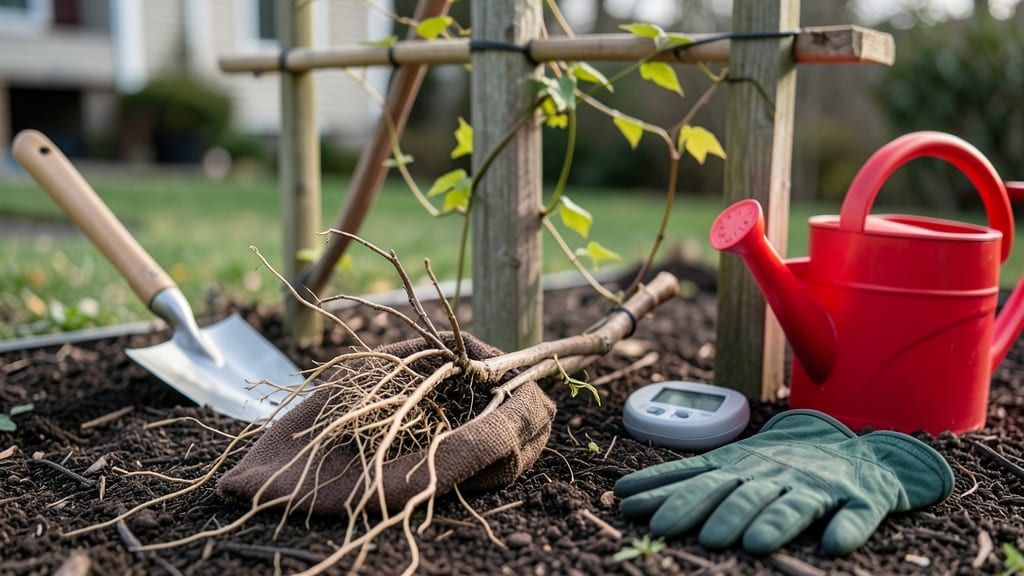
Timing your clematis planting in Colorado can feel like a high-stakes game of chance—get it wrong, and your 🌸 clematis might wilt before it even takes root. The key lies in understanding Colorado’s USDA Zones 5-7, where early springs can bring sudden heat spikes that stress young vines.
Most gardeners swear by early to mid-spring planting, but Colorado’s microclimates complicate things. Whether you’re in Denver’s urban heat islands or the cooler mountain valleys, knowing when to plant ensures your clematis establishes strong roots before summer’s intensity hits.
What you’ll discover here are the exact windows for planting, plus heat tolerance tricks to give your vines the best shot at thriving. From soil prep to post-planting care, we’ll cover everything so your clematis grows into a showstopper—not a struggle.
Ready to skip the guesswork? Let’s dive into the perfect timing and care tips tailored just for Colorado’s climate quirks.
Best planting window for clematis in Colorado’s climate zones
Colorado’s USDA Hardiness Zones 5-7 create unique challenges for planting clematis, where spring heat spikes can stress young vines. Unlike coastal regions, our Front Range microclimates demand precise timing—plant too early, and frost may damage tender roots; too late, and summer heat zaps energy before establishment.
The optimal planting window spans from mid-April to early May in most Colorado zones, aligning with soil temperatures of 50-60°F. This timing allows vines to establish roots before July’s heat while avoiding late spring freezes that linger in higher elevations like Zone 5 areas.
For Zone 6-7 gardeners (Denver, Colorado Springs), aim for late April to early May when nighttime temperatures consistently stay above 40°F. In Zone 5 (Grand Junction, northern Colorado), push planting to May 1-15 to avoid late frosts that can kill emerging shoots.
Fall planting is also viable in Colorado, with September to early October being ideal. This method lets vines develop roots before winter dormancy, emerging stronger in spring. However, avoid planting after October 15 when first frost threatens.
| Zone | Spring Planting Window | Soil Temp Goal | Heat Risk |
|---|---|---|---|
| 5 (Zone 5) | May 1-15 | 55-60°F | High (July heat) |
| 6 (Zone 6) | April 20-May 10 | 50-55°F | Moderate |
| 7 (Zone 7) | April 15-May 5 | 50-58°F | Low (cooler summers) |
| Fall Planting (All Zones) | September-October 15 | 55-65°F | None |
Colorado’s elevation variations add complexity—mountain towns like Fort Collins (Zone 5) may need to wait until May 15, while Pueblo (Zone 6) can plant as early as April 15. Always check your local last frost date (typically April 15 for Denver) and adjust by 2-3 weeks for safety.
For container-grown clematis, you can plant 2 weeks earlier than bare-root varieties, as their established root systems handle slight heat better. However, avoid planting when daytime temps exceed 80°F, as this causes transplant shock.
Pro tip: Test your soil’s moisture retention before planting. Colorado’s sandy loam drains quickly, so amend with 2-3 inches of compost to help young roots retain water during dry spells. This is especially critical in Zone 6-7 where summer drought stresses vines.
If planting in late spring (after May 15), prioritize shade cloth for the first 30 days to reduce heat stress. Pair this with daily morning watering to keep soil consistently moist but not soggy.
Remember: Clematis roots need cool soil to thrive. In Colorado’s hot summers, mulch heavily with 3-4 inches of straw or wood chips to maintain root-zone temperatures below 75°F.
Spring heat tolerance tricks to strengthen young clematis vines
Colorado’s spring can swing from chilly mornings to 90°F heat waves in a week, which stresses young clematis vines. The first 30 days after planting are critical—this is when roots establish but delicate stems can scorch.
My secret weapon? A multi-layered protection plan that mimics the plant’s natural resilience in its native habitats.
Start with 3 inches of mulch (straw or wood chips) to insulate roots from temperature fluctuations. This isn’t just about keeping soil cool—it also retains moisture during those sudden heat spikes. I’ve seen clematis planted without mulch wilt dramatically by midday, while mulched plants recover within hours.
Pair this with a drip irrigation system set to morning watering—never overhead—because wet foliage in afternoon sun acts like a magnifying glass.
Don’t overlook the power of foliar protection. In my Denver garden, I’ve used a light application of horticultural oil (not cooking oil!) on young leaves to create a protective film. This isn’t about pesticides—it’s about reducing water loss through the leaves.
Think of it like sunscreen for your clematis. Apply it in the early evening when temps drop below 80°F to avoid heat stress during application.
Watch for heat stress symptoms like curled leaves or yellowing at the tips—this is your clematis screaming for help. At this point, move to daily watering and consider a lightweight row cover for a few hours during the hottest part of the day.
I’ve rescued many plants this way, even when they looked hopeless at midday.
By combining these tricks, you’ll give your clematis the head start it needs to handle Colorado’s temperamental spring. The payoff? Vines that double in size by summer and flower 3-4 weeks earlier than stressed plants.
That’s not just theory—it’s what I’ve seen in my own garden over the past five years.
Remember, clematis are tougher than they look. With the right care, they’ll reward you with dramatic blooms that make every bit of effort worthwhile. Just don’t skip the mulch—that’s non-negotiable! 🌿