
Plants
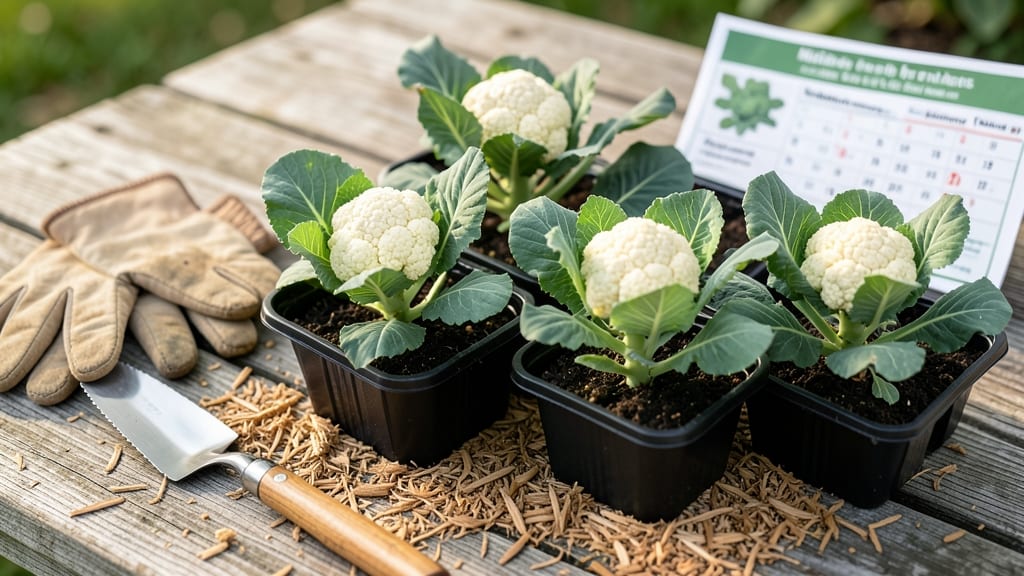
Timing your 🥬 cauliflower planting in Michigan isn’t just about calendar dates—it’s about outsmarting frost, heat, and Michigan’s famously fickle weather. Get those seeds in the ground too early, and a late frost will turn your hard work into a sad, wilted memory.
Plant too late, and summer’s sweltering heat will leave you with bitter, stunted heads instead of the tender, snow-white gems you’re dreaming of.
I’ve spent years growing 🥬 cauliflower in Michigan’s 5b-6b zones, and the key to success? Precision. Whether you’re a first-time gardener or a seasoned green thumb, knowing exactly when to start seeds indoors—and when to direct-sow—can mean the difference between a bountiful harvest and a frustrating flop.
Let me break down the exact windows you need to aim for, plus pro tips to stretch your growing season and protect your plants from Michigan’s worst surprises.
Most gardeners in Michigan focus on two planting windows: early spring and late summer. But here’s the secret: the perfect timing depends on your specific zone, soil temperature, and even which variety you’re growing.
I’ll walk you through the ideal dates for both indoor starts and direct sowing, so you can plan ahead and avoid the common mistakes that leave Michigan gardeners scratching their heads in June.
Ready to grow 🥬 cauliflower that’s as impressive as it is delicious? By the end of this guide, you’ll know not just when to plant, but how to give your crop the best shot at thriving—no matter what Michigan throws your way.
Let’s get those seeds in the ground the right way!
Michigan’s best cauliflower planting dates by hardiness Zone (5-6)
Michigan’s USDA Zones 5b-6b offer two prime windows for growing cauliflower: early spring and late summer. Timing is critical—plant too soon, and frost will kill seedlings; too late, and summer heat causes bolting (premature flowering). Let’s break down the exact dates for each zone and season.
For Zone 5b (northern Michigan, like Traverse City), aim for March 15–April 15 for spring planting and July 15–August 15 for fall. In Zone 6b (southern Michigan, like Ann Arbor), you can start slightly earlier: March 1–April 1 in spring and July 1–August 10 for fall.
These windows account for Michigan’s last frost dates (typically mid-April in the north, late March in the south) and first frost dates (mid-October). Cauliflower needs 70–100 days to mature, so adjust planting to avoid summer’s 90°F+ heat, which stresses plants.
Here’s how to align your planting with Michigan’s climate for maximum success:
| Zone & Season | Planting Window | Key Considerations | Harvest Window |
|---|---|---|---|
| Zone 5b (Spring) | March 15–April 15 | Start indoors 4–6 weeks before last frost; harden off seedlings before transplanting. | June 15–July 15 |
| Zone 5b (Fall) | July 15–August 15 | Choose heat-tolerant varieties like ‘Snowball Y Improved’; use shade cloth if temps exceed 85°F. | September 15–October 10 |
| Zone 6b (Spring) | March 1–April 1 | Soil should reach 40°F+; mulch to retain warmth after transplanting. | May 30–June 30 |
| Zone 6b (Fall) | July 1–August 10 | Plant 100–130 days before first frost; use row covers for early protection. | September 1–October 5 |
For Zone 5b, spring planting is riskier due to late frosts, so prioritize fall harvests if possible. In Zone 6b, you can squeeze in two harvests with careful timing—spring for early eaters and fall for storage-friendly heads.
Always check your local Michigan State University Extension frost dates for precision.
Pro tip: Use black plastic mulch in spring to warm soil faster, or straw mulch in fall to insulate roots. This extends your planting windows by 1–2 weeks in either direction. For example, in Zone 6b, you might safely plant February 20 with mulch and row covers.
If you’re growing cauliflower indoors first, start seeds 6–8 weeks before outdoor transplanting. Use grow lights or a sunny windowsill (south-facing) to avoid leggy seedlings. Harden off seedlings for 7–10 days before moving them outside to match Michigan’s soil temperatures (ideal: 50–60°F).
For direct sowing (skipping the indoor phase), wait until soil is 40°F+ and use seedling trays with biodegradable pots to transplant easily. Direct-sown cauliflower takes 2–3 weeks longer to mature but avoids transplant shock.
Remember: Michigan’s humidity and variable rainfall can stress cauliflower. Pair your planting schedule with consistent watering (1–2 inches per week) and weekly fertilization (5-10-10 NPK) to keep plants thriving through their 70–100-day growth cycle.
How to adjust planting dates for Michigan’s unpredictable weather patterns
Michigan’s weather is famously unpredictable—one day frost, the next a heatwave. To protect your cauliflower crop, flexibility is key. Adjusting planting dates based on soil temperature, frost forecasts, and heat tolerance ensures success.
Start seeds indoors 4-6 weeks before the last frost date, but be ready to move seedlings outdoors only when nighttime temperatures stay above 50°F (10°C).
For fall harvests, plant seeds outdoors 100-130 days before the first frost. Use a planting calendar to track frost dates, but always have a backup plan. Row covers or cold frames can extend your growing season by 2-4 weeks in both spring and fall.
This extra protection lets you plant earlier or later than the ideal window without risking frost damage.
🌱 5 Pro Tips for Adjusting Planting Dates in Michigan
- Use frost-free date guides: Check Almanac frost dates but plant 2 weeks earlier for safety.
- Monitor soil temperature: Cauliflower needs 45°F (7°C) soil to germinate—wait for warmth.
- Start a second crop: Plant late July for fall harvests to avoid summer heat stress.
- Extend with row covers: Protect seedlings with floating row covers to plant 3 weeks earlier.
- Choose heat-tolerant varieties: Opt for ‘Snowball Y Improved’ or ‘Purple of Sicily’ for summer planting.
If late frosts threaten, move seedlings under cloche covers or indoors temporarily. Cauliflower is sensitive to temperature swings, so avoid planting during unpredictable weather. For container gardening, use larger pots (12+ inches) to stabilize soil temperature and move containers to shaded areas during heatwaves.
For northern Michigan (Zone 5b), prioritize early spring planting and fall crops—summer heat is too intense. In southern Michigan (Zone 6b), you can attempt a summer crop but focus on shade cloth and even watering to prevent bolting.
Always keep a planting journal to track what works best in your microclimate.
⚠️ Warning: Common Mistakes to Avoid
- Planting too early without protection—frost kills seedlings in Zone 5.
- Skipping soil prep—amend with compost for better heat tolerance.
- Ignoring heat stress—cauliflower bolts in 80°F+ (27°C+) temperatures.
Finally, succession planting is your best friend. Stagger plantings every 2 weeks in spring and 3 weeks in fall to ensure a continuous harvest. This strategy compensates for Michigan’s variable growing conditions and maximizes your yield.
With these adjustments, you’ll enjoy homegrown cauliflower from spring to fall, regardless of Mother Nature’s mood swings 🌱.