
Plants
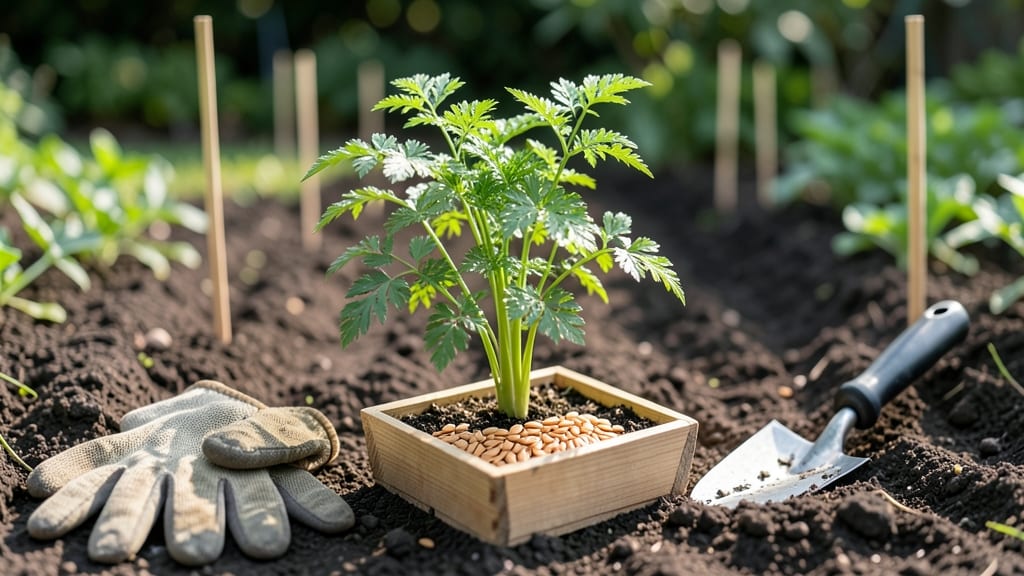
Michigan carrot planting calendar: exact frost-free deadlines by variety
Michigan’s cool, short growing season demands precise timing for carrot seeds—especially since varieties like 'Danvers Half Long' and 'Nantes' have different needs. The Upper Peninsula (Zone 5b) has a shorter window than the Lower Peninsula (Zone 6a/b), so adjust your planting dates accordingly.
Soil temperature is critical: seeds need 45–55°F to germinate, which typically aligns with mid-April to early May in most regions.
For spring plantings, aim to sow seeds 2–3 weeks before your last frost date. In Michigan, that’s usually April 15–May 1 for the Lower Peninsula and May 1–15 for the Upper Peninsula.
Fall plantings should happen 8–10 weeks before the first frost (typically August 1–15), giving roots time to mature before winter sets in.
Here’s the key: Long-day varieties (like 'Danvers') thrive in Michigan’s summer, while short-day varieties (like 'Nantes') bolt faster in heat. Adjust your planting schedule to avoid woody, bitter roots—a common mistake in Michigan’s variable climate.
🌱
| Variety | Planting Window | Soil Temp Requirement | Days to Maturity | Best For |
|---|---|---|---|---|
| Danvers Half Long | April 15–May 1 (spring) / Aug 1–15 (fall) | 45–55°F | 60–70 days | Storage, long roots |
| Nantes | May 1–15 (spring) / Aug 15–30 (fall) | 50–60°F | 50–60 days | Early harvests, tender roots |
| Chantenay | April 20–May 10 (spring) / Aug 5–20 (fall) | 50–60°F | 65–75 days | Short, stout roots |
| Paris Market | May 15–June 1 (spring) / Aug 20–Sept 1 (fall) | 55–65°F | 40–50 days | Quick harvests, baby carrots |
Note: Adjust dates 1–2 weeks earlier for the Upper Peninsula and later for the Lower Peninsula.
For Upper Peninsula gardeners, prioritize early-maturing varieties like 'Paris Market' to beat the short season. In the Lower Peninsula, you can afford slightly later plantings for 'Danvers' or 'Chantenay', which handle Michigan’s hot July summers better than delicate 'Nantes' types.
Always check your local frost dates—tools like the Michigan State University Garden Hotline provide region-specific updates.
Pro tip: Direct-sow seeds in Michigan—carrots hate transplanting. Use a seed tape or scatter seeds thinly to avoid overcrowding, which leads to forked roots. Space rows 12–18 inches apart for easy harvesting and airflow, reducing the risk of leaf blight in Michigan’s humid summers.
If you’re in Zone 5b (Upper Peninsula), consider starting seeds indoors 4–6 weeks before the last frost for a head start. However, harden off seedlings carefully—Michigan’s cold snaps can shock tender plants.
For fall plantings, aim to harvest before first frost (usually mid-October), or use row covers to extend the season.
🌿
One common mistake Michigan gardeners make is planting too late in spring, leading to bolting (premature flowering). To avoid this, s
How to extend Michigan’s carrot growing season with successive plantings
Michigan’s short growing season doesn’t mean you’re limited to one carrot harvest. With successive plantings, you can enjoy fresh carrots from spring through fall—even into winter with protection. The key is spacing out sowings every 3-4 weeks to ensure a steady supply before frost.
Start your first planting as soon as the soil reaches 50°F (usually late March to early April in southern Michigan, April to early May in the north). This early batch will mature by June or July, leaving room for 2-3 more rounds before winter sets in.
🌱 Did You Know? Some gardeners in Michigan’s USDA Zone 5b-6b even grow winter carrots by planting in late summer (August) and using row covers to extend harvests into November or December.
📅 Successive Planting Timeline for Michigan
- 🌱 First Planting: Late March–Early April (soil at 50°F)
- 🌿 Second Planting: Mid-April–Early May (3–4 weeks after first)
- 🌳 Third Planting: Late May–Early June (for summer harvest)
- 🍂 Fourth Planting: Late July–Early August (for fall/winter harvest)
💡 Pro Tip: Use short-day varieties (like 'Nantes') for fall plantings—they mature faster in cooler weather.
For fall and winter harvests, focus on cold-hardy varieties like 'Chantenay' or 'Danvers Half Long'. These can withstand light frosts and even 20°F temperatures when protected. Use row covers or straw mulch to shield roots from freezing.
Timing your last planting is critical—aim to harvest before hard frosts (usually mid-October in southern Michigan, early October in the north). If you’re ambitious, try overwintering with thick mulch or a cold frame for spring harvests the following year.
Remember: Thin seedlings properly (2–3 inches apart) to avoid overcrowding, which leads to forked or stunted roots. With these strategies, you’ll enjoy homegrown carrots for nearly half the year—no grocery store needed!