
Plants
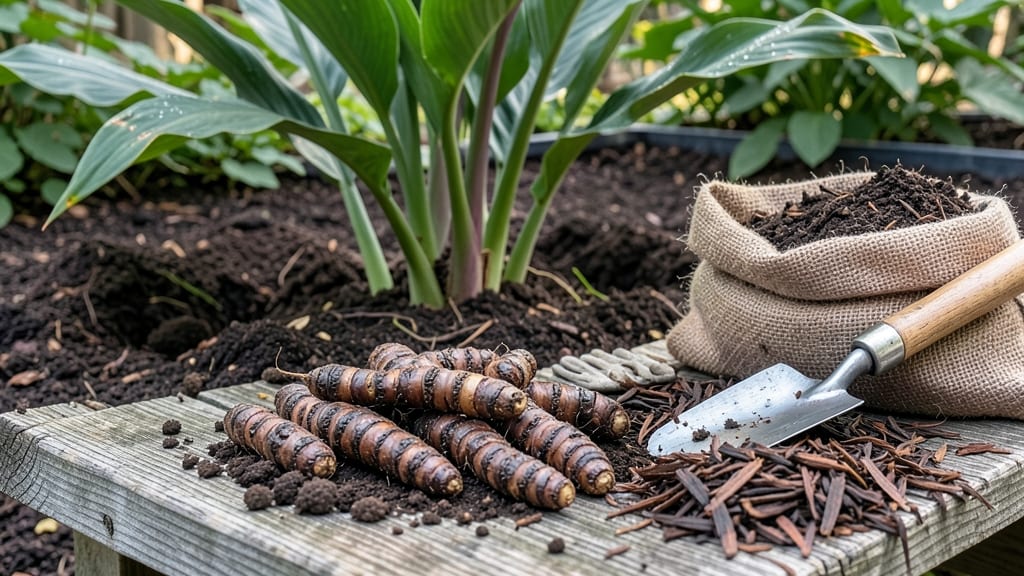
Ontario’s frost-free dates for planting canna lilies (by region)
Timing your canna lily planting in Ontario depends heavily on your USDA zone and last frost dates. These tropical beauties (🌺) thrive after soil temperatures hit 60°F (15°C), which typically aligns with mid-May to early June.
But don’t just rely on the calendar—late frosts can still sneak up, especially in Northern Ontario.
Southern Ontario regions like Niagara and London usually see their last frost around May 10-15, while Toronto and Ottawa hover closer to May 15-20. Northern areas like Sudbury or Thunder Bay can wait until late May or even early June.
Always check Environment Canada’s frost forecast for your specific area.
Here’s a quick regional breakdown to help you plan:
If you’re in a higher-risk zone like Ottawa or Northern Ontario, consider starting canna lilies indoors 4-6 weeks before your last frost date. Use grow lights to simulate full sun conditions, then transplant outdoors once the soil warms up.
This gives your plants a head start and reduces the chance of frost damage.
Another pro tip: Warm the soil faster by covering garden beds with black plastic mulch a few weeks before planting. This raises soil temperatures by 5-10°F, creating a safer environment for your tropical rhizomes. Just remove the mulch once planting day arrives to avoid overheating.
For gardeners in Southern Ontario, don’t wait until the last possible moment. Planting canna lilies in early May (even if frost is possible) gives them enough time to establish roots before summer heat arrives.
Their bold foliage and vibrant blooms will reward your patience with a stunning display from July through September.
Always monitor local weather forecasts and consider using a soil thermometer to confirm temperatures. A quick check in the morning can save your plants from a late frost surprise.
Once your canna lilies are in the ground, they’ll thrive in full sun and well-drained soil, making them a low-maintenance star for Ontario gardens.
🌱
Signs it’s Finally Safe to Plant Canna Lilies (Beyond Calendar Dates)
Relying on calendar dates alone can be risky for Ontario gardeners—late frosts in May or unpredictable weather can still threaten tender canna lilies. Instead, watch for these field-ready indicators to confirm your soil and air temperatures are safe for planting.
First, check your soil temperature with a thermometer—canna lilies thrive when soil reaches at least 60°F (15°C). In Ontario, this typically happens mid-to-late May, but northern regions may need to wait until early June.
A simple soil thermometer (available at garden centers) takes the guesswork out of timing.
Next, observe native plants like lilacs or peonies—when their leaves fully unfurl and begin growing rapidly, it’s a natural signal that the risk of frost has passed. This usually aligns with Environment Canada’s frost-free alerts, but visual cues are foolproof for gardeners in a hurry.
- 🌡️ Soil temp: 60°F+ (15°C+) – Use a thermometer 2" deep
- 🌿 Native plants (lilacs, peonies) are in full leaf
- ☀️ 3+ consecutive days of warm nights (above 50°F/10°C)
- 🌧️ No frost warnings on Environment Canada’s 7-day forecast
- 🌱 Local nurseries are selling tender perennials (e.g., dahlias, coleus)
Don’t ignore nighttime temperatures—canna lilies are tropical and won’t tolerate cold snaps. Aim for 3+ consecutive nights above 50°F (10°C) before planting. Check Environment Canada’s 7-day forecast for frost alerts, especially in Southern Ontario where late frosts can occur as late as May 20th.
Finally, watch what local nurseries are selling. When they start stocking tender perennials like dahlias or coleus, it’s a green thumbs-up that the frost risk has passed. This is especially useful for Northern Ontario gardeners in zones 5b or colder, where the window for planting is shorter.
Pro tip: If you’re still unsure, start canna lilies indoors in late April using grow lights. This gives you a 2-3 week head start and ensures your plants are large enough to transplant safely once the soil warms.
Just be prepared to harden them off for 7-10 days before moving outdoors.