
Plants
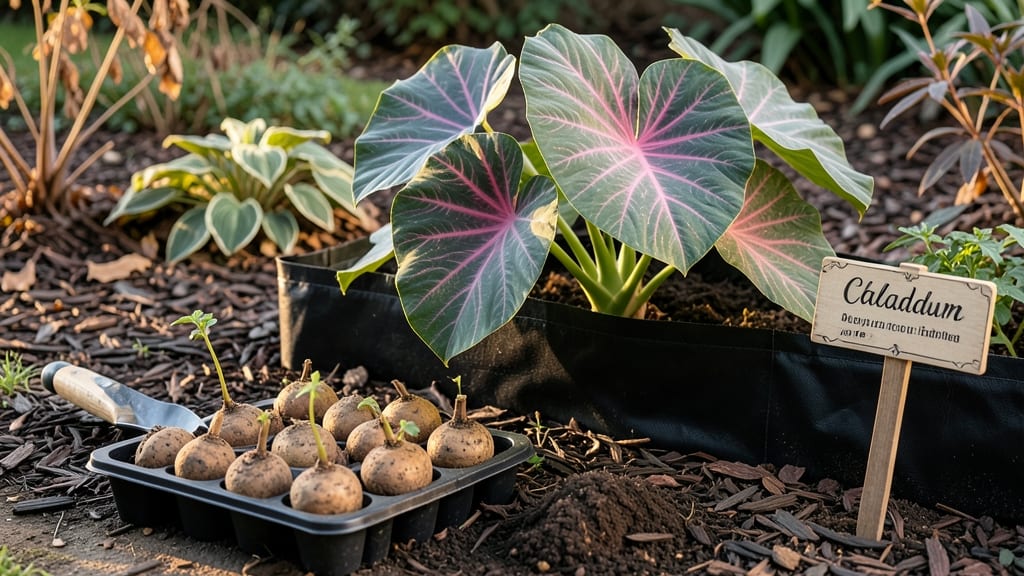
If you’ve ever planted Caladiums in Texas only to watch them wilt before summer even kicks in, you’re not alone. The key to growing these stunning, heat-loving plants lies in timing—specifically, avoiding frost while ensuring tubers establish roots before the scorching heat arrives.
Texas gardeners know 🌱 Caladiums thrive in warmth, but planting them too early can spell disaster. Whether you're in Houston’s humid climate or Dallas’ hotter stretches, the perfect window is narrow—and getting it wrong means missed color and wasted effort.
Let’s break down the exact schedule to ensure your Caladiums flourish all summer long.
Most gardeners assume "spring" means go, but Texas’ regional differences demand precision. North Texas faces cooler nights, while South Texas’ heat arrives earlier. I’ll show you how to align your planting with soil temperatures and local frost risks, so your tubers wake up just as the weather warms up.
Ready to transform your garden into a vibrant display? You’ll learn the three critical factors that separate thriving Caladiums from sad, sunburned leaves—plus how to troubleshoot common mistakes before they happen. Let’s get started.
Texas caladium planting timeline: avoiding frost while maximizing heat tolerance
Texas gardeners know that caladiums thrive in heat but can't handle frost. The key to stunning summer foliage is planting them after the last frost date while ensuring tubers establish roots before extreme summer heat arrives.
In Texas, this means late April to early June for most regions, but timing varies between North and South Texas.
North Texas (USDA Zones 7-8) has cooler springs, so wait until mid-May when soil temperatures consistently stay above 65°F. South Texas (Zones 9-10) can plant as early as late March to April since frost is rare and heat arrives sooner.
Always check your local average last frost date for precision.
Here's the critical rule: Plant when soil is warm but not scorching—ideally between 65°F and 75°F. Use a soil thermometer to verify. Caladium tubers need 4-6 weeks to root before summer's peak heat arrives, so don't rush planting in March for North Texas regions.
Texas' regional differences matter. Houston gardeners can plant 2-3 weeks earlier than Dallas gardeners because Houston's Gulf influence moderates temperatures. In West Texas, delay until early June to avoid sudden heat spikes that stress young tubers.
Another pro tip: Pre-warm tubers by soaking them in lukewarm water for 24 hours before planting. This jumpstarts growth in cooler North Texas springs and helps tubers adapt faster to Texas' intense summer sun.
🌱
| Texas Region | USDA Zone | Ideal Planting Window | Soil Temp Threshold | Key Consideration |
|---|---|---|---|---|
| North Texas | 7-8 | Mid-May to early June | 65°F+ consistently | Wait for last frost + soil warmth |
| Central Texas | 8a-8b | Late April to mid-May | 60°F+ minimum | Balance between frost risk and heat |
| East Texas | 8a-9a | Late March to April | 55°F+ | Gulf influence allows earlier planting |
| South Texas | 9-10 | Late March to early April | 60°F+ | Frost-free year-round in Zone 10 |
| West Texas | 8a-8b | Early June | 70°F+ minimum | Extreme heat arrives suddenly |
Once you've nailed the planting window, focus on mulching to retain soil moisture and regulate temperature. Use 2-3 inches of organic mulch like shredded bark or straw to protect tubers from Texas' intense afternoon sun and prevent soil from drying out too quickly.
For container gardeners, plant caladiums in well-draining pots with moisture-retentive soil and move them to shaded areas during peak afternoon heat (2 PM - 5 PM). This mimics the partial shade they prefer in Texas' harshest summer months.
Remember: Caladiums are heat-lovers, but they need time to acclimate. The earlier you plant within your region's window, the more time they have to establish roots before summer's 100°F+ temperatures arrive. This means bigger, healthier foliage by July!
🌿
Pro tip: Mark your calendar for late August—this is when you'll need to dig up and store tubers before Texas' first frost (or before temperatures drop below 50°F). Proper storage ensures your caladiums return even more vibrant next season.
Texas caladium planting timeline: avoiding frost while maximizing heat tolerance
Timing is everything when planting Caladiums in Texas. Unlike cooler climates, Texas’ heat arrives early, but frost can linger in North Texas until mid-April. The goal? Plant tubers when soil temps hit 65°F+—warm enough to wake them up but cool enough to prevent heat stress.
For South Texas, this means starting as early as mid-March, while North Texas gardeners should wait until late April.
Miss this window, and you risk two major problems: frost damage to tender tubers or heat shock from planting too early. I’ve seen gardeners in Dallas lose entire batches by rushing—don’t make that mistake.
The key is aligning your planting with local frost dates and soil warmth, not just the calendar.
Here’s how to translate this into action: Use a soil thermometer to confirm temps before planting. In Houston, aim for early April; in San Antonio, late March works. For North Texas (Amarillo, Lubbock), wait until after May 1 to guarantee frost-free growth. This precision makes all the difference.
| Texas Region | Ideal Planting Window | Soil Temp Threshold | Key Risk to Avoid |
|---|---|---|---|
| South Texas (Houston, San Antonio) | Mid-March to early April | 65°F+ | Late frost (rare but possible) |
| Central Texas (Austin, Waco) | Late March to mid-April | 65°F+ | Cool night temps (below 50°F) |
| North Texas (Dallas, Fort Worth) | Late April to early May | 65°F+ | Frost (last average date: April 15) |
| West Texas (Lubbock, Amarillo) | After May 1 | 70°F+ | Extreme heat stress (plant too early) |
Once you’ve nailed the timing, focus on tuber preparation. Soak tubers in lukewarm water for 24 hours before planting to jumpstart growth. This is especially critical in dry West Texas, where tubers can dry out faster.
Pair this with a mulch layer (2-3 inches of straw) to retain moisture and regulate soil temps.
After planting, monitor for heat stress signs like yellowing leaves or wilting. If temps exceed 95°F for days, provide afternoon shade with lightweight shade cloth.
I’ve found that varieties like ‘White Queen’ tolerate heat better than ‘Candidum’, which needs extra shade. Adjust care based on your specific variety and microclimate.
Pro tip: Mark your calendar for September 1—this is when you’ll start digging up tubers in most of Texas. In South Texas, you can extend this to early October, but North Texas tubers need to come out before the first frost, usually by mid-October.
Proper timing here ensures healthy tubers for next year’s planting.