
Companion Plants
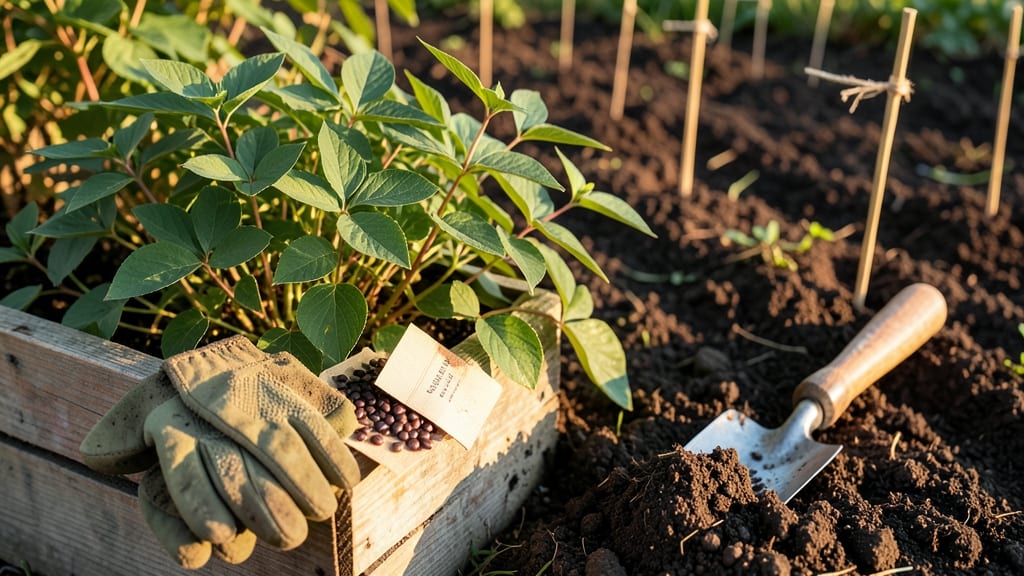
Timing your buckwheat planting in Pennsylvania isn’t just about luck—it’s the difference between a fast-growing, weed-choking cover crop and a patchy disappointment. With USDA zones 5-7 and unpredictable spring weather, knowing the exact weeks before your last frost could save you from wasted effort or stunted growth.
Buckwheat 🌾 thrives when planted after soil temperatures hit 60°F, typically between late May and early June in most of PA. But here’s the catch: planting too early risks frost damage, while waiting too long cuts your harvest window short.
The key is balancing those frost dates with buckwheat’s 30-50 day growth cycle to maximize its benefits.
Whether you’re aiming for summer cover or fall soil prep, this guide breaks down the precise windows for your region—plus soil prep secrets to give your buckwheat the best start. No more guessing: just proven strategies for faster results and healthier soil.
Ready to transform your garden’s productivity? Let’s dive into the exact planting schedule that works for PA’s climate, so you can enjoy buckwheat’s rapid growth without the trial and error.
Best planting windows for buckwheat in Pennsylvania by region
Pennsylvania’s diverse climate means your buckwheat planting window varies by region—from the warmer Southeast to the cooler Northwest. Since buckwheat thrives in warm soil (50°F+) and short growing seasons (30–45 days), timing is critical.
Plant too early, and you risk frost damage; too late, and your yield suffers. Here’s how to pinpoint your exact window.
For spring planting, aim for 2–4 weeks after your last frost date, when soil temps consistently stay above 60°F.
In PA, this typically falls between late April and early June, depending on your zone. Fall planting is trickier—buckwheat needs at least 6 weeks of warm weather before the first frost, so late summer (August) is your last chance in most areas.
I’ve broken down the optimal planting windows for PA’s three key regions, using USDA Zones 5–7 and Penn State Extension frost data. These ranges account for microclimates (e.g., valleys vs. mountaintops) and soil warming trends.
Buckwheat Planting Windows by PA Region
| Region | USDA Zone | Spring Planting Window | Fall Planting Window | Soil Temp Threshold |
|---|---|---|---|---|
| Southeast (e.g., Philadelphia, Pittsburgh) | Zone 6-7 | Late April – Mid-May | Late July – Early August | 60°F+ |
| Central (e.g., Harrisburg, State College) | Zone 6 | Early May – Early June | Mid-August – Late August | 55°F+ |
| Northwest (e.g., Erie, Scranton) | Zone 5-6 | Mid-May – Late May | Early August – Mid-August | 60°F+ |
*Adjust for elevation: Add 1–2 weeks later for areas above 1,500 ft.
If you’re in Zone 6 or 7 (Southeast PA), you can push the envelope with fall planting—even as late as early August—because the growing season extends longer.
But in Zone 5 (Northwest PA), stick to mid-May for spring to avoid early frosts. Pro tip: Use a soil thermometer to confirm temps hit 50°F+ before planting.
Buckwheat’s fast growth cycle (30–45 days) means you can even squeeze in a second planting in late summer for a fall harvest. Just ensure your plants have 6+ weeks of warm weather ahead.
For example, in Philadelphia (Zone 7), a July 15 planting could yield seeds by early September.
One common mistake I see is planting too early in cooler zones, thinking “earlier is better.” But cold soil slows germination, and seedlings may rot.
Wait until the soil is warm enough—even if that means delaying by a week or two. Patience pays off with thicker, healthier stands.
For organic gardeners, buckwheat’s nitrogen-fixing roots make it a powerhouse cover crop. Plant it after early spring veggies (like peas or lettuce) to replenish soil before summer squash or beans. Its shallow roots also suppress weeds, saving you hours of hand-pulling.
In my Central PA garden (Zone 6), I’ve found that late May plantings yield the most biomass and seed. I’ll often interplant buckwheat with fast-maturing greens like baby spinach to maximize space. The buckwheat shades out weeds while the spinach matures early.
Remember: Buckwheat bolts quickly when days shorten, so avoid planting after mid-August unless you’re in the southernmost parts of PA. If you miss the window, consider overwintering cover crops like crimson clover instead.
Finally, if you’re using buckwheat as a green manure, aim for maximum biomass by planting in early June. Till it under before
How to calculate your exact buckwheat planting date using PA’s frost maps
Calculating your exact planting date for buckwheat in Pennsylvania starts with understanding your local frost dates. Since PA spans USDA zones 5-7, frost timings vary—even between neighboring counties.
The key is to plant buckwheat 30–45 days before your first expected frost in fall or 2–4 weeks after your last spring frost when soil temps hit 50°F+.
First, visit the Penn State Extension frost maps (available online) to find your county’s average last frost date. For example, Pittsburgh (Zone 6b) typically sees its last frost around April 20–May 5, while Philadelphia (Zone 7a) averages April 15–April 30.
These dates are your starting point—but don’t stop there!
🌱 Step-by-Step Buckwheat Planting Timeline for PA
- Step 1: Find your last frost date using Penn State Extension maps (or local garden centers).
- Step 2: Subtract 4–6 weeks for fall planting (aim for late August–early September).
- Step 3: For spring, wait until soil temps reach 50°F+ (use a soil thermometer).
- Step 4: Adjust for microclimates (e.g., valleys frost later; hilltops earlier).
- Step 5: Plant after May 15 in most of PA to avoid late frosts.
Microclimates are critical in PA. A south-facing slope might warm up faster than a north-facing valley, allowing you to plant buckwheat 1–2 weeks earlier. Conversely, low-lying areas can experience late spring frosts even after the official last frost date.
To test, place a frost-sensitive plant (like basil) in your garden a week before your target date—if it survives, buckwheat should too!
Buckwheat’s 30–45 day growth cycle means timing is tight. Planting too early risks frost damage before it matures, while planting too late may result in premature bolting (flowering) or lower yields.
For example, if your first frost is October 10, aim to plant by September 1–15 to ensure a full harvest before cold snaps. Use a planting calendar to track progress!
Pro tip: If you’re unsure, opt for late May–early June planting in most of PA. This window aligns with soil warmth and reduced frost risk, giving buckwheat its best shot at thriving.
For fall plantings, late August is ideal in southern PA, while early September works better in the north.
Remember, buckwheat’s fast growth is its superpower—but only if you time it right. With these steps, you’ll avoid the #1 mistake PA gardeners make: planting too early and watching their crop wilt. Now grab your seeds and that soil thermometer—your buckwheat is waiting! 🌾