
Plants
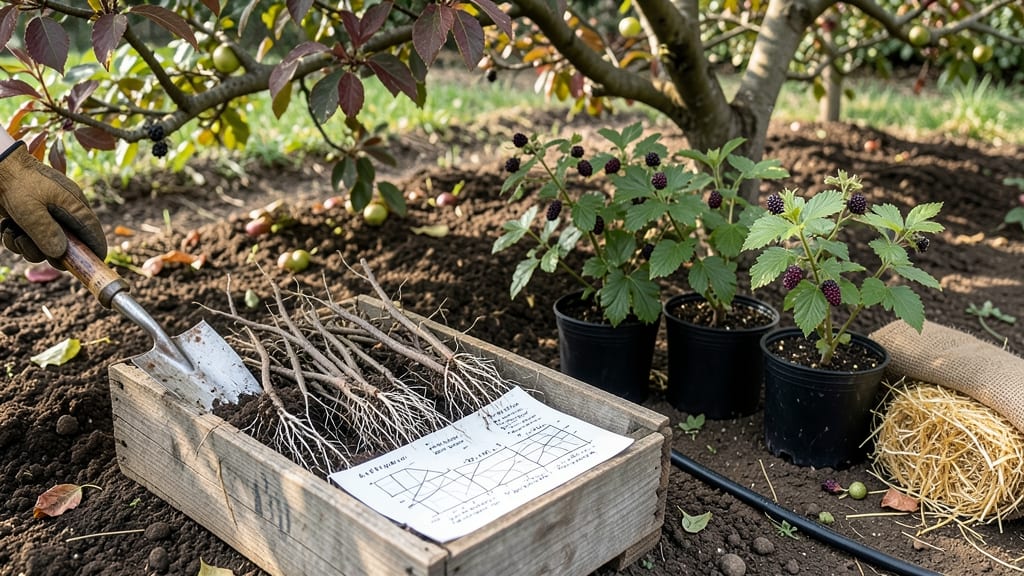
Timing your blackberry 🫐 planting in Ohio can mean the difference between a thriving bush and one that struggles to survive. With Zone 6a's unpredictable swings from frost to heat, knowing the best months to plant is critical for sweet, abundant harvests.
Most gardeners in Ohio swear by fall planting—between September and October—as the golden window. This gives roots time to establish before winter, setting your blackberries up for explosive growth next spring. But spring planting (late March to early April) works too, if you act fast.
Whether you're working with bare-root plants or potted varieties, the key is soil temperature and frost risk. I'll walk you through exactly when to plant for maximum success, plus how to prep your Ohio soil for blackberry perfection.
Ready to grow juicy, homegrown berries? Let's dive into the ideal planting schedule and pro tips that'll have your bushes thriving in no time.
Ohio blackberry planting calendar: spring vs fall deadlines by month
Ohio’s Zone 5b-6a climate demands precise timing for blackberry planting—either late winter/early spring or early fall. The difference between success and failure often comes down to soil temperatures, frost risk, and whether you’re planting bare-root or potted blackberries.
Let’s break down the exact windows and what to watch for each month.
Spring planting in Ohio typically starts 4-6 weeks before your last frost date (usually mid-April), but soil must warm to at least 50°F (10°C) for roots to establish.
Fall planting, however, offers a longer window—September through early October—giving roots time to settle before winter. Both seasons have pros and cons, depending on your local microclimate.
Here’s the month-by-month breakdown for Ohio gardeners, including critical deadlines and adjustments for early/late seasons:
| Season | Month | Ideal Planting Window | Soil Temp | Frost Risk | Plant Type |
|---|---|---|---|---|---|
| Spring | Late March | Early bare-root (if soil thawed) | 40-45°F (4-7°C) | High (last frost ~April 15) | Bare-root only |
| April | Best window (soil 50°F+) | 50-60°F (10-15°C) | Moderate (late frosts possible) | Bare-root or potted | |
| May | Too late (heat stress risk) | 60°F+ (15°C+) | Low | Avoid | |
| Fall | August | Early fall (potted plants) | 60-70°F (15-21°C) | None | Potted only |
| September | Prime window (bare-root or potted) | 55-65°F (13-18°C) | Low | Both types | |
| October | Last chance (before hard frost) | 45-50°F (7-10°C) | High (first frost ~Oct 15) | Bare-root preferred |
For spring planting, aim to get blackberries in the ground by mid-April in most of Ohio. If you’re using bare-root plants, soak roots overnight before planting to prevent transplant shock. Potted plants can handle spring planting slightly later, but avoid May—heat stress will stunt root growth before winter.
Fall planting is often preferred in Ohio because it gives roots time to establish before winter. Plant 6-8 weeks before your first frost (usually early September), but avoid November—young roots won’t harden off in time. Mulch heavily after fall planting to insulate roots from temperature swings.
Ohio’s climate variability means you might need to adjust these deadlines. Check your local USDA Plant Hardiness Zone (some southern Ohio areas are Zone 6b) and monitor soil temperatures with a thermometer. If your soil stays cold longer than average, delay spring planting until mid-April or later.
Pro tip: If you’re unsure about timing, potted blackberries give you more flexibility—they can be planted 2-3 weeks later than bare-root varieties. Just ensure the root ball isn’t drying out before planting.
Ohio’s clay-heavy soils can be a double-edged sword for blackberries—too dense, and roots suffocate; too loose, and nutrients wash away. The key is creating a well-draining, slightly acidic (pH 5.5–6.5) mix that mimics their native woodland edges. Start by testing your soil’s pH with a home test kit or send a sample to your local Ohio State University Extension office for professional analysis. If your soil tests too alkaline (above 6.5), amend it with elemental sulfur or peat moss to lower the pH gradually over 2–3 months. For sandy soils, mix in 2–3 inches of compost or well-rotted manure to improve water retention. Blackberries thrive in loamy soil with organic matter, so avoid fresh manure, which can burn roots. Before planting, till the soil to a depth of 12–18 inches to loosen compacted layers. Remove any weeds or grass, as competition steals nutrients and water from your blackberries. For heavy clay, consider raised beds filled with a 50/50 mix of topsoil and compost—this gives roots room to spread without suffocating.How to prepare Ohio soil for blackberry planting (before and after)
🌱 Ohio Soil Prep