
Plants
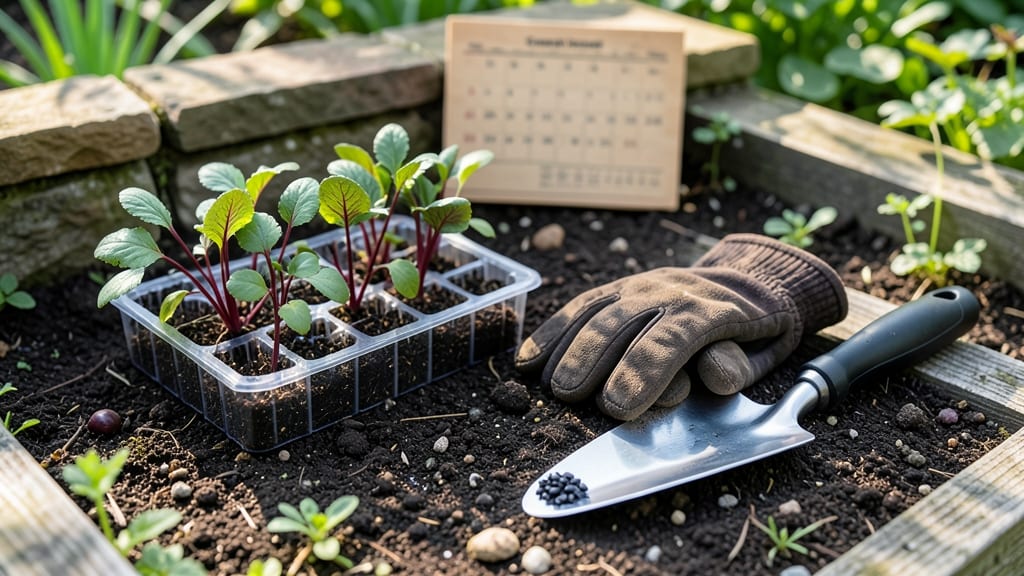
Timing your beet 🍠 planting in Utah isn’t just about following a calendar—it’s about outsmarting the state’s unpredictable frost dates and high-altitude quirks that can turn your garden into a hit-or-miss experiment.
If you’ve ever planted beets only to watch them bolt in spring’s warm spells or struggle under summer’s dry heat, you know the stakes.
The sweetest, tenderest harvests in Utah’s USDA Zones 5-8 depend on planting at the right moment—whether that’s in early spring’s cool soil or late summer’s cooler evenings.
I’ll break down the exact windows for both spring and fall plantings, tailored to Utah’s microclimates, so you can avoid common pitfalls like woody roots or stunted growth. No more guessing—just a foolproof schedule for your high-altitude garden.
Ready to grow beets that rival the ones at the farmers’ market? Let’s dive into the perfect planting times that’ll have your garden thriving from March to November.
Utah’s ideal beet planting windows: month-by-month high-altitude guide
Utah’s high-desert climate and variable elevations mean beet planting isn’t one-size-fits-all. In Salt Lake City (Zone 6a), the last frost typically hits around April 15, while southern Utah (Zone 7b) can delay frost until May 1.
These shifts directly impact when to plant beet seeds for maximum sweetness and yield.
For spring plantings, aim to sow seeds 4-6 weeks before your last frost date. In northern Utah, this means late March to early April.
Southern Utah gardeners have until mid-April. Beets thrive in cool soil (40°F+), so don’t rush—wait until the ground warms slightly after winter’s chill.
Here’s the key: Fall plantings work beautifully in Utah, too. Start seeds in late August for a harvest before first frost (mid-October). This strategy avoids bolting from Utah’s long summer days while delivering sweeter roots in cooler weather.
🌱
| Planting Window | Elevation Adjustments | Soil Temp Threshold | Harvest Window |
|---|---|---|---|
| Late March - Early April | Northern Utah (6,000-8,000 ft) | 40°F+ | June - July |
| Mid-April | Southern Utah (4,000-6,000 ft) | 45°F+ | July - August |
| Late August | All elevations | 50°F+ | October - November |
Utah’s microclimates create opportunities for succession planting. After your first spring harvest, sow a second batch in early May for a late-summer crop. Just be mindful of day-length sensitivity—beets planted too late in summer may bolt prematurely due to Utah’s long daylight hours.
For container gardening in urban areas like Park City, start seeds indoors in early March and transplant outdoors after frost. Containers warm up faster, so monitor soil temperature closely—beets won’t germinate well below 40°F.
Pro tip: Use row covers in early spring to protect seedlings from late frosts or windburn. In Utah’s dry climate, mulch heavily with straw or wood chips to retain moisture and regulate soil temperature.
💧
Remember, elevation matters. Gardens in Ogden Valley (7,000 ft) will need to plant 2 weeks later than those in St. George (3,000 ft). Check your local USDA Zone and adjust accordingly—this precision is what separates thriving beets from bolted greens.
Finally, test your soil before planting. Utah’s alkaline soils (pH 7.5-8.5) can stunt beet growth. Amend with compost or sulfur to lower pH to 6.0-7.0 for optimal root development.
5 Critical factors that determine beet success in Utah gardens
Utah’s unpredictable spring weather and high-altitude conditions make timing everything for beet success. Unlike lower-elevation gardens, your soil temperature must reach 40°F+ consistently before planting—typically mid-March to early April in Salt Lake City, but 2-3 weeks later in rural areas like Moab.
Beets are day-length sensitive, meaning they’ll bolt (go to seed) if exposed to long summer days too early. In Utah’s Zone 5-8 climates, this means avoiding early February plantings—wait until after the last frost (usually mid-April in most regions) to prevent bitter, woody roots.
Moisture consistency is another Utah-specific challenge. Beets need 1-2 inches of water weekly, but dry spells in May-June can stress plants. Use drip irrigation or mulch heavily to retain soil moisture—especially in sandy soils common to Utah’s Wasatch Front.
🌱 5 Critical Factors for Utah Beet Success
- Soil Temp: Wait until 40°F+ (mid-March to April)
- Frost Dates: Plant 2 weeks after last frost (varies by elevation)
- Day Length: Avoid long summer days to prevent bolting
- Water Depth: 1-2 inches weekly (critical in Utah’s dry spells)
- Soil pH: Aim for 6.0-7.0 (test before planting)
Utah’s thin mountain air also affects beet growth. At 5,000+ feet elevation, beets grow slower but sweeter than at lower altitudes.
To compensate, start seeds indoors 4-6 weeks before your last frost date and transplant seedlings when they’re 2-3 inches tall—this gives them a 2-week head start against cool nights.
Finally, succession planting is key in Utah’s short growing season. Plant every 2 weeks from March to July to ensure a continuous harvest before fall frosts hit in mid-October. This works especially well for baby beets, which mature in just 45 days.
By mastering these 5 factors, you’ll beat Utah’s climate challenges and enjoy sweet, tender beets from June through November. The secret? Patience and precision—just like the Wasatch Mountains themselves. 🌿