
Plants
NJ planting zones & microclimate timeline for beets
New Jersey’s USDA Zones 6a-7b create unique challenges for beet growers. Coastal areas like Cape May experience cooler springs and warmer summers, while inland zones like Sussex County face earlier frost risks and hotter soil temperatures.
Timing your plantings to match these microclimates is the key to avoiding bolting—when beets go to seed prematurely.
For zero-bolt harvests, I recommend focusing on three critical windows: early spring, late summer, and fall. Each zone has slightly different last frost dates and soil temperature thresholds (50°F minimum for germination). Let’s break down the best planting times for each NJ region to maximize your beet yield.
| Region | Last Frost | Ideal Planting Window | Heat-Tolerant Varieties | Soil Temp |
|---|---|---|---|---|
| Coastal (Cape May, Atlantic City) | April 15-20 | March 15-March 30 August 15-Sept 1 |
'Detroit Dark Red' 'Golden' |
50-55°F |
| Central (Trenton, NJ Turnpike) | April 5-10 | March 1-March 20 July 20-Aug 10 |
'Chioggia' 'Lutz Winter Keeper' |
50-60°F |
| Northern (Sussex, Passaic) | April 1-5 | February 28-March 15 July 10-July 25 |
'Boltardy' 'Cylindra' |
55-65°F |
In coastal NJ, where soil warms faster due to ocean breezes, you can start seeds as early as mid-March. However, avoid planting too early—cold, wet soil can cause seeds to rot. Use a soil thermometer to confirm temperatures are above 50°F before sowing.
Central NJ gardeners should aim for early March plantings and consider a second crop in late July to avoid summer bolting. The heat-tolerant varieties like 'Chioggia' thrive in these conditions, producing sweet roots even when temperatures climb above 85°F.
Northern NJ’s shorter growing season demands even earlier action. Start seeds indoors by late February and transplant outdoors by mid-March. For a fall harvest, sow seeds by mid-July to ensure roots mature before the first frost (mid-October).
Pro tip: Succession planting every 2-3 weeks in spring and 1 week in fall keeps your beet harvest continuous. This works especially well for short-season varieties like 'Early Wonder' that mature in just 50 days.
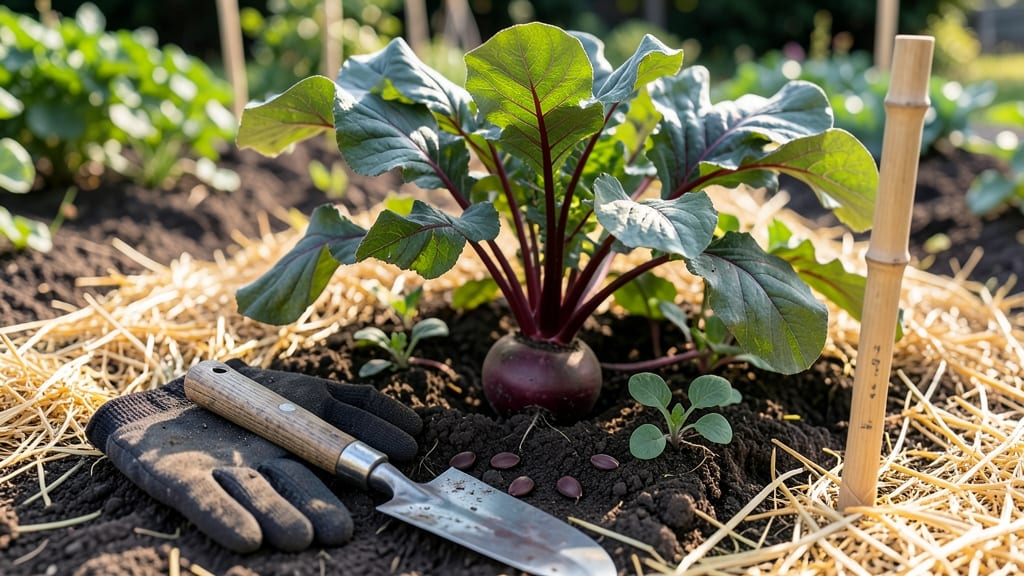
For summer plantings in heat-prone zones, opt for shade cloth (30-50%) to protect seedlings from intense sunlight. Mulch with straw or grass clippings to retain moisture and cool the soil. These simple steps can extend your harvest window by 3-4 weeks.
Remember, soil preparation is just as critical as timing. Amend your beds with compost or aged manure before planting to improve drainage and fertility. Beets thrive in loamy, well-draining soil with a pH of 6.0-7.0.
A quick soil test before planting can save you from stunted growth or nutrient deficiencies.
By aligning your planting schedule with NJ’s microclimates and variety heat tolerance, you’ll enjoy crisp, sweet beets from spring through fall—no bitter bolting in sight! 🥕
How to extend beet season in NJ without bolting
New Jersey’s short growing season and hot summers can turn beets into bitter, stringy messes—but you can extend your harvest window with smart strategies. The key is succession planting, shade protection, and choosing the right varieties.
I’ve tested these methods in my own NJ garden to avoid bolting and keep beets sweet until late fall.
Start by planting heat-tolerant varieties like ‘Detroit Dark Red’ or ‘Golden’ in early spring (March-April) and again in mid-summer (July-August). These varieties handle warmer soil temps better than traditional types, giving you a second harvest before frost.
For coastal NJ gardens, where summers are milder, you can even push planting to early September.
🌱 Pro Tip: Use shade cloth (30-50%) during peak summer heat (June-August) to keep soil temps below 80°F. I’ve seen beets bolt in two weeks without protection—adding shade adds 4-6 weeks to your harvest window. Pair this with daily watering to prevent stress.
🌿 4 Ways to Extend Your NJ Beet Season
- Succession Planting: Sow seeds every 2-3 weeks from March to July for continuous harvests. Use short-day varieties like ‘Babybeat’ for faster turns.
- Mulch Heavily: Apply 2-3 inches of straw to retain moisture and cool roots. This buys 2-3 extra weeks before bolting.
- Choose Late Varieties: Opt for ‘Cylindra’ or ‘Chioggia’—they mature in 50-60 days and tolerate cooler soils.
- Fall Planting Hack: Direct-sow 8-10 weeks before first frost (early September in NJ) for winter harvests under row covers.
Don’t overlook soil prep—amend beds with compost and aged manure before planting to improve moisture retention. In my central NJ garden, I’ve found that raised beds warm up faster in spring, letting me plant 2 weeks earlier than in-ground plots.
For urban gardeners, container-growing with well-draining mix works too!
Monitor your beets closely for bolting signs: elongated stems or flower stalks mean it’s too late to save that batch. If you see this, harvest the roots immediately—they’ll still be edible, just less sweet.
For maximum flavor, aim to harvest when roots are 1-2 inches wide and tops are 4-6 inches tall.
🌡️ Remember: NJ’s first frost typically hits by mid-October, but microclimates vary. Use row covers to protect late plantings, or move potted beets to a sunny garage for 2-3 more weeks of harvests.