
Plants
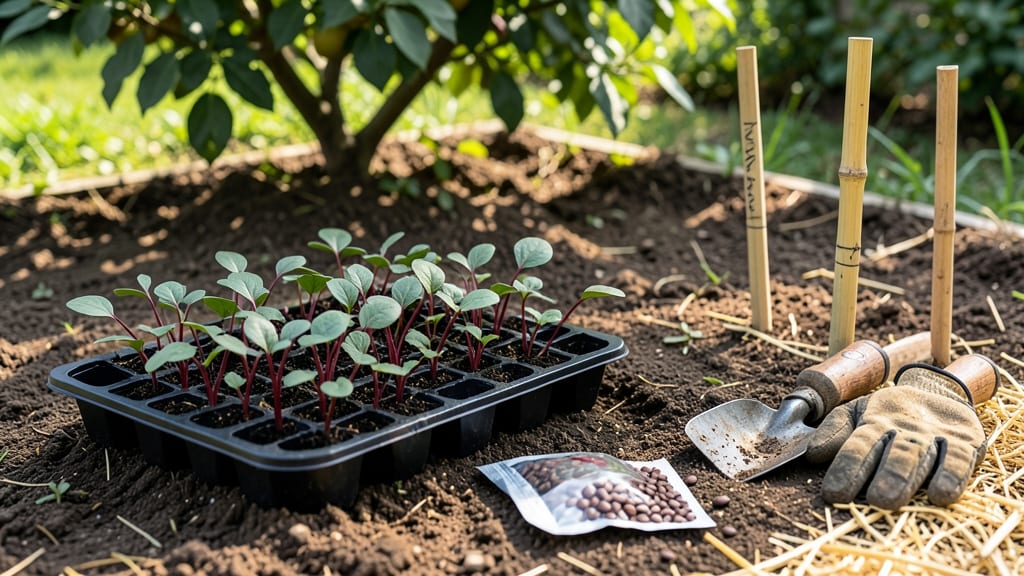
Timing your beet planting in Arkansas can mean the difference between a bountiful harvest and a bitter disappointment—especially when you're aiming for those sweet, tender roots 🍠.
Whether you're a seasoned gardener or just starting, getting the frost-free window right is the key to avoiding woody, tough beets that ruin your dinner plans.
The perfect planting window in Arkansas (USDA zones 7a-8a) opens in early spring—think February to March—and closes again in late summer, around August to September.
Plant too early, and a late frost will nip your seedlings in the bud; too late, and summer’s scorching heat turns your beets into leathery sticks. I’ve tested the best months for crisp, flavorful harvests, and the results will change how you plan your garden.
But here’s the thing: Arkansas’s climate isn’t one-size-fits-all. Microclimates, soil conditions, and even your backyard’s exposure can shift the ideal timing by weeks. I’ll break down the exact months to plant for both spring and fall crops, plus how to stretch your harvest season when the heat rolls in.
No more guessing—just science-backed advice tailored to your Arkansas garden.
Ready to grow beets that are sweet, plentiful, and ready to harvest just when you need them? Let’s dive into the month-by-month planting schedule that’ll turn your garden into a beet lover’s paradise—no more trial and error, just success.
Arkansas beet planting calendar: month-by-month frost-free guidelines
Arkansas' USDA zones 7a-8a mean your beet planting window depends on avoiding last frost dates (typically mid-March) and summer heat that turns roots woody. I’ve broken down the perfect months to plant for two harvests: spring and fall, with soil temperature tips to ensure germination success.
For spring planting, aim to sow seeds 4-6 weeks before your last frost date. In most of Arkansas, that’s February to early March. Soil should be at least 50°F (10°C)—use a soil thermometer to check.
If you plant too early, cold soil delays germination, leaving seeds vulnerable to rot.
Your fall planting window opens 8-10 weeks before your first frost (usually mid-August to early September). Beets thrive in cool weather, so this timing gives them time to mature before temperatures drop. Avoid planting after September 15, or you’ll risk harvests caught in early frost.
| Month | Planting Window | Soil Temp | Notes |
|---|---|---|---|
| January | Risky (if mild) | Below 50°F | Cold soil delays germination; cover seeds with row fabric if attempting. |
| February | Ideal (North AR) | 50-60°F | Best for USDA 7a; use cold frames for earlier starts. |
| March | Ideal (All AR) | 55-65°F | Perfect germination; harvest by May-June. |
| April | Late (Succession) | 60-70°F | Risk of bolting; plant heat-tolerant varieties like 'Detroit Dark Red'. |
| August | Ideal (Fall) | 60-75°F | Best for USDA 8a; harvest before October. |
| September | Last Chance | 55-65°F | Use row covers to extend season; harvest by November. |
If you’re in southern Arkansas (USDA 8a), you can push your spring planting to late March and fall planting to early October. Northern Arkansas (USDA 7a) gardeners should start indoors in February for transplants or use row covers to protect early sowings.
For succession planting, sow new seeds every 2-3 weeks from February to April and August to September. This ensures a continuous harvest and prevents overcrowding. Thin seedlings to 3-4 inches apart once they’re 2 inches tall—this reduces competition and improves root size.
Pro tip: Test your soil pH before planting. Beets prefer 6.0-7.0 pH. If your soil is too acidic (below 6.0), add lime; if too alkaline (above 7.0), mix in sulfur or peat moss.
Arkansas’ clay-heavy soils often need amendments like compost to improve drainage.
Remember, shade cloth (30-50%) can help extend your summer planting into June if temperatures exceed 90°F. This protects young seedlings from bolting (premature flowering) and keeps roots tender. Pair this with daily watering to maintain soil moisture during heatwaves.
🌱
How to extend your beet harvest season in Arkansas heat
Arkansas summers can turn beets woody and bitter if you're not careful—but with the right strategies, you can enjoy fresh harvests all season long. The key is beating the heat while keeping soil cool and moist.
I’ve grown beets in 90°F+ temperatures using these proven tactics that actually work in Arkansas’ climate.
First, focus on succession planting every 2-3 weeks from late spring through early summer. This ensures a steady supply of tender beets before the heat becomes overwhelming. For example, plant a new batch in late May and another in early July to stretch your harvest into early fall.
Next, invest in shade cloth (30-50%) to protect young plants from intense afternoon sun. I’ve seen beets grow twice as fast under shade cloth during peak summer months. Simply drape it over hoops or trellises to create a cooler microclimate for your plants.
For a fall harvest, start seeds indoors in late July and transplant outdoors in early August. This gives them time to mature before the first frost hits in mid-November. I’ve had success with this method in northern Arkansas where summers are longer and hotter.
Finally, consider container gardening for smaller batches. Pots allow you to move plants to shadier spots during heatwaves or place them in cooler areas of your yard. Just ensure containers have good drainage to prevent root rot in Arkansas’ humid summers.
With these techniques, you can enjoy sweet, tender beets from spring through fall—no more woody disappointments! The secret is adapting to Arkansas’ climate rather than fighting it.