
Plants
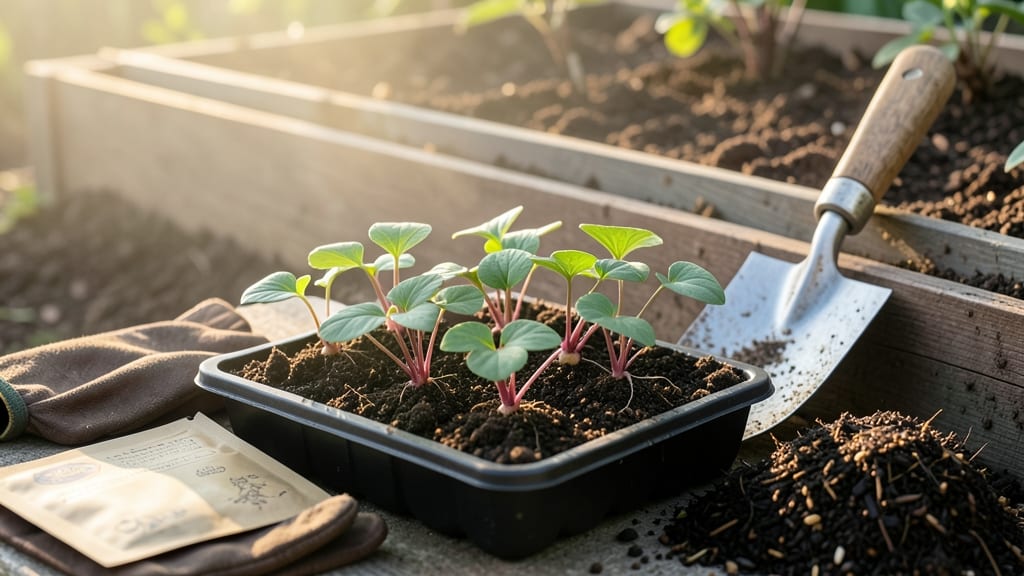
Timing is everything when it comes to growing sweet, tender beets in Arizona—plant them too early, and you’ll battle the heat; too late, and you’ll miss the perfect harvest window.
The key to avoiding bitter, bolted 🍠 failures lies in understanding Arizona’s unique climate zones, where frost-free days stretch beyond 300+ and summer temperatures can turn your garden into a sauna.
Most gardeners in USDA Zone 9b swear by two ideal planting windows: late summer to early fall (September–November) and early spring (February–March). These periods give your beets the cool weather they crave while sidestepping the extreme heat that triggers premature flowering.
But here’s the catch: not all Arizona regions are created equal—Phoenix’s low desert demands a different approach than Flagstaff’s cooler high desert.
If you’ve ever pulled up a beet only to find it tough and woody or bolted into a flower spike, you know the frustration. The solution? Strategic planting, shade cloth, and the right varieties like 'Detroit Dark Red' that thrive in desert conditions.
I’ll show you exactly how to sync your planting schedule with Arizona’s heat cycles so you can enjoy fresh, homegrown beets from November through May—without the guesswork.
Ready to master the art of beet growing in the desert? Let’s dive into the exact planting calendar, soil prep secrets, and heat-busting tips that’ll turn your garden into a beet-growing powerhouse—no matter where you are in Arizona.
Best planting times for beets in Arizona’s climate zones
Arizona’s desert climate creates unique challenges for growing beets, but with the right timing, you can harvest tender roots year-round. The key is avoiding bolting (premature flowering) caused by heat stress. Unlike cooler climates, Arizona’s USDA Zone 9b allows for two ideal planting windows: fall and spring.
Fall planting is the safest bet because cooler temperatures and shorter days prevent bolting. Spring planting works too, but requires careful shade management. Let’s break down the exact months for each Arizona region—Phoenix, Tucson, and Flagstaff—since microclimates vary dramatically.
Beets thrive when soil temperatures stay between 50°F and 75°F. In Arizona, this means planting when daytime highs are below 85°F. Use a soil thermometer to confirm—ideal germination occurs at 60°F–70°F.
Avoid planting during summer’s peak heat (June–August), when temperatures often exceed 100°F. Even shade won’t fully protect beets from bolting during these months. Instead, focus on September–November for fall crops and February–March for spring.
Here’s how each Arizona region differs:
| Region | Best Planting Window | Soil Temp Threshold | Harvest Window | Key Tip |
|---|---|---|---|---|
| Phoenix/Low Desert | September 15–November 15 | 50°F–75°F | November–December | Use 30% shade cloth in late fall to slow growth |
| Tucson/Mid Desert | September 1–November 30 | 55°F–70°F | October–January | Plant heat-tolerant varieties like 'Detroit Dark Red' |
| Flagstaff/High Desert | March 1–April 15 | 45°F–65°F | May–June | Start seeds indoors in February for earlier harvests |
| Spring Planting (All Regions) | February 15–March 15 | 60°F–75°F | April–May | Use drip irrigation to keep soil evenly moist |
For year-round harvests, I recommend planting succession crops every 2–3 weeks during your region’s ideal window. For example, in Phoenix, sow seeds on September 15, October 1, and October 15 to ensure a steady supply through December.
If you’re in Tucson or Flagstaff, you can even experiment with winter planting (December–January) under row covers. Just monitor soil temps—beets won’t germinate well below 45°F. A cold frame can extend your growing season by 4–6 weeks.
Pro tip: Direct-sow seeds instead of transplanting seedlings, as beets hate root disturbance. Scatter seeds ½ inch deep and thin to 2–3 inches apart when seedlings are <
How to extend beet growing season in Arizona heat
Arizona’s summer heat forces beets into early bolting, but with the right strategies, you can grow them year-round. The key is cooling the soil, shading young plants, and choosing heat-tolerant varieties. Let’s break down how to beat the desert heat and keep your beets sweet and tender.
First, plant heat-resistant varieties like 'Detroit Dark Red' or 'Golden'—these handle Arizona’s 90°F+ days better than standard types. Pair them with succession planting every 2-3 weeks to ensure a continuous harvest without overwhelming your garden at once.
🌱 Pro Tip: Start seeds indoors under grow lights 6-8 weeks before your target outdoor planting date. This gives seedlings a head start before the brutal summer heat sets in.
✅ Pros of Extending Beet Season
Blocks 30-50% sunlight in summer, keeping soil temps 10°F cooler.
Retains moisture and insulates roots from heat spikes.
Ensures continuous harvests without bolting all at once.
❌ Cons to Avoid
Soil temps above 85°F cause seeds to bolt prematurely.
Inconsistent watering leads to woody roots and bitter taste.
Planting after May 15 risks bolt-resistant failures.
For summer plantings, use 30-40% shade cloth to protect seedlings until they’re 4-6 inches tall. Remove it gradually to harden off plants before full sun exposure. Pair this with 2-3 inches of mulch (straw or wood chips) to keep roots cool and moist.
In fall, focus on soil prep—amend beds with compost to improve drainage and fertility. Beets grown in well-draining soil handle Arizona’s brief cool snaps better and resist rot. Harvest before November’s first frost (rare but possible in high desert areas).
🌿 Final Tip: Try container gardening for beets in extreme heat. Pots heat up faster, so use black fabric pots to absorb and dissipate heat, and place them in dappled shade during peak afternoon sun.