
Plants
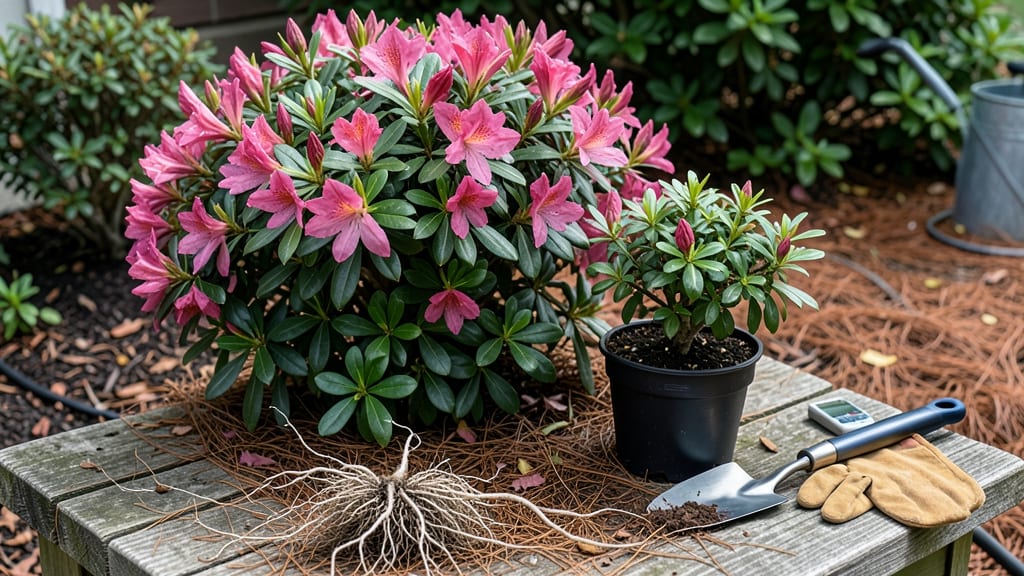
If you're dreaming of vibrant 🌸 azaleas bursting with color in your Atlanta garden, timing your planting is the game-changer that separates stunning blooms from struggling shrubs.
The right window isn't just about months—it's about avoiding Atlanta's tricky frost dates and humidity swings that can make or break your azalea's first year.
Most gardeners in Zone 7b swear by planting between October and November or March and April, but why? These periods give your azaleas the perfect balance of cool soil temperatures and steady moisture—critical for root establishment before summer's brutal heat arrives.
Skipping this window could leave your plants struggling to thrive.
Whether you're digging in the ground or planting in containers, the key is preparation. Atlanta's clay-heavy soil needs amending with organic matter, and container plants require special drainage considerations.
I'll walk you through exactly what to do before, during, and after planting to ensure your azaleas take root like a pro.
Ready to transform your yard into a springtime spectacle? Let's dive into the ideal planting schedule, soil secrets, and care tips that'll have your azaleas blooming bigger and brighter than ever before in Atlanta's unique climate.
Best months to plant azaleas in Atlanta (and why timing matters)
Atlanta’s humid subtropical climate gives azaleas a fighting chance, but planting timing determines whether your shrubs thrive or struggle. The ideal planting window in Zone 7b/8a spans October through November and March through April, aligning with Atlanta’s cooler months when soil temperatures stay mild and humidity remains balanced.
Fall planting (October-November) lets roots establish before winter dormancy, while spring planting (March-April) avoids late-season heat stress. Both windows sidestep Atlanta’s extreme summer heat and winter freezes, which can shock young azalea roots.
The key is soil temperature consistency—roots grow best when soil stays between 50°F and 70°F.
Here’s why these months work best for Atlanta’s microclimates:
| Season | Best Months | Soil Temp (°F) | Atlanta Climate Benefit |
|---|---|---|---|
| Fall | October–November | 50–65°F | Cooler temps reduce stress; roots establish before winter |
| Spring | March–April | 55–70°F | Avoids summer heat; aligns with last frost (March 15) |
| Avoid | May–September | >75°F | High heat causes transplant shock; drought stress increases |
Atlanta’s last frost date (March 15) marks a critical cutoff—planting after this risks exposing tender roots to sudden cold snaps. Conversely, planting in late November leaves little time for roots to harden before winter dormancy.
For container-grown azaleas, you have slightly more flexibility, but soil moisture retention becomes critical in Atlanta’s clay-heavy soils.
Native azaleas (like Rhododendron atlanticum) thrive in Atlanta’s acidic, well-draining soils, but non-native varieties may need amended soil. Test your soil’s pH level—azaleas prefer 4.5–6.0. If your soil tests higher, mix in peat moss or pine bark to lower pH before planting.
This step is non-negotiable in Atlanta’s alkaline clay soils, which can stunt growth if uncorrected.
Another Atlanta-specific challenge is humidity spikes during late summer. Planting in September (a "good" but not ideal month) risks fungal diseases like root rot due to prolonged soil moisture. To mitigate this, always plant in morning hours and water deeply but infrequently to encourage deep root growth.
Pro tip: If you miss the ideal window, container planting extends your options. Potted azaleas can be planted in February or May with careful acclimation, but expect slower establishment. For in-ground planting, October remains the gold standard—it’s why Atlanta’s Botanical Garden recommends it for azalea success.
One common mistake Atlanta gardeners make is planting azaleas too deep. The root flare (where roots meet the stem) should sit just above soil level. Burying it too deep suffocates roots, while planting too shallow exposes them to temperature swings.
Use a spade to loosen soil to a depth of 12 inches before placing the plant, ensuring roots spread freely.
Finally, mulch heavily after planting—3–4 inches of pine straw conserves moisture and mimics Atlanta’s natural forest floor conditions. This mimics how azaleas grow wild in Georgia’s Piedmont region, where they thrive under partial shade and acidic leaf litter.
Mulch also suppresses weeds, reducing competition for nutrients during the critical first growing season.
Fall vs. spring planting: which works better for Atlanta gardens?
Atlanta’s humid subtropical climate makes both fall and spring viable for planting azaleas, but each season offers unique advantages. I’ve planted azaleas in both seasons and can confidently say your choice depends on your priority: root establishment or bloom timing.
Let’s break down the pros and cons for Atlanta’s Zone 7b/8a conditions.
Fall planting (October–November) aligns perfectly with Atlanta’s cool, moist soil and reduced pest pressure. The 60–70°F soil temperatures encourage strong root growth before winter dormancy.
Plus, azaleas planted in fall often bloom earlier the following spring. However, late fall planting risks early frost damage if roots don’t establish quickly enough.
🌿 Fall Planting (Oct–Nov)
- ✅ Cooler temps reduce transplant shock
- ✅ Moist soil aids root growth
- ✅ Fewer pests compared to spring
- ❌ Risk of frost if planted too late
- ❌ Limited bloom in first year
🌷 Spring Planting (Mar–Apr)
- ✅ Warmer soil speeds up growth
- ✅ Full first-year blooms possible
- ✅ Avoids winter stress
- ❌ Hot, dry soil can stress roots
- ❌ Higher pest risk (aphids, spider mites)
For Atlanta’s north side, where soils stay moist longer, fall planting is ideal. But if you’re on the south side with faster-drying soil, spring planting gives roots a head start.
I recommend early spring (March) for maximum bloom potential, but only if you’re prepared to water deeply during Atlanta’s dry April.
Pro tip: Mulch heavily (3–4 inches) after planting to retain moisture and regulate soil temperature. Use pine bark or pine straw—they naturally acidify the soil, which azaleas love. Avoid fresh wood chips, as they can raise soil pH over time.
Regardless of season, avoid summer planting—Atlanta’s 90°F+ soil temps can burn delicate roots. If you miss fall and spring, late winter (February) is your last chance, but expect slower establishment.
🌸