
Plants
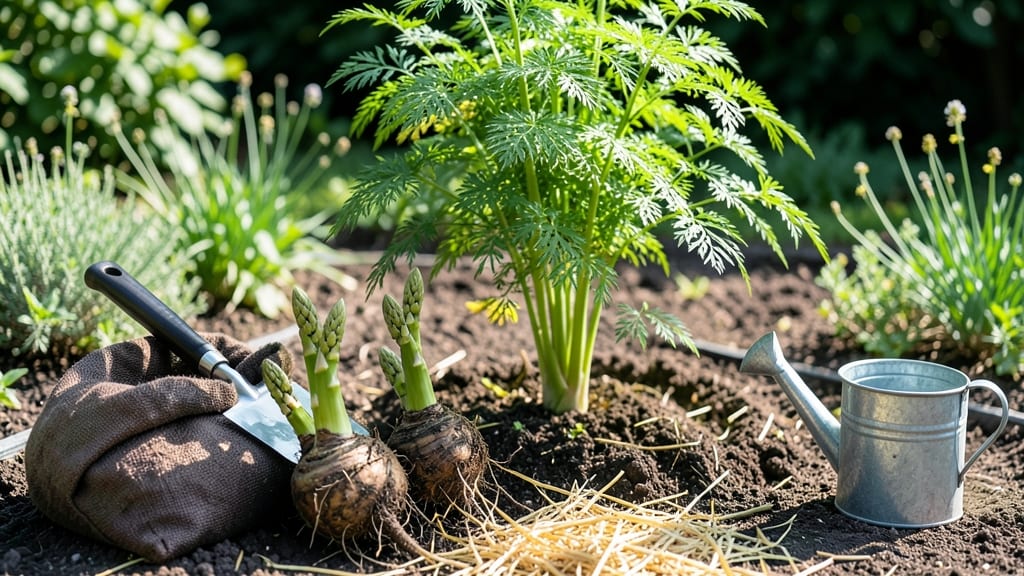
Timing your asparagus planting in North Texas can mean the difference between a thriving garden and a lost investment—because that 6-week window between late winter and early spring is critical for root establishment before summer’s scorching heat takes over.
If you’ve ever wondered why some gardeners swear by planting crowns while others swear by seeds, or how to prepare your North Texas soil to avoid crown rot, you’re not alone.
The key lies in understanding your USDA Zone 8a climate and aligning your planting schedule with local frost patterns—because even a few degrees can make or break your asparagus.
In this guide, I’ll break down the exact dates for planting cold-hardy varieties, soil prep secrets tailored to North Texas clay, and post-planting care to ensure your asparagus thrives for years to come. No more guesswork—just a foolproof plan for a bountiful harvest starting in 2025.
Ready to dig in? Let’s get your 🌱 asparagus off to the best possible start with these proven strategies that work in our region’s unique growing conditions.
North Texas asparagus planting calendar: exact dates for cold-hardy varieties
North Texas gardeners face a unique challenge with asparagus—our USDA Zone 8a/b climate creates a 6-week planting window where timing is everything. Plant too early, and a late frost can kill young crowns; too late, and summer’s 100°F+ heat stunts root growth before establishment.
The sweet spot? Late February to early April, aligning with soil temperatures and frost risk data from Texas A&M AgriLife.
For 2025, aim to plant asparagus crowns (not seeds) between February 20 and March 31. This window accounts for North Texas’s average last frost date of March 15 while giving roots time to establish before summer’s heat peaks.
Crowns planted in January risk frost damage, while those planted after April 15 struggle to mature before the heat sets in.
Here’s the critical timeline for your North Texas garden:
| Stage | Action | Notes |
|---|---|---|
| Late February | Soil prep complete | Test pH (6.5-7.0), amend with compost |
| February 20-March 15 | Plant crowns | 6-8" deep, 12-18" apart in trenches |
| March 15-April 15 | Root establishment | Keep soil moist, mulch heavily |
| April 15-May 15 | Fertilize lightly | 10-10-10, ½ cup per plant |
| Year 1-2 | No harvest | Focus on root growth |
North Texas’s unpredictable weather demands flexibility. Check the National Weather Service for 10-day forecasts before planting—if a hard freeze (<28°F) is predicted, delay until after March 15. Use row covers if planting early to protect young shoots from late frosts.
Pro tip: Plant Mary Washington or Jersey Knight varieties—they’re the most cold-hardy and heat-tolerant for our climate. These varieties can handle North Texas’s summer heat better than others, though yields will drop if planted after April 1.
After planting, mulch heavily with 2-3 inches of straw or wood chips to retain moisture and regulate soil temperature. Asparagus roots are sensitive to heat stress, so keeping the soil cool is critical during North Texas’s scorching summers.
Water deeply 2-3 times per week until establishment (first 2 years).
Remember: Asparagus is a perennial, meaning it’ll produce for 10-15 years if planted correctly. Skipping the 6-week window now means years of lost harvests. Mark your calendar for February 20, 2025, and you’ll be ready to enjoy fresh spears by spring 2027!
For extra peace of mind, consider planting in raised beds. They warm up faster in North Texas’s cold winters and drain better than heavy clay soils, reducing the risk of crown rot. Just ensure the bed has at least 12 inches of depth for those thick, woody roots.
🌱
How to prepare North Texas soil for asparagus: 3 critical steps before planting
North Texas soil—often heavy clay or compacted loam—can make or break your asparagus crop. Without proper prep, your plants may rot or fail to thrive. The key is drainage, pH balance, and organic matter, all tailored to our region’s unique challenges.
Let’s fix what nature didn’t get right.
Start by testing your soil’s pH level—asparagus thrives in 6.5 to 7.5. North Texas clay often skews alkaline, so you’ll likely need sulfur or peat moss to adjust.
Grab a test kit from your local garden center or send a sample to the Texas A&M AgriLife Extension for precise results. This step alone prevents crown rot, the #1 killer of asparagus here.
🌱 3 Critical Soil Prep Steps for North Texas Asparagus
- Test pH: Aim for 6.5–7.5; amend with sulfur if too alkaline.
- Improve drainage: Mix in 3–4 inches of compost or aged manure.
- Loosen clay soil: Till to 12 inches deep or plant in raised beds.
Next, tackle drainage. Asparagus roots hate soggy soil—North Texas’s heavy clay holds moisture like a sponge. Amend your beds with 3–4 inches of compost or sand (coarse, not fine) to break up compaction.
For severe clay, consider raised beds filled with a mix of topsoil, compost, and perlite. This mimics the well-draining conditions asparagus craves.
Don’t skip organic matter—it feeds your plants long after planting. Work in well-rotted manure (cow or horse) or leaf mold to the depth of a shovel blade. Avoid fresh manure, which can burn roots.
If your soil feels gritty or lacks structure, add peat moss to improve water retention without suffocating roots. Think of it as a multi-year investment—your asparagus will reward you for years.
Finally, time your prep. Start soil amendments 4–6 weeks before planting (so by late January if you’re aiming for February). This gives microbes time to break down organic matter.
Mark your calendar: North Texas’s last frost is around March 15, but asparagus crowns need 6 weeks to establish roots before summer heat hits. Rush this step, and you’ll struggle with weak starts.
Pro tip: Mulch heavily (4–6 inches) with straw or wood chips after planting. This keeps roots cool in Texas summers and retains moisture—critical when water restrictions kick in. Your asparagus will thank you with thicker spears and longer harvests starting year 3.