
Plants
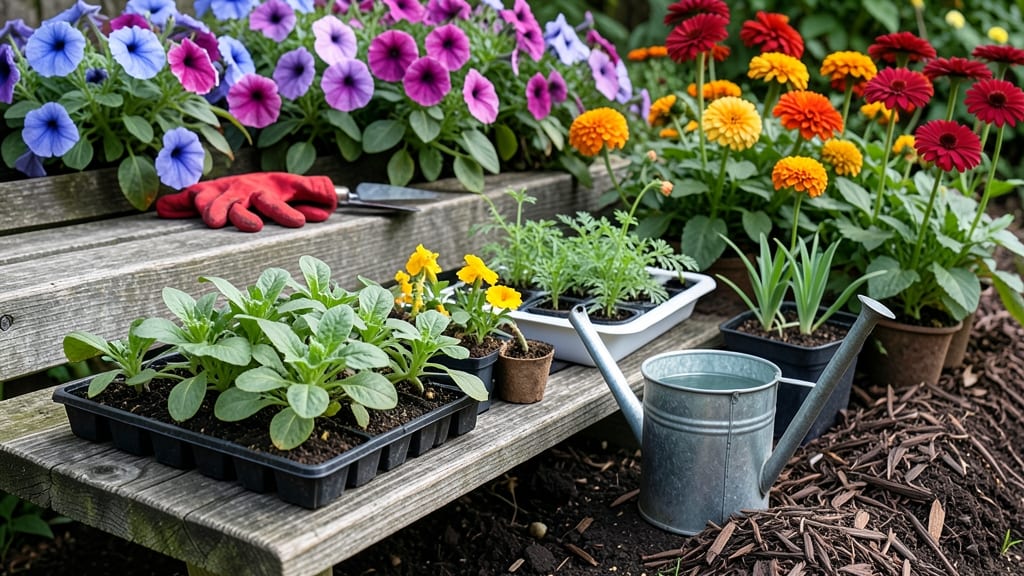
Planting your 🌸 annuals in Colorado at the wrong time can turn your dream garden into a sad, half-bloomed disappointment.
With frost lingering into May in some areas and summer heat arriving early in others, getting the timing right is the difference between vibrant flowers all season and wilted plants that bolt too soon.
I’ve gardened through Colorado’s 5-7 zones and learned the hard way that one-size-fits-all advice doesn’t work here.
Whether you’re in Denver’s urban heat islands or the cooler mountain valleys, the key is knowing when to plant—after last frost for cool-season varieties or during late summer for heat-lovers—to avoid bolting and maximize blooms.
In this guide, I’ll break down the exact planting windows for your region, including heat-zone maps and microclimate tips. You’ll discover how to stretch your growing season, choose the right annuals for your elevation, and even push your luck with late-summer plantings—without risking frost damage.
Ready to transform your Colorado garden into a nonstop bloom show? Let’s dive into the strategies that actually work for our unpredictable climate.
Colorado heat-Zone map for annual planting: avoid bolting and frost
Colorado’s diverse elevations and microclimates create unique challenges for annual planting. The Front Range (Denver, Colorado Springs) has USDA Zones 5-7, while high-altitude areas (like Boulder) can drop to Zone 4.
The Western Slope (Grand Junction) enjoys Zone 6-7 with earlier last-frost dates. Getting your timing right means avoiding early bolting in heat-sensitive varieties or frost damage from late springs.
Your planting window hinges on soil temperature and frost-free probability. Most Colorado regions have a 90% frost-free date between April 15 (low elevations) and May 15 (high elevations).
For warm-season annuals like zinnias or marigolds, wait until soil reaches 60°F+. Cool-season varieties (like pansies) can handle 40°F soil and tolerate light frosts.
For high-altitude gardens (above 7,000 ft), extend your season with black plastic mulch or row covers. These raise soil temperature by 5-10°F, allowing you to plant zinnias or marigolds 2-3 weeks earlier.
In Denver’s urban heat islands, sidewalks and buildings can create microclimates 5°F warmer than rural areas—perfect for heat-loving celosia or portulaca.
Monitor your local Almanac’s frost predictions or use a soil thermometer ($10 at garden centers). Aim for consistent 60°F soil before planting warm-season annuals. In Colorado Springs, this often means waiting until May 1, while Grand Junction gardeners can start cosmos in late March.
Pro tip: Succession plant heat-sensitive varieties like petunias in late May to avoid bolting. Pair them with shade-tolerant annuals (like impatiens) under trees where afternoon sun scalds petals. This two-tiered approach keeps your garden vibrant from May to October.
If you’re in Zone 4-5, prioritize bolting-resistant varieties like ‘Matrix’ petunias or ‘Heatwave’ zinnias. These tolerate 90°F+ temps without premature flowering. For high-altitude shade gardens, choose begonias or fuchsias, which thrive in partial shade and cooler temps.
Remember: First frost typically hits October 1 (low elevations) to September 15 (high elevations). Use fall-blooming annuals like cosmos or snapdragons to extend color until first frost. In Denver’s shorter season, start pansies in late July for September-October blooms.
For container gardening in Colorado, use heat-retentive pots (like fabric grow bags) to protect roots from temperature swings. Move containers to shadier spots during July-August heatwaves to prevent wilting. This flexibility lets you adjust planting times based on weekly forecasts.
Your planting calendar should align with Colorado’s 3 main regions: Front Range (cool nights, hot days), Mountains (short season, cold soil)
Colorado heat-Zone map for annual planting: avoid bolting and frost
Colorado’s diverse elevations—from 3,000 to 10,000 feet—create distinct planting zones where timing makes all the difference. In Denver (Zone 5), last frost typically hits April 15, while Colorado Springs (Zone 6) sees it 10 days earlier.
High-altitude areas like Fort Collins (Zone 4) may wait until May 1 to avoid frost. These variations mean your petunias might bolt in June on the Front Range but thrive in July on the Western Slope.
To simplify, I’ve mapped Colorado into three critical heat zones: Lowlands (3,000–5,000 ft), Mid-Elevation (5,000–7,000 ft), and High Peaks (7,000+ ft).
Each zone has a 14–21 day window for planting warm-season annuals like zinnias or marigolds, but cool-season varieties (e.g., pansies) can start 6–8 weeks before last frost.
🌡️ Colorado Annual Planting Heat-Zone Guide
| Zone | Elevation | Last Frost | Warm-Season Start | Cool-Season Start |
|---|---|---|---|---|
| Lowlands | 3,000–5,000 ft | April 1–15 | April 20–May 1 | March 1–15 |
| Mid-Elevation | 5,000–7,000 ft | April 15–May 1 | May 1–15 | March 15–April 1 |
| High Peaks | 7,000+ ft | May 1–15 | May 15–June 1 | April 1–15 |
💡 Pro Tip: Use row covers to extend your warm-season window by 2–3 weeks in cooler zones.
For heat-sensitive annuals like cosmos or sunflowers, I recommend planting in late May in Denver to avoid the 90°F+ spikes that trigger bolting. Conversely, heat-lovers such as portulaca or lantana can handle direct summer sun and should go in June on the Western Slope.
Always check your local cooperative extension for microclimate adjustments—urban areas like Aurora can be 5°F warmer than rural zones.
If you’re unsure about your zone, grab a soil thermometer—plant when soil hits 60°F for most annuals. For high-altitude gardens, opt for short-season varieties like snapdragons (60 days to bloom) over long-blooming petunias (90+ days). This ensures you beat the first frost in October without risking bolting.
Another trick? Succession planting every 2–3 weeks from May to July keeps your garden blooming continuously. For example, sow bachelor’s buttons in early May, then repeat in June for a second flush of color. Just avoid planting after July 15—most annuals won’t establish roots before frost.
Finally, monitor your USDA Plant Hardiness Zone and heat-sum data (e.g., Growing Degree Days) via tools like the Colorado State University Extension website. These resources help you predict bolting risks and adjust planting dates dynamically. With this strategy, your annuals will thrive—not just survive—across Colorado’s unpredictable climate.