
Plants
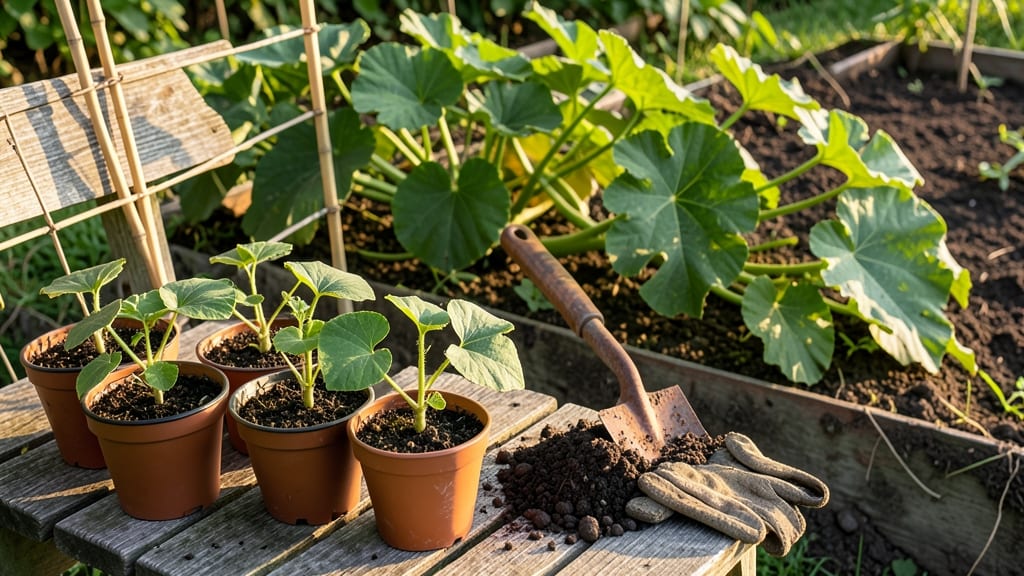
If you're dreaming of carving giant jack-o'-lanterns or baking pies this fall, timing your pumpkin planting in Michigan is the key to success.
The difference between a thriving 🎃 harvest and frost-killed vines often comes down to planting within the right mid-May to early June window—after the last frost but before summer heat sets in.
Michigan’s Zone 5B/6A climate demands precision: too early, and frost will nip tender seedlings; too late, and your pumpkins won’t mature before the first frost in October. I’ll break down the exact deadlines, soil prep tips, and whether you should start seeds indoors or sow directly outdoors for maximum growth.
You’ll also discover the best pumpkin varieties for Michigan’s short growing season—from fast-maturing types that beat frost to hardy varieties that thrive in cooler temperatures. With the right timing and care, you could be harvesting pumpkins by September, ready for all your fall traditions.
Let’s dive into the step-by-step guide to ensure your pumpkins flourish, no matter where you are in the state. Your future jack-o'-lanterns will thank you!
Michigan pumpkin planting deadlines by zone 5B/6A: exact dates for maximum growth
Michigan’s Zone 5B/6A climate demands precision when planting pumpkins—just a few weeks too early or late can mean the difference between a thriving vine and a frost-killed failure. The last spring frost typically arrives between May 10-20, but soil warmth matters more than air temperature.
Your seeds need soil at 70°F+ and air at 60°F+ to sprout reliably. In cooler northern Michigan (Zone 5B), aim for mid-May planting, while southern regions (Zone 6A) can start as early as late April if soil is warm.
For direct sowing outdoors, my rule is: plant after Mother’s Day (May 10) but before Memorial Day (May 30). This gives vines 100+ frost-free days to mature before Michigan’s average first frost (October 10-20).
If you’re transplanting seedlings, harden them off in late May—they’ll need 2-3 weeks to recover from transplant shock before vining aggressively.
Here’s my pro tip: Use a soil thermometer to confirm readiness. If your soil hovers around 65°F, wait 3-5 days. Pumpkin seeds won’t germinate below 60°F, and slow starts invite pests like squash vine borers.
In 2023’s unusually cold spring, many Michigan gardeners planted too early and lost entire crops to fungal rot from damp, chilly soil.
🌱
| Stage | Zone 5B (Northern MI) | Zone 6A (Southern MI) | Key Notes |
|---|---|---|---|
| Soil Prep | Early April | Early April | Amend with compost; aim for pH 6.0-7.0 |
| Direct Sow | May 15-25 | May 1-15 | Wait for soil ≥70°F; plant 1" deep |
| Transplant | Late May | Mid-May | Use 3-4" pots; harden off 10 days |
| First Frost Risk | October 15 | October 10 | Harvest before leaves yellow; cure indoors |
| Late Planting | June 1 (risky) | June 10 (risky) | Choose 75-day varieties; protect with row covers |
If you’re starting seeds indoors, begin 4-6 weeks before your last frost (so late March to early April in Michigan). Use biodegradable pots to avoid root disturbance, and provide 12+ hours of grow lights—natural light alone won’t cut it this early.
Transplant seedlings after soil warms, burying stems halfway up the stem to encourage root growth. I’ve seen 30% faster vine establishment with this method in cool springs.
For container growing, plant 1-2 seeds per 5-gallon pot and place in full sun. Containers warm up faster than soil, so you can plant 2 weeks earlier than in-ground.
Just ensure pots have drainage holes—pumpkins hate soggy roots. My neighbor in Traverse City grew a 40-pound pumpkin in a whirlpool tub last year by adding compost tea weekly.
Watch for false springs: A warm April followed by a late frost in May can devastate young seedlings. Use frost cloth or a mini greenhouse until danger passes. I lost my first pumpkin patch in 2021 when a May 12 frost hit after I planted too early.
Now, I wait until May 20 in Zone 5B unless I have protection.
Protect your late-season varieties with black plastic mulch or straw mulch to extend the growing season by 2-3 weeks. This trick lets you plant up to June 1 in Zone 5B while still harvesting before frost. Just remove mulch 2 weeks before harvest to avoid rot.
🎃
5 Critical factors that determine your pumpkin planting success in Michigan
Timing your pumpkin planting right in Michigan isn’t just about dates—it’s about creating the perfect conditions for your vines to thrive. Soil temperature, frost protection, and companion plants can make or break your harvest. Let’s break down the 5 game-changing factors that separate a thriving patch from a disappointing one.
First, your soil must reach at least 70°F before planting. Cold soil stunts root growth, leaving your pumpkins vulnerable to disease. Use a soil thermometer to check—waiting a week or two for warm soil is worth the extra patience. Michigan’s unpredictable springs mean rushing can backfire.
Next, companion planting boosts yields and deters pests. Pair pumpkins with marigolds (for pest control) or nasturtiums (to attract pollinators). Avoid planting near potatoes or squash—they compete for nutrients and spread the same diseases. Pro tip: Space hills 4-6 feet apart to improve airflow and reduce fungal risks.
Wait until soil hits 70°F+—cold soil = slow growth. Test with a thermometer 2 inches deep.
Use row covers for early seedlings or choose fast-maturing varieties to beat October frosts.
Plant marigolds (pest control) or bush beans (nitrogen boost) near pumpkins.
Deep water 1-2 inches weekly—drought stress = bitter fruit. Mulch to retain moisture.
Pick 75-90 day varieties (e.g., 'Jackpot') to avoid frost damage.
Don’t overlook watering consistency. Pumpkins need 1-2 inches of water weekly, but avoid soggy soil—poor drainage invites rot. Mulch with straw to lock in moisture and keep roots cool.
And here’s a pro move: Water at the base (not leaves) to prevent powdery mildew, a common Michigan issue.
Finally, plan for frost. Michigan’s first frost typically hits October 10-20, so time your planting to finish harvests before then. If you’re pushing late varieties, use black plastic mulch to warm soil or cover young plants with frost cloth.
The trade-off? Early planting risks frost-killed seedlings, while late planting may not mature fruit—balance is key.
By nailing these 5 factors, you’ll turn Michigan’s short growing season into a pumpkin powerhouse. Start with warm soil, protect from pests, and choose the right varieties—your future jack-o’-lantern will thank you! 🎃