
Companion Plants
Timing your pumpkin planting in Ohio can mean the difference between a golden harvest and a sad, wilted vine. With last frost dates creeping in around mid-April and soil needing to hit 60°F before seeds go in, getting it right is key.
Ohio’s USDA Zone 6a climate means pumpkins (🎃) thrive best when planted between late May and early June—just as the ground warms up. But don’t rush: cooler springs or Lake Erie’s chilly breezes can delay your window, so knowing your microclimate matters.
Whether you’re starting seeds indoors or sowing directly, this guide breaks down the exact dates for Ohio’s diverse regions. Learn how to adjust for late frosts, pick the right varieties, and avoid common mistakes that waste your effort.
Ready to grow pumpkins that outshine the neighbors’? Let’s dive into the perfect planting schedule for your Ohio garden.
Ohio’s pumpkin planting calendar: frost-free heat zones explained
Ohio’s diverse climate—from the chilly Lake Erie shorelines to the warmer Appalachian foothills—means pumpkin planting dates vary dramatically. The USDA zones 5-8 across the state create distinct microclimates where last-frost dates can differ by weeks.
For example, Toledo (Zone 6a) typically sees its final frost around April 15, while Athens (Zone 7a) may wait until May 1. Understanding these zones is key to avoiding frost damage and maximizing your 90-120 day growing season.
Pumpkins thrive in warm soil (at least 60°F/15°C) and frost-free conditions. Planting too early risks seed rot or stunted growth, while waiting too long shortens your harvest window.
Ohio’s first frost often arrives in mid-October, leaving gardeners with just 165 frost-free days—perfect for fast-maturing varieties like ‘Sugar Pie’ (85 days) but challenging for giant types like ‘Atlantic Giant’ (120+ days).
Here’s how Ohio’s USDA zones break down for pumpkin planting:
| Zone | Last Frost Date | Ideal Planting Window | Soil Temp Threshold | Best Varieties |
|---|---|---|---|---|
| 5a/5b (Northeast Ohio) | April 20–May 5 | May 15–June 1 | 60°F+ (15°C+) | ‘Jack Be Little’, ‘Waltham Butternut’ |
| 6a/6b (Central Ohio) | April 15–April 30 | May 1–May 15 | 60°F+ (15°C+) | ‘Sugar Pie’, ‘Cinderella’, ‘Howden’ |
| 7a/7b (Southern Ohio) | April 1–April 15 | April 20–May 10 | 55°F+ (13°C+) | ‘Atlantic Giant’, ‘Giant Tennessee’, ‘Long Island Cheese’ |
For Zone 5 gardeners, consider black plastic mulch or row covers to warm soil faster. In Zone 7, you can even try late summer plantings (July) for a fall harvest before frost.
Always use a soil thermometer—pumpkin seeds won’t sprout below 60°F (15°C), even if frost risk has passed.
Ohio’s Lake Erie region deserves special attention. Areas like Sandusky experience delayed warming due to lake breezes, pushing ideal planting dates 2 weeks later than inland zones. Conversely, Appalachian valleys (e.g., Athens) can plant 3 weeks earlier thanks to warmer microclimates.
Use local Cooperative Extension frost data or Almanac averages to fine-tune your schedule.
Pro tip: Start seeds indoors 2–3 weeks before your zone’s last frost date if using transplants. Pumpkin seedlings are delicate and transplant poorly, so direct sowing after soil warms is often better.
Harden off seedlings gradually by placing them outdoors for 2–3 hours daily starting 1 week before transplanting.
If you’re in Zone 6 or cooler, prioritize fast-maturing varieties (under 90 days) to avoid frost. For Zone 7, you can experiment with longer-season varieties like ‘Mammoth Melon’ (120 days), but monitor weather forecasts closely.
A late May heatwave can push your harvest window forward, while a June cold snap may delay it.
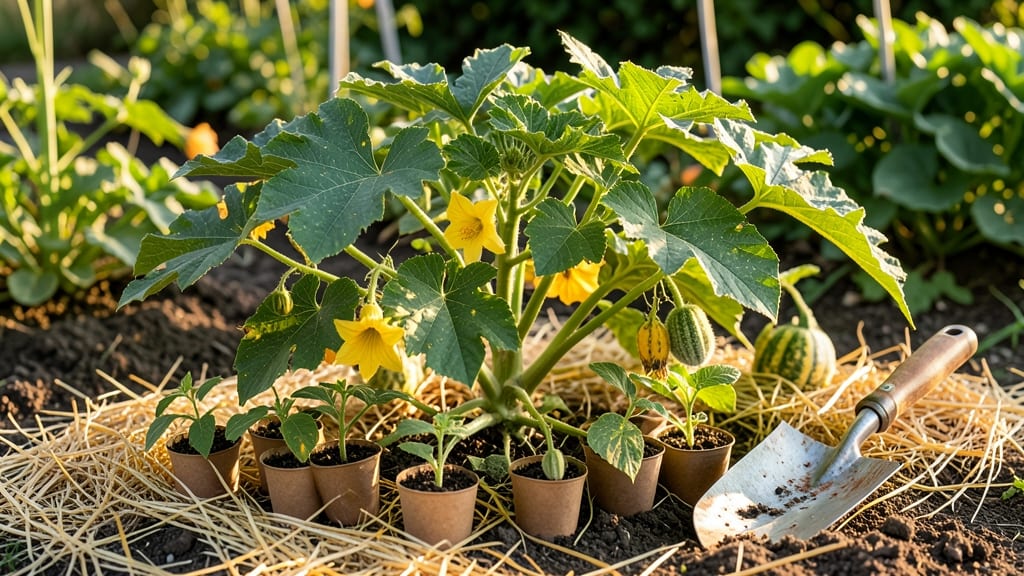
Remember: Ohio’s humidity and summer heat create ideal conditions for pumpkins, but powdery mildew is a common threat. Space plants 4–6 feet apart for airflow and apply neem oil preventatively. Mulch with straw to retain moisture and suppress weeds—critical in Ohio’s competitive weed growth.
🎃
How to adjust pumpkin planting for Ohio’s unpredictable weather patterns
Ohio’s spring frost risks can derail even the most eager pumpkin grower. While the average last frost date is around April 15, late frosts in zones 5-6 (like Cleveland or Columbus) can linger until May 10.
That’s why I always plan for backup planting windows—because Mother Nature doesn’t follow a schedule.
For northern Ohio, where USDA Zone 5 dominates, I recommend starting seeds indoors 3-4 weeks before your target outdoor date. Use biodegradable pots to avoid transplant shock when moving seedlings to the garden.
If you’re direct-sowing, wait until soil temperatures hit 60°F (15°C)—usually late May—even if that means missing the traditional "spring planting" window.
In southern Ohio (Zones 6-7), like in Cincinnati or Chillicothe, you’ve got more flexibility. You can plant as early as mid-April if you’re using row covers or a cold frame.
But don’t get overconfident—June frosts do happen, especially near Lake Erie. I always keep a frost cloth handy for those just-in-case moments.
⚠️ Late Frost Warning
If a hard freeze hits after planting, pumpkin seedlings can wilt and die within days. To protect them:
- Use row covers or black plastic mulch to warm soil faster.
- Plant cold-hardy varieties like ‘Jack Be Little’ (tolerates temps down to 25°F).
- Avoid planting near low-lying areas where cold air pools.
For extended heatwaves, which Ohio is no stranger to, I switch to shade cloth during the hottest afternoons (12-4 PM). Pumpkins need consistent moisture, and sudden dry spells can cause blossom drop or poor fruit set.
I also mulch heavily with straw to retain soil moisture and keep roots cool. If you’re in southeastern Ohio, where humidity is higher, opt for disease-resistant varieties like ‘Howden’ to avoid powdery mildew.
If you’re in a high-risk frost zone, consider a two-part planting strategy: sow a small batch indoors in early April and a larger batch outdoors in late May. This way, you’ve got insurance against late frosts while still maximizing your harvest.
For direct-sown seeds, I plant in hills (6 seeds per mound) to create microclimates that warm up faster.
Finally, keep an eye on local weather forecasts and use Ohio State Extension’s frost prediction tools. I’ve learned the hard way that April showers can bring May frosts, and those delicate pumpkin seedlings won’t survive a 32°F night.
With these adjustments, you’ll turn Ohio’s unpredictable weather into an advantage—not a setback.