
Companion Plants
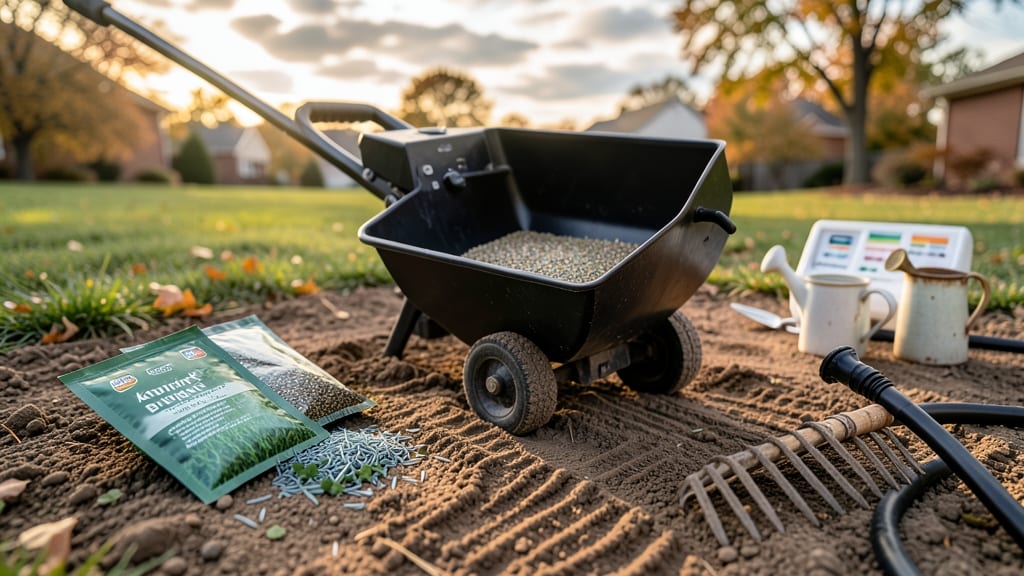
Timing your grass seed planting in Michigan can feel like guessing—too early and frost zaps your progress, too late and weeds take over. But there’s a sweet spot that guarantees thick, vibrant grass year-round, and it starts with understanding your local climate.
Michigan’s 5b-6b zones mean your neighbors in Detroit might plant earlier than those in Traverse City, but both can benefit from the same core principles: soil temperature, frost dates, and seasonal rainfall. Early spring (March-April) or early fall (August-September) are your best bets, but the devil’s in the details.
I’ll break down exactly when to plant based on your region, how to prep your soil for maximum success, and which grass varieties thrive in Michigan’s unpredictable weather. Skip the guesswork—let’s get your lawn growing the right way.
Whether you’re seeding a new yard or overhauling an old one, these insights will save you time, money, and frustration. Ready to transform your patchy grass into a lush carpet? Let’s dive in.
Best months to plant grass seed in Michigan by region
Michigan’s cool-season climate makes spring and fall the ideal times to plant grass seed, but exact timing depends on your region. Northern Michigan (USDA zones 4b-5a) has shorter growing seasons, while Southern Michigan (zones 5b-6a) enjoys warmer springs and falls.
Let’s break down the best planting windows to avoid frost damage and maximize germination.
In Northern Michigan, aim for late April to mid-May in spring or mid-August to early September in fall. Southern Michigan gardeners have more flexibility, with March to early April and late August to October as safe planting windows.
The key is planting after the last frost date and before soil temperatures drop below 50°F.
Here’s how Michigan’s regional differences impact your planting schedule:
| Region | Spring Planting Window | Fall Planting Window | Soil Temp. Threshold | Key Consideration |
|---|---|---|---|---|
| Northern Michigan (USDA 4b-5a) | Late April – Mid-May | Mid-August – Early September | 50–60°F | Shorter frost-free season; prioritize fall planting |
| Southern Michigan (USDA 5b-6a) | March – Early April | Late August – October | 50–60°F | Longer growing season; spring planting possible earlier |
| Both Regions | Avoid planting after June 15 | Stop planting by October 1 | N/A | Prevent summer drought stress or winter kill |
Fall planting is often preferred in Michigan because cooler temperatures reduce weed competition and drought stress. Seeds sown in late summer have time to establish roots before winter, resulting in a thicker, greener lawn the following spring.
If you choose spring planting, start as soon as the soil is workable—typically 2–3 weeks after the last frost.
Check your local frost dates using the Michigan State University Extension frost calendar or plant when daytime highs consistently reach 60°F. In Northern Michigan, this might mean waiting until mid-May, while Southern Michigan can start as early as March in milder years.
Always test your soil temperature with a soil thermometer—ideal germination occurs between 50–60°F. Planting too early in cold soil can delay sprouting, while waiting too long risks summer heat stress or weed takeover.
For best results, align your planting with Michigan’s rainfall patterns: aim for 1–1.5 inches of rain weekly after seeding.
Pro tip: Use a starter fertilizer with high phosphorus (e.g., 5-10-5) to boost root growth. In Northern Michigan, apply a light mulch (like straw) to protect seeds from late spring frosts. In Southern Michigan, shade young seedlings if summer temperatures exceed 90°F.
Remember, Kentucky bluegrass and tall fescue (common Michigan varieties) thrive when planted in cool, moist conditions. Avoid planting during drought periods or when soil is waterlogged, as both conditions stunt germination.
With the right timing, your lawn will establish a dense root system before winter, setting you up for success in Season 2.
How to prepare your Michigan lawn for fall vs. spring planting
Michigan’s cool-season climate means your grass seed prep should differ between spring and fall planting. Spring planting requires early soil warming and weed control, while fall planting benefits from cooler temperatures and natural moisture retention. Both seasons demand careful soil prep to ensure optimal germination and long-term lawn health.
Start by testing your soil pH—Michigan’s clay-heavy soils often need lime adjustment (aim for 6.0–7.0 pH). For spring planting, apply compost or aged manure in early March to boost organic matter. In fall, focus on aeration (late August) to relieve compaction from winter thawing and summer foot traffic.
Spring Prep Timeline
- Early March: Apply pre-emergent herbicide to block weeds (reapply in May).
- Mid-April: Rake thatch layer (≤½ inch thick) and loosen soil with a garden rake.
- Late April: Spread starter fertilizer (high phosphorus) and seed within 24 hours.
Fall Prep Timeline
- Late August: Aerate with a core aerator (remove plugs) to improve water/air penetration.
- Early September: Overseed with fine fescue or ryegrass for winter hardiness.
- Mid-September: Apply winterizer fertilizer (low nitrogen) to strengthen roots before frost.
For both seasons, remove debris (leaves, branches) before seeding to prevent moisture loss and disease. In spring, watch for late frosts—cover new seedlings with frost cloth if temperatures dip below 40°F. Fall planting avoids this risk, but seedlings need consistent moisture until dormancy in November.
Pro tip: Use a soil thermometer to confirm 50–60°F soil temps before planting. Cool, damp soil in fall (ideal for germination) contrasts with warm, dry spring conditions—adjust your watering schedule accordingly (1 inch/week for spring, ½ inch/week in fall).
After seeding, apply a thin layer of straw mulch (¼ inch) to retain moisture and protect seeds from bird foraging. Avoid heavy foot traffic for 4–6 weeks to prevent seed displacement. With proper prep, your Michigan lawn will establish deep roots and outcompete weeds naturally.
🌱