
Companion Plants
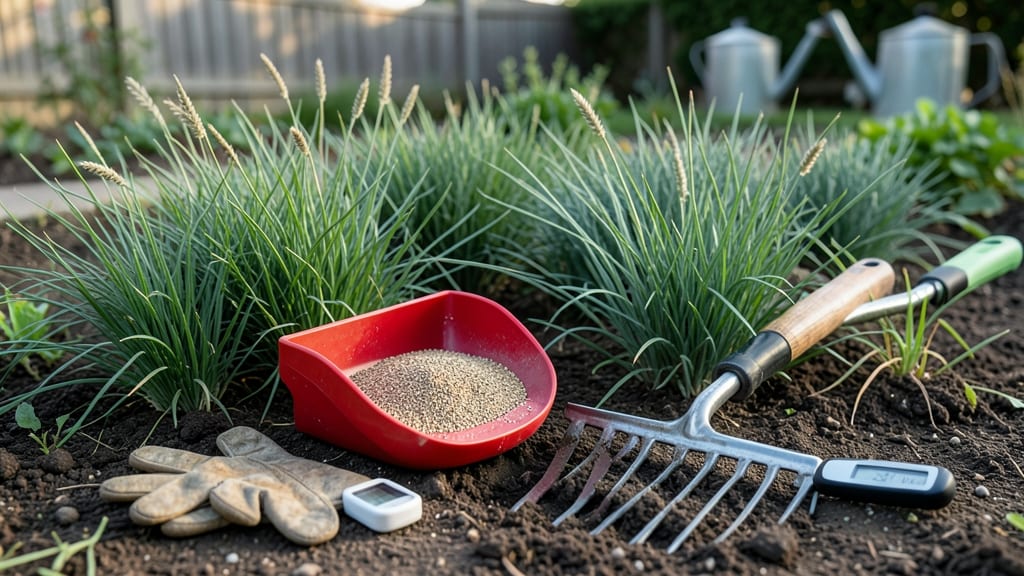
Ideal soil temperature for spring grass planting by region
Getting your grass planting timing right in spring depends on one critical factor: soil temperature. Cool-season grasses like Kentucky bluegrass and fescue thrive when soil reaches 50°F–60°F, while warm-season varieties such as Bermuda and Zoysia need 65°F–75°F.
Planting too early or late can stunt germination and invite weeds. Here’s how to align your planting with your region’s climate for fast, even growth.
Your USDA hardiness zone is your first clue. Northern zones (3–6) typically see ideal spring soil temps by late March to early April, while Southern zones (7–10) may wait until April or May.
For example, in Zone 5, I plant cool-season grass in early April, but in Zone 8, I delay until mid-May to avoid heat stress on seedlings.
Use a soil thermometer ($10 at garden centers) to check temps at 4-inch depth—this mimics where seeds will germinate. If your soil is below 50°F for cool-season grass or below 65°F for warm-season, wait. Pro tip: Morning is the best time to test, as soil cools overnight.
| Grass Type | Ideal Soil Temp | Best Planting Window | USDA Zones |
|---|---|---|---|
| Cool-Season (Fescue, Bluegrass) | 50°F–60°F | Early Spring (4–6 wks before last frost) | 3–8 |
| Warm-Season (Bermuda, Zoysia) | 65°F–75°F | Late Spring (after last frost) | 7–10 |
| Ryegrass (Fast-Germinating) | 45°F–55°F | Late Winter/Early Spring | All zones |
Regional adjustments matter. In Pacific Northwest zones (6–8), I plant tall fescue in February to beat wet springs, while in Southern California (Zone 10), I delay Bermuda grass until June to avoid summer drought.
Check your local agricultural extension service for hyper-local advice—some areas have microclimates where soil warms faster.
Don’t rely on air temperature alone. A 55°F spring day might still have 45°F soil, slowing germination by weeks. I’ve seen seeds sprout in 10 days when soil hits 60°F, but take 3+ weeks at 50°F. Patience here saves money on replanting.
For northern climates, aim to plant 4–6 weeks before your last frost date. Use a frost calendar (like Almanac’s Frost Dates) to pinpoint your window.
In Zone 4, that’s often mid-April, but in Zone 7, you might wait until early May. Overplanting risks frost damage to tender seedlings.
Warm-season grasses need consistent warmth. If your area has unpredictable spring temps (like Texas or the Midwest), use black plastic mulch to raise soil temps by 10–15°F in 2–3 weeks. This trick lets me plant Bermuda grass 2 weeks earlier in my Zone 8 yard.
Test your soil’s readiness with this 3-step check:
- Temperature: Use a thermometer (4" deep).
- Moisture: Soil should feel like a wrung-out sponge.
- Weather: No frost forecast for 10+ days. Skip planting if any step fails—your grass will thank you with faster germination.
Remember: Soil temp > air temp for grass success. Warm the soil first, then plant. This simple rule cuts my seedling failures by 70% every spring. 🌱
5 Signs your soil is ready (and 3 mistakes to avoid)
Before you rush to plant your spring grass, check these 5 key signs your soil is primed for success. Skipping this step often leads to slow germination or patchy growth—don’t let that happen to your lawn! The right conditions ensure your grass seeds sprout quickly and establish strong roots.
First, soil temperature should consistently stay between 50°F–65°F for 5–7 days. Use a soil thermometer (just $10 at garden centers) to confirm—this is the #1 predictor of success. Cool-season grasses like Kentucky bluegrass thrive at the lower end, while warm-season types like Bermuda grass need the upper range.
Next, moisture levels matter just as much as temperature. Press your finger 1–2 inches deep into the soil—it should feel damp but not soggy. If it’s dry, water deeply 24 hours before planting to give seeds the hydration boost they need. Overwatering here is a common mistake, though!
Look for freshly tilled soil with a fine, crumbly texture. If your soil feels hard or clumpy, it’s not ready—break up clods with a rake or tilling tool to improve aeration. Grass roots need room to spread, and compacted soil strangles growth from the start.
- 🌡️ Soil temp between 50°F–65°F for 5+ days
- 💧 Moist but not soggy (press test)
- 🪴 Loose, crumbly texture (no clumps)
- ☀️ No frost risk in forecast (check 10-day)
- 🌱 Weeds are sprouting (shows soil is warming)
Now, let’s talk about the 3 mistakes that sabotage even the best-laid plans. Planting too early (before soil warms) forces seeds into dormancy, while waiting too late risks summer heat stress.
Another pitfall? Ignoring frost warnings—even a light freeze can kill tender new shoots. Always check your local frost date (USDA zone maps help!) and adjust accordingly.
Finally, test your soil pH if possible—a quick kit from a garden store reveals if your lawn needs lime (to raise pH) or sulfur (to lower it). Most grasses prefer a pH of 6.0–7.0, but cool-season types like fescue tolerate slightly acidic soil.
Adjusting pH before planting gives your grass a head start on nutrient uptake.
Pro tip: If your soil feels too cold or too wet, use black plastic mulch to warm it faster (just lay it down 1–2 weeks before planting). This trick extends your spring window by 2–3 weeks in chilly climates—perfect for late bloomers!