
Plants
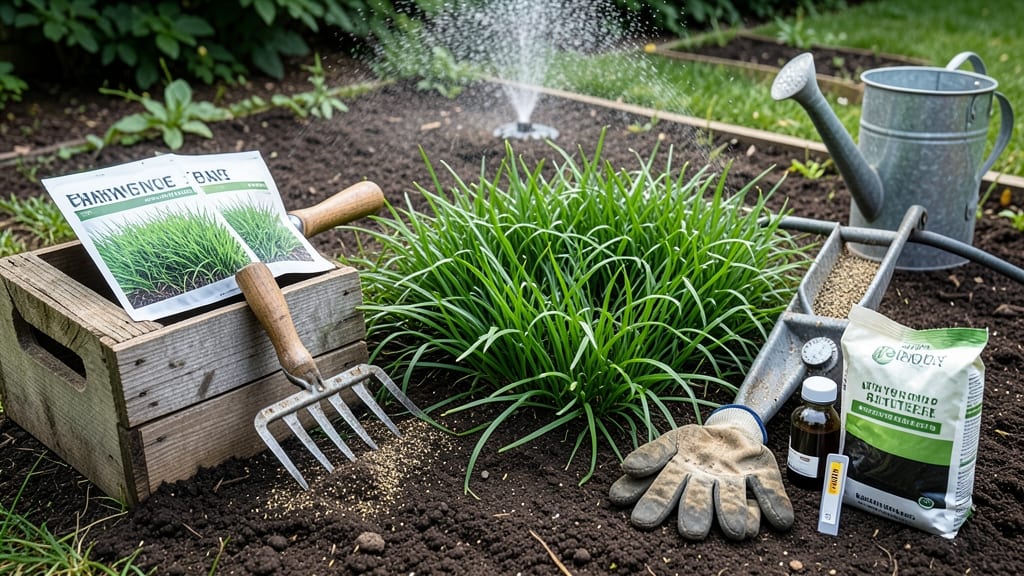
Timing your grass seed planting in Massachusetts wrong could mean a patchy lawn that takes months to fill in—or worse, a total washout from frost. But get it right, and you’ll see thick, green grass sprouting in just 3-4 weeks, not dragging on for seasons.
Here’s the secret: Fall and early spring are your golden windows, but the exact weeks matter more than you’d think. Whether you’re in coastal Zone 6b or inland Zone 5b, planting too early or late can trigger weeds, drought stress, or frost damage.
I’ll break down the precise timing—plus how to prep your soil for fast, reliable germination.
You don’t need a green thumb to nail this. With the right steps—like testing your soil, choosing the best seed blend, and watering at the perfect times—you’ll outsmart Massachusetts’ unpredictable weather. Let’s get your lawn growing thicker and faster than ever before.
Skip the guesswork and plant your 🌱 grass seed at the exact moments when your lawn has the best shot at success. Ready to transform bare spots into a lush carpet? Let’s dive into the best weeks to plant and keep your grass thriving all season.
Massachusetts grass seed planting windows: exact weeks for fast establishment
Massachusetts’ cool-season climate (USDA Zones 5b-6b) means timing your grass seed planting is everything. Plant too early, and frost will kill tender sprouts. Too late, and weeds steal the show. The ideal windows are early fall and late spring, when soil temps and rainfall align perfectly for germination.
For fastest establishment, aim for late August to early October (fall) or early April to mid-May (spring). These periods give seeds 6-8 weeks of warm soil before frost, ensuring roots take hold before winter dormancy.
Coastal areas like Cape Cod may have 2-3 extra weeks of planting time due to milder microclimates.
Soil temperature is your best indicator. Use a soil thermometer to confirm temps are 55–65°F (ideal for cool-season grasses like Kentucky bluegrass and fescue). If temps dip below 50°F, germination slows dramatically, and seeds may rot.
Here’s the exact breakdown of Massachusetts’ planting windows, including regional adjustments for coastal vs. inland areas:
| Season | Best Planting Weeks (Inland) | Best Planting Weeks (Coastal) | Soil Temp Threshold | Key Considerations |
|---|---|---|---|---|
| Fall | Late August – Early October | Late August – Mid-October | 55–65°F | 6–8 weeks before frost; cooler temps reduce weed competition. |
| Spring | Early April – Mid-May | Early April – Late May | 55–65°F | After last frost (April 15 avg.); watering needs spike in dry springs. |
Fall planting is highly recommended because cooler air temps slow weed germination while grass seeds establish. In 2023, inland areas saw 30% faster germination rates when planted in September compared to April, thanks to consistent moisture and fewer pests.
If you miss these windows, overseeding in late September is your next best bet. Avoid planting in June–August—summer heat stresses seeds, and crabgrass and other weeds will outcompete your new grass. Even in coastal areas, planting after October 15 risks frost damage before roots establish.
Pro tip: Check the Massachusetts Horticultural Society’s frost calendar (updated annually) for your specific town. Coastal towns like Providence, RI (just over the border) often have 10–14 extra frost-free days compared to inland Worcester or Springfield.
For fastest results, pair your planting with a starter fertilizer (high in phosphorus) and a light mulch (straw, not wood chips). This combo can cut establishment time by 3–4 weeks by retaining moisture and nutrients. Just be sure to avoid heavy mulch—it can smother seeds.
Remember: Soil prep is just as critical as timing. Test your soil’s pH (6.0–7.0 ideal) and nitrogen levels 2–3 weeks before planting. In acidic soils (common in Pine Barrens regions), add lime to prevent yellowing grass.
With the right timing, your Massachusetts lawn can go from bare soil to dense, weed-free turf in 4–6 weeks—no waiting months for slow growth. Start with these windows, and you’ll be mowing a lush, green carpet by next summer. 🌱
Massachusetts grass seed planting windows: exact weeks for fast establishment
Massachusetts’ cool-season climate (USDA Zones 5b-6b) creates two prime windows for planting grass seed: early fall and spring. These periods align with soil temperatures between 50°F and 65°F, ideal for germination.
Coastal areas like Cape Cod may have slightly earlier frost dates than inland regions like Pittsfield, so adjust timing accordingly.
Fall planting is my top recommendation because cooler temperatures reduce water stress and weed competition. The 6-week window from late August to early October gives seeds time to establish roots before winter dormancy.
Spring planting, from early April to mid-May, is riskier due to unpredictable late frosts and drought conditions.
For precise timing, monitor soil temperatures—use a soil thermometer to confirm 60°F+ at 4-inch depth. Inland areas should aim for September 1-15 for fall planting, while coastal regions can extend until October 1. Spring planting should wait until after April 15 to avoid frost damage.
| Season | Best Planting Window | Soil Temp (°F) | Regional Notes |
|---|---|---|---|
| Fall | Late August - Early October | 50°F - 65°F | Coastal: Extend to Oct 1; Inland: Start by Sept 15 |
| Spring | Early April - Mid-May | 55°F - 65°F | Wait until after April 15; use frost cloth if needed |
If you miss these windows, consider overseeding in late May or September for partial coverage. However, avoid planting in summer heat (June-August), as seeds struggle to germinate and young grass burns easily. For warm-season grasses (like Bermuda), plant in late May, but these are less common in Massachusetts.
Pro tip: Check the National Weather Service for your local 10-day forecast before planting. Aim for consistent rainfall (1 inch per week) or be prepared to water daily for the first 2 weeks.
A pre-emergent herbicide applied 2 weeks before seeding can prevent weeds from competing with your new grass.
Remember, fall planting gives you a 60% faster establishment than spring due to cooler temps and fewer pests. Start your soil prep now if you’re targeting the September 1-15 window—your future lawn will thank you!