
Plants
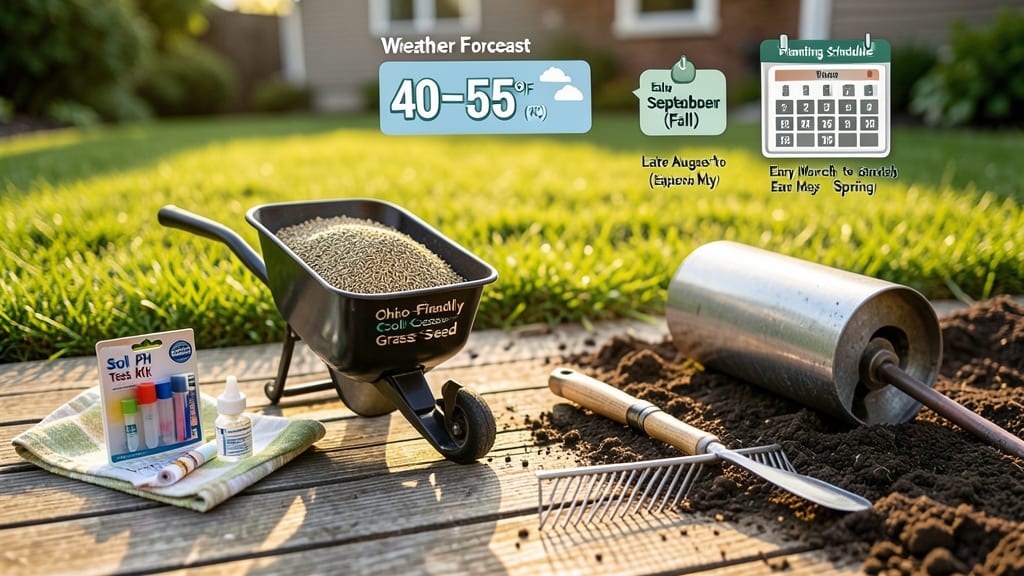
Planting grass in Ohio isn’t just about grabbing seed and scattering it—timing is the game-changer that separates a lush, green lawn from a patchy, frustrating mess.
With Ohio’s infamous late frosts and shifting soil temperatures, even the most eager gardeners can end up with wasted effort if they plant too early or too late.
The best time to plant grass in Ohio actually depends on more than just the calendar—it’s about soil temperature, your specific microclimate, and avoiding those sneaky April frosts that can kill tender seedlings.
Whether you’re in northern Ohio’s cooler zones or southern Ohio’s milder regions, getting this right means the difference between a thriving lawn and a second try next year.
In this guide, I’ll break down the exact windows for early spring and early fall planting, when your soil is finally warm enough to support strong root growth, and how to adjust for Ohio’s 12 distinct microclimates. No more guessing—just science-backed timing to give your grass the best possible start.
You’ll also discover pro tips for extending your planting window, like using row covers or black plastic mulch, and how to spot when your soil is truly ready (hint: it’s not just about the date on your calendar).
Let’s get your lawn off to the right start—without the risk of frost damage.
Ohio grass planting timeline: soil temperature & frost-free date guide
Ohio’s grass planting success hinges on two critical factors: soil temperature and frost-free dates. Unlike warmer climates, Ohio’s USDA Zone 6a demands precision—planting too early risks frost damage, while delaying too long lets weeds take over.
The sweet spot? Soil temps between 50°F and 65°F, which typically aligns with early spring (March-April) and early fall (September-October) windows.
But here’s the catch: Ohio’s regional frost patterns vary wildly. Northern Ohio (e.g., Cleveland, Toledo) often sees last frosts after April 15, while southern Ohio (e.g., Cincinnati, Columbus) may be frost-free by mid-April.
Appalachian zones like Athens can lag until late May. Without this regional context, even the most eager gardener can end up with frost-killed seedlings or summer heat stress.
Below, I’ve broken down Ohio’s planting windows by region, soil temperature thresholds, and actionable deadlines to help you avoid common mistakes. For example, in northwest Ohio, planting Kentucky bluegrass in late April might seem safe—but a May frost can wipe out your progress.
The solution? Use black plastic mulch to warm soil faster or opt for fall planting when temperatures stabilize.
Fall planting in Ohio offers a second chance for a lush lawn, but timing is just as critical. Aim to plant 4-6 weeks before your region’s first frost (typically September-October). For example, in northeast Ohio, this means late August to mid-September.
The goal? Let grass establish 4-6 weeks of root growth before winter dormancy. If you plant too late (e.g., after October 1), seedlings may not harden off before frost, leading to weak spring recovery.
One of my biggest mistakes was planting tall fescue in early November in Columbus—it survived the winter but struggled to bounce back in spring. The fix? Test soil temps (aim for 60°F+) and use starter fertilizer to boost early root development.
For warm-season grasses like Bermuda or Zoysia, wait until after Memorial Day when soil temps exceed 70°F.
Ohio’s microclimates can shift planting windows by 2-4 weeks. For instance, urban areas like Cleveland’s downtown experience earlier soil warming due to concrete heat absorption, while rural farmland may stay cooler longer.
To adapt, monitor local weather forecasts (like the 28-day frost prediction) and adjust your schedule accordingly. If you’re in a Lake Erie shoreline zone, expect cooler, slower soil warming—delay planting by 1-2 weeks compared to inland areas.
For emergency planting (e.g., late frosts or missed windows), use row covers or black plastic mulch to create a 5-10°F warmer microclimate. I’ve successfully planted perennial ryegrass in mid-April under row covers in Toledo, then removed them after the last frost.
Just remember: Remove covers before temperatures exceed 80°F to avoid overheating.
Finally, grass seed types play a role in timing. Cool-season grasses (like Kentucky bluegrass) thrive when planted in spring or fall, while warm-season grasses (like centipede) need summer heat. In Ohio, mix cool-season seeds
How to adjust planting time for Ohio’s microclimates & grass seed types
Ohio’s diverse geography means your neighbor’s perfect planting window might not work for you. The state’s 12 distinct microclimates—from Lake Erie’s coastal breezes to Appalachian valleys—create wildly different conditions. Even a 5-mile difference can shift your ideal planting date by 2-3 weeks.
For example, Toledo’s warmer lake-effect zones can support early spring planting in mid-March, while rural Appalachian counties may need to wait until late April.
Your grass seed type also dictates timing. Cool-season grasses (like Kentucky Bluegrass and Fescue) thrive in Ohio’s climate and should be planted in early spring or fall when soil temps hover between 50-65°F. Warm-season grasses (like Bermuda or Zoysia) prefer late spring after frost risk passes—typically mid-May to June.
Mixing these wrong can lead to weak establishment or summer burnout.
Here’s how to customize your approach based on local conditions:
| Microclimate Zone | Ideal Planting Window | Grass Type Fit | Adjustment Tip |
|---|---|---|---|
| Lake Erie Shorelines (Toledo, Cleveland) | Early Spring: Mid-March / Fall: Mid-September | Cool-season (Tall Fescue, Perennial Ryegrass) | Use row covers for 2-3 weeks to warm soil faster. |
| Urban Heat Islands (Columbus, Cincinnati) | Spring: Late April / Fall: Early October | Heat-tolerant cool-season (Fine Fescue) or warm-season (Zoysia) | Plant warm-season mixes in black plastic mulch to retain moisture. |
| Appalachian Foothills (Athens, Zanesville) | Spring: Late April / Fall: Mid-September | Cold-hardy cool-season (Kentucky Bluegrass) | Wait for soil temp >60°F—colder nights delay germination. |
| Rural Farmland (Northern Ohio) | Spring: Early May / Fall: Early September | Drought-resistant (Buffalo Grass blends) | Test soil depth-wise—top 2" must be 55°F+ for 7+ days. |
For early starts, use black plastic mulch or row covers to warm soil by 5-10°F. In northern Ohio, these can push your planting window 3 weeks earlier without frost risk. Just remove covers immediately after germination to avoid overheating.
If you’re in a transition zone (like central Ohio), opt for mixed seed blends that include both cool and warm-season grasses. This creates a buffer zone where early cool-season growth transitions smoothly into warm-season dominance by summer.
For example, a 70% Tall Fescue + 30% Zoysia mix works well in Franklin County.
Pro tip: Check your local USDA Plant Hardiness Zone (Ohio ranges from 5b to 6b) and adjust by 1 zone if you’re in a valley or urban pocket. For instance, a Zone 6a area might plant 2 weeks later than a Zone 6b neighbor just 5 miles away.