
Plants
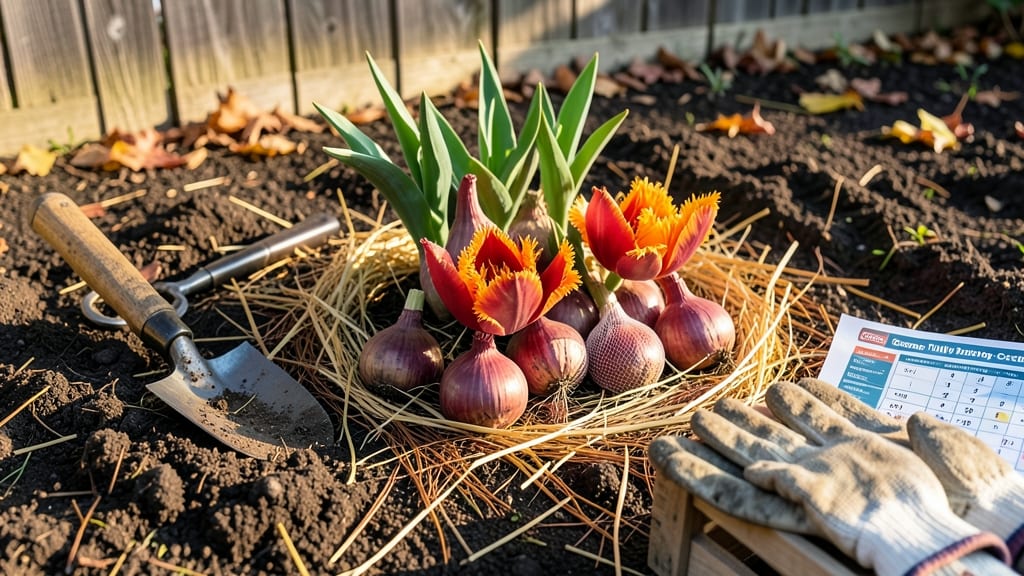
Planting tulips in Georgia isn’t just about digging a hole—it’s about matching your bulbs to the state’s tricky chill hours and unpredictable fall weather. 🌷 Too early, and your tulip bulbs might rot; too late, and they’ll miss the critical cold snap they need to bloom.
With USDA zones 7b-8a throwing curveballs like mild winters and sudden freezes, timing is the game-changer between a dazzling spring display and a bust.
Most gardeners in Georgia plant tulips between October and December, but the real secret lies in your variety’s chill-hour needs. Some tulips thrive with just 400 hours of cold, while others demand 1,600+ hours—and Georgia’s climate can swing wildly between the two.
Whether you’re in Atlanta’s cooler microclimate or Savannah’s milder zone, knowing when to tuck those bulbs into the soil could mean the difference between bold blooms and disappointment.
I’ve tested what works in Georgia’s soil and weather, and I’ll show you exactly how to adjust planting dates based on your yard’s specific conditions.
From checking soil temps to avoiding late-fall frosts, you’ll learn the easiest ways to give your tulips the perfect start—so you can enjoy those vibrant spring colors without the guesswork.
Ready to transform your garden? Let’s dive into the step-by-step guide that’ll have your tulips popping up right on schedule—no matter what Georgia throws at them.
Georgia’s best tulip planting timeline by chill-hour requirements
Georgia’s USDA Zones 7b-8a offer a unique challenge for tulip growers. Unlike colder climates, our mild winters demand careful timing to ensure bulbs get enough chill hours (32°F-45°F) for blooming. Most tulips need 400-1,600 chill hours, but Georgia’s shorter winter means we must plant strategically to meet these needs.
For Atlanta (Zone 7b), aim for October 15-November 15—this window balances soil cooling and frost risk. In Savannah (Zone 8a), push planting to November 1-December 1 to avoid early rains. Late-planted bulbs may bloom later or skip flowering entirely if chill hours are insufficient.
Here’s how to match tulip varieties to Georgia’s climate for reliable blooms:
| Chill-Hour Range | Best Planting Window | Georgia Variety Examples | Bloom Time |
|---|---|---|---|
| 400-600 hrs | Late November-December | ‘Fosteriana’, ‘Greigii’ | Early April |
| 600-1,000 hrs | October 15-November 15 | ‘Darwin Hybrid’, ‘Parrot’ | Mid-April |
| 1,000-1,600+ hrs | September 15-October 15 | ‘Fringed’, ‘Double Late’ | Late April-May |
Early varieties like ‘Fosteriana’ thrive with 400-600 chill hours, making them ideal for Georgia’s shorter winters. Plant these after Thanksgiving to avoid rot from lingering warmth. Mid-season ‘Darwin Hybrids’ (600-1,000 hours) are the safest bet—plant them in October-November for reliable blooms.
For late-blooming varieties (1,000+ hours), push planting to September-October in cooler microclimates like the Blue Ridge Mountains. In Zone 8a areas, these may require chill-hour supplementation (e.g., refrigeration) or risk poor flowering.
Soil temperature is your best guide. Use a soil thermometer—plant when temps hit 50°F at 6 inches deep. In Atlanta, this usually occurs by mid-October, while Savannah may wait until late October.
Warmer soil speeds up root growth but can lead to premature sprouting if planted too early.
Pro tip: Adjust depth based on soil type. In sandy soil (common in Coastal Georgia), plant bulbs 8 inches deep to retain moisture. In clay-heavy soils (North Georgia), 6 inches deep prevents rot. Always add compost to improve drainage—Georgia’s heavy clay can suffocate bulbs if not amended.
Remember: Tulips need 6+ weeks of chill to bloom. If your winter breaks early (like in 2023’s mild season), opt for low-chill varieties or supplement with mulch to extend cold exposure. A 3-inch layer of straw can add 100-200 chill hours in marginal climates.
🌷
How to adjust planting dates for Georgia’s unpredictable weather patterns
Georgia’s fall weather can be as unpredictable as a summer storm, making tulip planting timing a moving target. While the ideal window spans October through December, your exact schedule depends on soil temperatures, frost forecasts, and your local microclimate.
In Atlanta (Zone 7b), for example, you might plant as early as late September, while Savannah (Zone 8a) gardeners often wait until November to avoid early rains.
Start by checking soil temperatures—tulip bulbs thrive when soil cools to 50–60°F (10–15°C). Use a soil thermometer or wait until daytime highs drop below 75°F (24°C). Planting too soon in warm soil triggers premature sprouting, leaving bulbs vulnerable to rot or fungal diseases.
In my garden, I always test soil in late September to gauge readiness.
Next, monitor frost dates using local USDA frost maps or apps like Old Farmer’s Almanac. Aim to plant at least 4–6 weeks before the first frost, but leave room for late-season adjustments.
For instance, if a cold snap arrives early in November, delay planting until December—just ensure bulbs are in the ground before ground freezes.
Here’s my rule of thumb for Georgia: Plant early-season varieties (e.g., ‘Darwin Hybrid’) by mid-October and late-season varieties (e.g., ‘Fosteriana’) by early December. This spread ensures some blooms even if winter weather throws a curveball.
For extra protection, add a 2–3 inch layer of mulch after planting to insulate bulbs from temperature swings.
⚠️ Watch for These Georgia-Specific Risks
- Early rains: Plant in well-draining soil or raised beds to prevent waterlogged bulbs.
- Late freezes: Cover newly planted beds with straw or burlap if frost is forecasted.
- Squirrel theft: Bury bulbs 8+ inches deep or use chicken wire cages.
Pro tip: In Zone 8a (Savannah), wait until after Thanksgiving to avoid hurricane-season moisture.
If you miss the ideal window, don’t panic! You can plant tulips as late as January, but expect smaller blooms or delayed flowering. For January plantings, choose hardy varieties like ‘Ice Queen’ or ‘Red Emperor’, which tolerate milder winters.
Just add a thick mulch layer to protect bulbs from freeze-thaw cycles.
Finally, adjust for your garden’s microclimate. Shady spots or low-lying areas stay colder longer—plant these zones 2–3 weeks later than sunny, elevated beds. In my Atlanta backyard, the north side of the house gets frost 10 days earlier than the south side, so I plant that area last.
Use these tweaks to sync planting with your garden’s unique rhythm.
With these adjustments, your tulips will bloom reliably despite Georgia’s unpredictable weather. The key is flexibility—stay alert to forecasts, test soil, and don’t rush. Soon, your garden will burst with bold spring color year after year. 🌷