
Plants
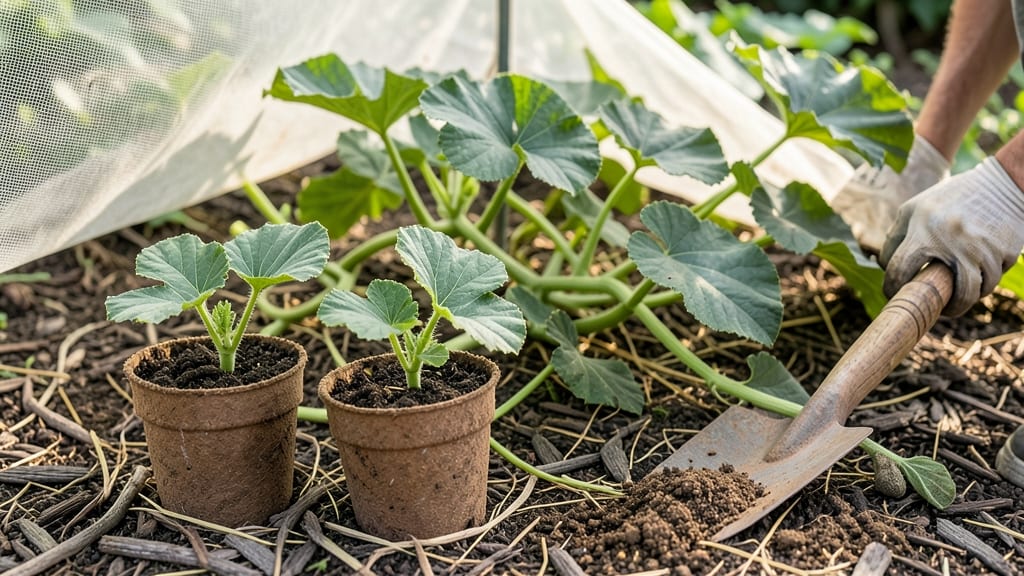
If you're a Texas gardener, timing your squash planting can feel like navigating a maze—one wrong move, and your seedlings might fry before they even sprout. The key to success lies in understanding your specific heat zone, because what works in North Texas could backfire in the Rio Grande Valley.
I've spent years growing squash 🌱 across Texas' diverse climates, and I've learned the hard way that soil temperature matters just as much as the calendar.
Plant too early in Zone 8a, and your seeds will rot; wait too long in Zone 10b, and you'll miss your harvest window entirely. The solution? A planting strategy that adapts to your local conditions.
What you're about to discover is a fast system for determining your perfect planting window—whether you're starting seeds indoors or sowing directly into the garden bed.
We'll cover the exact soil temperatures that trigger germination, the best months for summer vs. winter squash varieties, and how to adjust your schedule based on your region's unique microclimate.
Ready to grow squash that thrives from spring to fall? Let's dive into the heat-zone calendar that will transform your Texas garden from hit-or-miss to consistently productive.
Texas heat-Zone planting calendar for squash: when to start seeds indoors vs. direct sowing
Texas stretches across USDA Hardiness Zones 8a to 11, meaning your squash planting schedule should shift dramatically from the Panhandle to South Texas.
In Zone 8a, you’ll plant summer squash in late April to early May when soil hits 70°F, while Zone 11 gardeners can direct-sow year-round with minimal frost risk. The key? Soil temperature—squash seeds need 70°F+ to germinate reliably.
For winter squash varieties like butternut, aim for early summer planting (June) to avoid heat stress during fruit development. Summer squash (zucchini, yellow squash) thrives when planted in late spring (March-April) or early fall (August-September) for a second harvest before winter chill sets in.
Here’s the game-changer: Northern Texas (Zones 8a-8b) can start seeds indoors 3-4 weeks before last frost (typically mid-March), while Central Texas (Zones 8b-9a) should wait until mid-April for direct sowing. South Texas (Zones 9b-11) skips indoor starts entirely—just plant when soil warms.
Pro tip: Use a soil thermometer to confirm readiness. If your soil hovers around 65°F, wait a week—cold soil delays germination by 3-5 days or worse, invites rot. Texas’ unpredictable spring rains also mean well-draining soil is non-negotiable.
For fall harvests, plant summer squash in August and winter squash in July to beat the first frost (which varies from November in the North to January in South Texas). The goal? 90-100 days to maturity before frost hits.
| Texas Zone | Soil Temp Threshold | Indoor Start (Weeks Before) | Direct Sow Window | Fall Planting |
|---|---|---|---|---|
| 8a (Panhandle) | 70°F+ | 3-4 weeks (mid-March) | Late April–May | August (90 days before frost) |
| 8b-9a (Central) | 70°F+ | 2-3 weeks (early April) | Mid-April–June | Late July–August |
| 9b-11 (South) | 75°F+ (warmer soil) | None (direct sow) | March–September | Year-round (avoid peak summer) |
🌱 Note: Adjust for microclimates (e.g., urban heat islands plant 1-2 weeks earlier).
If you’re in Zone 10b or 11, summer squash planted in June-July will bolt faster due to 100°F+ soil. Beat the heat by using black plastic mulch to raise soil temps 5-10°F faster in spring or shade cloth (30%) in peak summer.
For winter squash, prioritize July plantings—this gives fruits time to mature before October’s first frost in North Texas.
One common mistake? Planting summer squash too early in Zone 8a and watching vines wilt from soil-borne diseases in cool, wet springs. Instead, wait until nighttime temps stay above 55°F consistently.
For fall crops, aim for 90 days to harvest—so if your first frost is November 15th, plant by August 15th.
For container gardening in Texas, use 5-gallon pots and plant 1-2 squash per container. Containers warm up faster, so you can plant 2 weeks earlier than in-ground soil. Just ensure pots have drainage holes—soggy roots are a Texas gardener’s worst nightmare.
Remember: Texas’ long growing season means you can often get two harvests per year—spring and fall. The trick? Su
5 Critical factors that determine your Texas squash planting success (and how to avoid common mistakes)
Texas’ extreme heat and variable humidity can turn squash planting into a high-stakes game of chance. One wrong move—like planting too early or ignoring soil temperature—and your seedlings might bolt prematurely or rot before sprouting.
But with the right adjustments, you can beat the heat and grow thriving squash plants.
First, frost dates matter more than you think. While most of Texas avoids frost, North Texas (Zones 7b-8a) can still see light freezes in March or November. If you’re planting winter squash like butternut, wait until after the last frost—usually mid-April to early May—to avoid stunted growth.
For summer squash like zucchini, you’ve got more flexibility, but soil temps must hit 70°F+ for germination.
| Factor | Texas-Specific Tip | Avoid This Mistake |
|---|---|---|
| Soil Temperature | Use a soil thermometer—aim for 70°F+ for germination. | Planting in cold soil causes rot or slow sprouting. |
| Humidity Levels | East Texas (high humidity) needs spaced rows for airflow. | Overcrowding leads to powdery mildew in sticky heat. |
| Variety Heat Tolerance | Pick heat-loving types like 'Cocozelle' or 'Straightneck'. | Delicate varieties (e.g., 'Acorn') bolt in 100°F+. |
| Watering Schedule | Deep watering at dawn retains moisture better. | Watering at night invites fungus in Texas’ 90%+ humidity. |
| Shade Cloth Use | Use 30-50% shade cloth in peak summer (June-August). | No shade = sunburned leaves and bitter fruit. |
Don’t overlook mulching—this is your secret weapon against Texas’ intense sun. A 3-inch layer of straw or black plastic keeps soil cool and moist, while also suppressing weeds.
I’ve seen squash yields double in mulched beds compared to bare soil, especially in West Texas (Zones 8b-9a), where drought stress is a real threat.
Another game-changer? Succession planting. Instead of betting everything on one spring planting, try a late summer batch (August-September) for a fall harvest. Just harden off seedlings properly—Texas’ sudden heat waves can shock tender plants if you rush them.
Start seeds indoors 3-4 weeks before your target outdoor date, and move them to a shady spot outdoors for a week to acclimate.
Finally, watch for pests like squash bugs and cucumber beetles, which thrive in Texas’ warm climate. Handpick eggs daily (they look like tiny orange ovals under leaves) and use row covers for young plants. A neem oil spray every 10 days keeps populations in check without harming pollinators.
With these 5 critical factors locked in, your Texas squash garden will thrive—no more wilted seedlings or bitter harvests. The key? Plan ahead, adjust for your zone, and stay vigilant with care. Your future giant zucchini or sweet butternut is waiting! 🌱