
Companion Plants
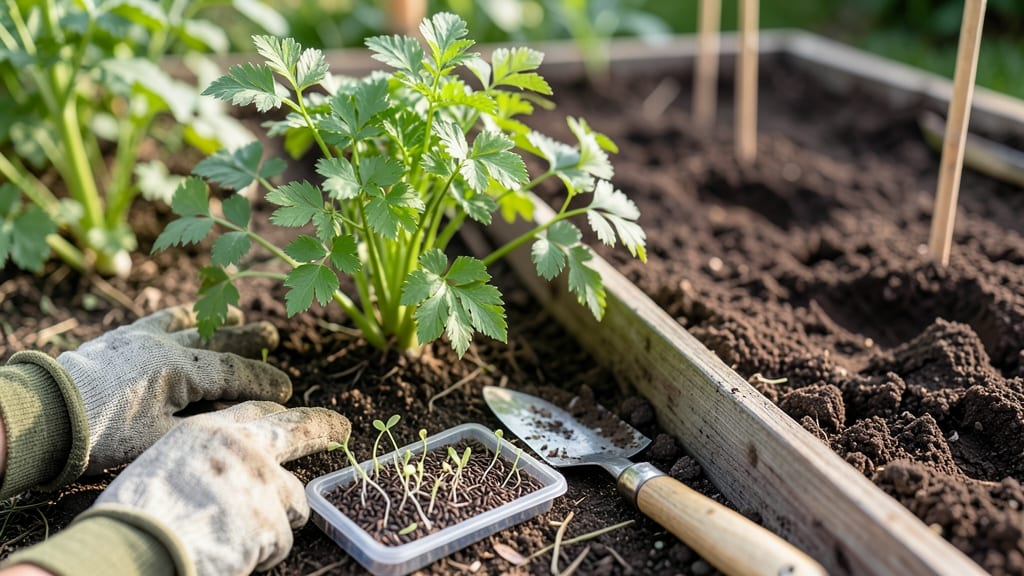
Best planting windows for carrots in Zone 6 by soil temperature
Carrots thrive when planted at the right soil temperature, which in Zone 6 means avoiding both chilly spring soil and late-summer heat stress. The ideal range is 45°F to 85°F, but timing is everything—plant too early, and seeds rot; too late, and they bolt.
Let’s break down the perfect windows based on your local microclimate.
In Zone 6, your last frost date typically falls around April 15, but soil warms slower than air. Use a soil thermometer to confirm readiness—50°F soil is the magic number for spring planting.
For fall crops, aim for August planting when daytime temps stay below 75°F to prevent bolting.
🌱
| Planting Window | Soil Temp Range | Air Temp Goal | Bolting Risk | Zone 6 Dates |
|---|---|---|---|---|
| Early Spring | 45°F–60°F | 50°F–65°F | Low (short days) | March 15–April 15 |
| Late Summer | 60°F–75°F | 70°F–80°F | Moderate (long days) | July 15–August 15 |
| Fall | 50°F–65°F | 55°F–70°F | Low (cooling nights) | August 15–September 15 |
*Bolting risk increases if daytime temps exceed 80°F for >3 days.
For early spring planting, start seeds indoors 4–6 weeks before your last frost or use cold-hardy varieties like 'Early Nantes' to handle 45°F soil.
In late summer, opt for short-day varieties such as 'Danvers' to delay bolting. Always mulch heavily to stabilize soil temps—fluctuations above 80°F trigger bolting.
💧
Microclimates matter! If your garden sits in a low spot, soil stays colder longer—wait until April 20–May 1 for spring planting. Conversely, south-facing beds warm faster; you might plant as early as March 20.
Test soil temps at 2-inch depth in the morning for accuracy. Pro tip: Shade cloth (30%) can buy you 2–3 extra weeks in late summer.
🌡️
Never plant carrots when soil temps exceed 85°F—they’ll bolt before forming roots. In Zone 6, this usually means avoiding June planting unless you’re using row covers. For fall crops, stop planting by September 1 to ensure harvest before first frost (October 15).
Use a planting calendar to track your local frost dates and adjust accordingly.
📅
To maximize your harvest, succession plant every 2 weeks from March to August. For example, plant March 15, March 30, April 15, and so on. This ensures a continuous supply of fresh carrots without overcrowding.
Pair this with thinning seedlings to 2 inches apart once they’re 2 inches tall—this prevents competition and improves root shape.
Best planting windows for carrots in Zone 6 by soil temperature
In Zone 6, timing your carrot planting to match soil temperatures between 45°F and 85°F prevents bolting and ensures sweet, crisp roots. The ideal windows are early spring (March-April) and late summer (July-August), but soil thermometers—not just calendar dates—dictate success.
For example, planting in cold March soil (below 50°F) slows germination, while hot July soil (above 80°F) triggers bolting. Let’s break down the best windows with soil temp targets.
Your first planting should happen when soil reaches 45°F—typically 2-3 weeks before your last frost date (around mid-March to early April in Zone 6). Use a soil thermometer to confirm: if it’s cooler, wait.
For fall, aim for soil temps below 80°F (late July-August) to avoid heat stress. Pro tip: Morning soil temps are the most accurate for planting decisions.
| Planting Window | Soil Temp Range | Bolting Risk | Zone 6 Timing |
|---|---|---|---|
| Early Spring | 45°F–55°F | Low (cool soil) | Mid-March–Early April |
| Late Summer | 60°F–75°F | Moderate (heat stress) | Late July–Early August |
| Fall | 50°F–65°F | Low (cooling temps) | Mid-August–Early September |
🌱 Key: Bolting risk increases above 80°F soil temp
Microclimates in Zone 6 can shift planting windows by 2-3 weeks. For example, low-lying areas stay cooler longer, while south-facing beds warm faster. Test your soil in multiple spots—especially if you’ve had inconsistent results.
I once planted in early April only to see germination fail because my shady patch stayed at 40°F. A black plastic mulch warmed it up 5°F in just 3 days!
For succession planting, sow seeds every 2-3 weeks after your initial date to stagger harvests. In Zone 6, this means April 1, April 15, May 1 for spring, and July 15, August 1, August 15 for fall.
Use shade cloth (30-50%) in late summer to keep soil temps below 80°F and delay bolting. This simple trick extended my fall harvest by 3 weeks last year.
If you’re unsure about soil temps, use seed tape or pelletized seeds for easier spacing and faster germination. These methods also help you monitor emergence rates—a key indicator of soil conditions.
For example, if only 50% of seeds sprout within 14 days, your soil may still be too cold or compacted. Adjust your next planting date accordingly.
Remember: Carrots hate heat, but they thrive in cool, consistent temps. By aligning your planting with soil—not air—temperature, you’ll avoid the bitter, woody roots that ruin harvests. Start with these windows, and soon you’ll have a year-round supply of sweet, crisp carrots in Zone 6. 🥕