
Plants
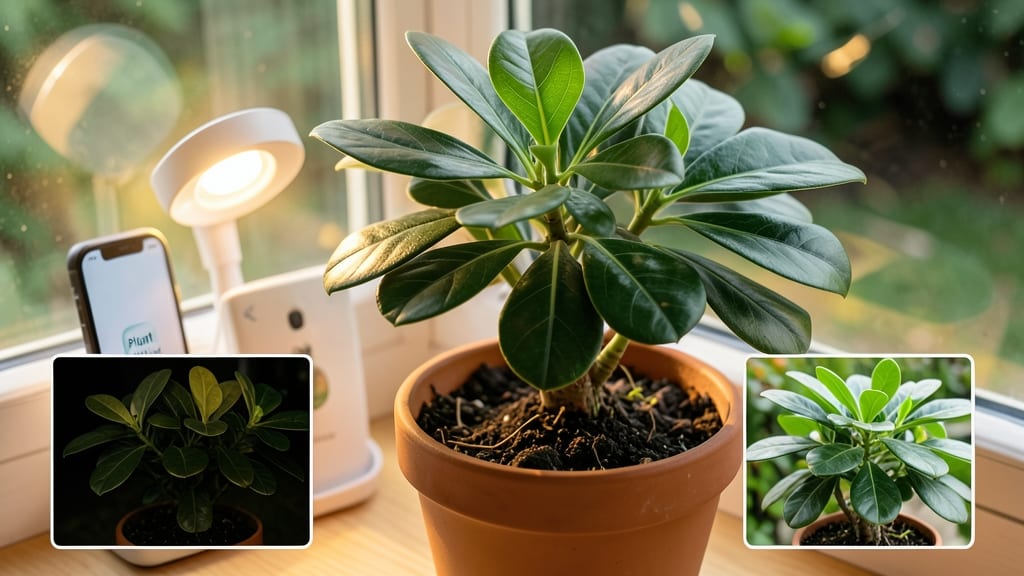
If you're wondering how much light does an umbrella plant need to thrive, the answer might be simpler than you think—it’s all about getting the balance right. Too much sun can scorch its lush leaves, while too little leaves it looking sad and stretched out.
Finding that sweet spot between bright indirect light and just enough shade is the key to keeping your plant happy and healthy.
Most people assume these tropical beauties need plenty of direct sunlight, but that’s where they go wrong. Your umbrella plant actually prefers filtered light, like what you’d find near an east-facing window or under a sheer curtain.
I’ve seen firsthand how a little adjustment in placement can turn a struggling plant into a vibrant centerpiece.
Don’t worry if your home doesn’t get much natural light—there are easy fixes. Whether you’re dealing with low-light conditions or accidentally giving it too much sun, I’ll show you how to spot the signs and make the right adjustments.
Let’s get your umbrella plant back to its best in no time.
Ready to transform your plant care routine? You’ll learn exactly where to place it for optimal growth and how to troubleshoot common light-related issues. Let’s dive in!


Ideal light conditions for an umbrella plant: low to bright indirect sunlight explained
Your umbrella plant (Schefflera) thrives in bright indirect sunlight, making it perfect for east-facing windows or 10-20 feet away from south-facing windows. This partial shade environment mimics its natural habitat under forest canopies, where dappled sunlight filters through leaves.
Direct midday sun can scorch its delicate leaves, causing brown patches or crispy edges, while dim corners lead to pale, leggy growth. Think of it like Goldilocks—you want the light that’s "just right" for your plant’s health and vibrant foliage.
In indoor setups, place your Schefflera near a window with 4-6 hours of filtered light daily. If natural light is limited, supplement with a grow light for 12-14 hours per day. LED grow lights with a 5000-6500K color spectrum are ideal for mimicking sunlight.
| Light Condition | Ideal Placement | Plant Response |
|---|---|---|
| Bright Indirect Light | East or North window, 2-3 ft away | Healthy growth, glossy leaves |
| Low Light | Dim corners, far from windows | Leggy stems, pale leaves |
| Direct Sunlight | South or West window, no filter | Brown leaf edges, sunburn |
During summer months, your umbrella plant may handle 2-3 hours of morning sun if acclimated gradually. Start by placing it near a sheer curtain to filter harsh rays, then slowly increase exposure over 2-3 weeks.
Avoid placing it in direct afternoon sun, which is the strongest and most damaging.
In winter, when sunlight is weaker, move your plant closer to the window to maximize natural light. If you notice stretched stems or small leaves, it’s a sign your plant is reaching for light.
This is called etiolation, and it’s your cue to supplement with a grow light or relocate to a brighter spot.
Outdoor umbrella plants in USDA Zone 6a can enjoy partial shade in gardens, especially during peak summer heat. Choose a location with morning sun and afternoon shade, like under a tree canopy or on a covered patio.
Avoid exposing it to hot afternoon rays, which can cause irreversible leaf damage.
If you’re unsure about your home’s light conditions, use a light meter to measure foot-candles. Aim for 500-1000 foot-candles for optimal growth. Most smartphone apps can also measure light levels—simply point your camera at the plant’s location for an instant reading.
Pro tip: Rotate your umbrella plant quarterly to ensure all sides receive even light exposure. This prevents lopsided growth and keeps the foliage symmetrical and lush. A slow 180-degree turn every month works perfectly for balanced development.
Remember, every home’s light conditions are unique. Start with bright indirect light, monitor your plant’s response, and adjust as needed. With the right light, your Schefflera will reward you with glossy, vibrant leaves and vigorous growth for years to come. 🌿
Ideal light conditions for an umbrella plant: low to bright indirect sunlight explained
Your umbrella plant (Schefflera) thrives in bright indirect sunlight, making it perfect for homes with east or north-facing windows. Too much direct sun can scorch its delicate glossy leaves, while too little light causes leggy growth and pale foliage.
The key is finding that sweet spot where your plant gets 4-6 hours of filtered light daily.
For indoor plants, position your Schefflera near an east-facing window where morning sun is gentle. If you only have south-facing windows, place it 10-20 feet away to avoid harsh afternoon rays. Artificial grow lights (12-14 hours daily) work well for deeper indoor spaces, replicating natural light conditions.
| Light Condition | Hours Needed | Best Location | Leaf Health |
|---|---|---|---|
| Bright Indirect | 4-6 hours | East window or 10-20 ft from South | Glossy, vibrant green |
| Low Light | <2 hours | North window or dim room | Pale, yellowing leaves |
| Direct Sun | >6 hours | South/West window | Brown, crispy edges |
Adjust light conditions seasonally: in summer, move your plant away from windows to prevent sunburn, while in winter, supplement with a grow light if natural light drops below 4 hours daily. Rotate your plant quarter-turn weekly to ensure even growth and prevent lopsided development.
Watch for yellowing leaves or stretched stems—these are classic signs your plant needs more light. If leaves develop brown patches or crispy edges, it’s getting too much direct sun. A simple fix is to sheer curtains or relocate to a brighter (but indirect) spot.
For outdoor umbrella plants, place them in partial shade with dappled sunlight. Avoid harsh afternoon sun, especially in USDA zones 8-10, where temperatures can exceed 90°F. Mulch around the base to regulate soil temperature and reduce stress from fluctuating light conditions.
Remember: variegated Schefflera varieties need slightly more light to maintain their color patterns. If the white or yellow variegation fades, it’s a clear signal to move your plant closer to a bright, indirect light source.