
Plants
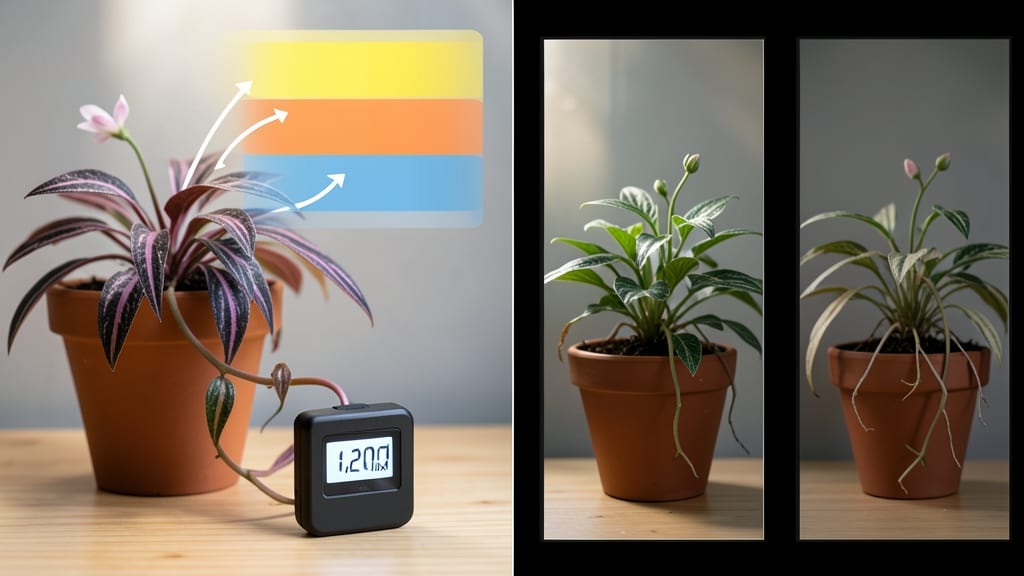
Inch plant light requirements: the ideal bright indirect sunlight balance
Your inch plant (Tradescantia) thrives in bright indirect sunlight, but finding the perfect balance can be tricky. Too much direct sun causes leaf burn, while too little light leads to weak, leggy growth.
The ideal spot delivers 4-6 hours of filtered light daily—think dappled sunlight or a window with sheer curtains.
For indoor growers, east-facing windows provide gentle morning light, while west-facing windows offer afternoon warmth without harsh midday rays. Avoid south-facing windows unless you use a sheer curtain to diffuse the intensity. Outdoor inch plants need partial shade during peak summer hours to prevent scorching.
Seasonal adjustments are key: in winter months, supplement natural light with a grow light for 6-8 hours daily, especially if your plant starts stretching toward the window. In summer, watch for signs of stress like yellowing leaves or crispy edges—these signal too much direct sun.
Here’s how to identify the perfect light spot: hold your hand near the plant. If you can barely feel warmth but still see clear shadows, you’ve found the ideal bright indirect light.
For reference, a standard LED grow light should be placed 12-18 inches above your inch plant for consistent results.
| Light Condition | Daily Duration | Signs of Proper Light | Adjustments Needed |
|---|---|---|---|
| Bright Indirect | 4-6 hours | Vibrant green leaves, compact growth | None—perfect conditions! |
| Low Light | <4 hours | Leggy stems, pale leaves | Move closer to window or add grow light |
| Direct Sun | >6 hours | Brown spots, crispy edges | Use sheer curtain or move 3+ feet away |
If your inch plant starts developing yellow leaves or stretched stems, it’s begging for more light. Rotate the pot quarter-turn weekly to ensure even growth, and avoid placing it near drafty windows or air conditioning vents, which can stress the plant.
For outdoor inch plants, provide afternoon shade during summer months to protect delicate foliage.
Pro tip: Monitor your plant’s response by observing leaf color and growth patterns. Healthy inch plants have deep green leaves with a slight waxy sheen, while struggling plants show signs of light deprivation or sunburn.
Adjust your setup every 2-3 weeks based on these visual cues to maintain optimal health.
For indoor setups, consider placing your inch plant on a sunny bookshelf or near a skylight to maximize natural light without direct exposure. If your home lacks sufficient windows, a full-spectrum LED grow light on a timer can mimic ideal conditions year-round.
Just remember: consistency is key—inch plants thrive on routine lighting schedules.
In winter months, when daylight shrinks, supplement with 10-12 hours of grow light to prevent dormancy. Position the light 12-18 inches above the plant and use a timer to automate the process. This mimics the longer daylight hours of summer, keeping your inch plant lush and vibrant even indoors.
Remember, bright indirect light is non-negotiable for inch plants. With the right setup, you’ll enjoy compact growth, rich colors, and a plant that stays healthy year-round. Start with these guidelines, then fine-tune based on your plant’s unique response—every home’s light conditions are different!
How to adjust your home’s lighting for optimal inch plant growth
Finding the perfect spot for your inch plant (Tradescantia) in your home can feel like solving a puzzle. These plants thrive in bright indirect light, but direct sun or dim corners can quickly turn their leaves sad and yellow.
The key is understanding how to mimic their natural habitat—think dappled forest light—using your home’s existing setup or simple tools like grow lights.
Start by identifying the best windows in your home. East-facing windows offer gentle morning light, while west-facing windows provide afternoon warmth without harsh midday rays. Avoid south-facing windows unless you have sheer curtains to diffuse the intensity.
If your only option is a north-facing window, you’ll likely need supplemental lighting to meet the 4-6 hours of bright indirect light your inch plant craves.
| Light Source | Best For | Distance from Plant |
|---|---|---|
| East or West Window | Ideal natural light | 1-3 feet away |
| South Window (with sheer curtain) | Bright indirect light | 3-5 feet away |
| LED Grow Light (6000K) | Supplement weak light | 6-12 inches above |
| Fluorescent Light (Cool White) | Low-light spaces | 4-6 inches above |
If your inch plant is stretching toward the light or developing pale leaves, it’s begging for more brightness. Rotate the pot quarter-turns weekly to ensure even growth and prevent leaning. For rooms without natural light, LED grow lights are your best friend.
Place them 6-12 inches above your plant and keep them on for 12-14 hours daily to mimic daylight cycles. Avoid incandescent bulbs—they emit too much heat and can scorch delicate leaves.
Monitor your plant’s response closely. If the leaves turn yellow or crispy, you’re dealing with too much direct sun. Move it back a few feet or add a sheer curtain. If the leaves stretch long and thin (etiolation), it’s not getting enough light.
Adjust its position or introduce a grow light. Remember, inch plants are adaptable, but consistency is key—sudden changes in light can stress them out.
For extra peace of mind, place your inch plant near a white or light-colored wall. These reflect light back onto the leaves, effectively doubling the brightness. This trick is especially useful in rooms with limited natural light.
Pair this with regular leaf dusting to keep those vibrant colors popping—dust blocks light absorption, so wipe them down every few weeks with a damp cloth.
With these adjustments, your inch plant will reward you with lush, vibrant growth all year round. Whether you’re tweaking window placement or investing in a grow light, small changes make a world of difference for these sun-loving beauties. 🌿