
Plants
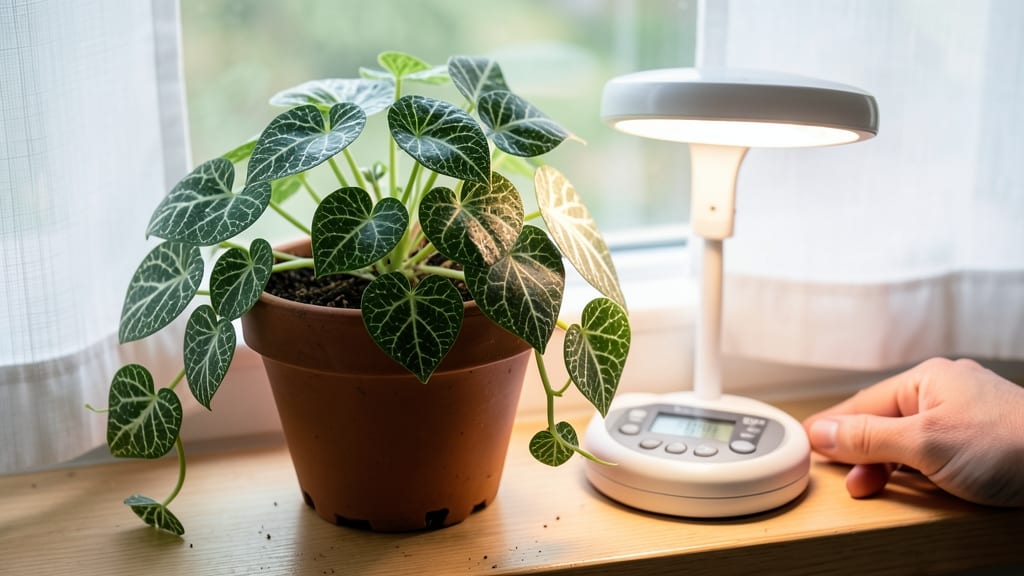
If your nerve plant 🌿 how much light does a nerve plant need to stay vibrant, or if it’s stretching toward the light like it’s reaching for a high-five, you're not alone.
The right amount of light is the key to keeping this stunning foliage plant thriving—and getting it wrong means watching your plant struggle instead of shine.
Most people assume their nerve plant needs bright light, but too much direct sun can actually scorch those delicate leaves, while too little leaves them pale and weak. The secret lies in finding that perfect balance of bright indirect light, which mimics its natural understory habitat.
I’ll show you exactly where to place your plant—whether it’s an east-facing window, a north-facing nook, or even under grow lights—so you can avoid common mistakes like sunburn or leggy growth. Plus, I’ll share how to adjust care as seasons change, keeping your plant lush year-round.
Ready to transform your nerve plant from struggling to stunning? Let’s dive into the light requirements that’ll have it thriving in no time.


Ideal light requirements for nerve plant growth: bright indirect sunlight explained
Nerve plants (Fittonia spp.) thrive best in bright indirect sunlight, which mimics their natural understory habitat. Too little light causes pale, washed-out leaves, while too much leads to sunburned patches.
The key is finding that sweet spot where your plant gets 4-6 hours of filtered light daily without harsh rays.
Think of it like a morning coffee break—your nerve plant enjoys gentle sunlight, like the dappled light under a canopy. Direct midday sun (especially south-facing windows) can scorch those delicate veined leaves, turning them crispy at the edges.
North-facing windows are ideal, while east-facing spots work too, provided they’re not blasted by afternoon heat.
Here’s how to visualize perfect light: Imagine standing under a sheer curtain during a sunny day. That’s the kind of brightness your nerve plant craves.
If you’re unsure about your space, test it by placing your hand near the plant—if you can still read a book comfortably, the light is likely just right.
Seasonal changes matter too. In summer months, when sunlight is intense, move your plant 1-2 feet back from the window. During winter’s shorter days, supplement with a grow light for 4-6 hours daily to prevent leggy growth.
| Light Condition | Ideal Placement | Leaf Appearance | Adjustment Needed |
|---|---|---|---|
| Bright Indirect Light | 1-3 ft from east/north window | Vibrant veins, compact growth | None—perfect! |
| Low Light | Far from windows, dim corners | Pale veins, leggy stems | Move closer to light or add grow light |
| Direct Sunlight | South/west windows, no filter | Brown crispy edges, bleached veins | Use sheer curtain or move 2+ ft back |
Watch for subtle color changes in your nerve plant’s leaves—they’re the best indicators of light success or failure. Healthy plants boast deep pink/purple veins on green leaves, while stressed plants may show yellowing or whitewashed patterns.
Rotate your plant quarter-turn weekly to ensure even growth and prevent it from leaning toward the light.
Pro tip: If your home lacks natural light, a LED grow light on a timer (12-14 hours/day) can mimic sunlight perfectly. Place it 6-12 inches above the plant and adjust height based on leaf color—closer for pale leaves, farther for crispy edges.
Remember, nerve plants are not low-light plants like pothos or snake plants. They need that bright indirect light to maintain their stunning foliage. Think of it as their daily vitamin—without it, they’ll slowly fade into a shadow of their former selves.
For extra peace of mind, place a light meter near your plant for a week. Aim for 1,000-2,000 foot-candles of light—this range keeps your nerve plant thriving without risking damage. If you’re unsure, start with a north-facing window and adjust from there.
🌿
Ideal light requirements for nerve plant growth: bright indirect sunlight explained
Nerve plants (Fittonia spp.) thrive under bright indirect light, making them perfect for homes with natural light but no harsh afternoon sun. The key is mimicking their understory habitat—think dappled sunlight filtering through trees.
Too little light leads to pale, weak growth, while too much causes leaf burn or bleaching.
For optimal growth, aim for 4-6 hours of bright indirect light daily. This means positioning your plant near an east or north-facing window, where sunlight is gentler. South-facing windows can work, but use a sheer curtain to diffuse intensity, especially during peak summer hours.
| Light Condition | Description | Signs of Stress |
|---|---|---|
| Bright Indirect Light | East/west windows, 1-3 ft away; filtered sunlight | Healthy variegation, compact growth |
| Low Light | North-facing windows, deep corners, artificial light only | Leggy stems, pale leaves, weak variegation |
| Direct Sunlight | South-facing windows without filters, afternoon sun | Brown patches, crispy edges, bleached variegation |
Seasonal adjustments are crucial. In summer, when sunlight is intense, move your nerve plant further from the window or add a sheer curtain. During winter, supplement with a grow light (12-14 hours/day) if natural light drops below 4 hours daily.
LED grow lights with a 5000-6500K color temperature work best.
Monitor your plant’s leaves for clues. Dark green, vibrant veins mean it’s happy, while yellowing or brown tips signal overwatering combined with too much light. If leaves stretch toward the light (etiolation), it needs more brightness. Rotate your plant quarter-turns weekly to ensure even growth and prevent leaning.
Pro tip: Test your spot using the "shadow test". Hold a piece of paper near the plant—if the shadow is crisp with no soft edges, the light is too harsh. If the shadow is faint, it’s perfect for your nerve plant. Adjust placement until you find that sweet spot.
With the right light, your nerve plant will reward you with bold, velvety foliage and lush growth year-round. Start with these guidelines, and don’t hesitate to experiment—your plant’s response will guide you to the ideal setup! 🌿