
Plants
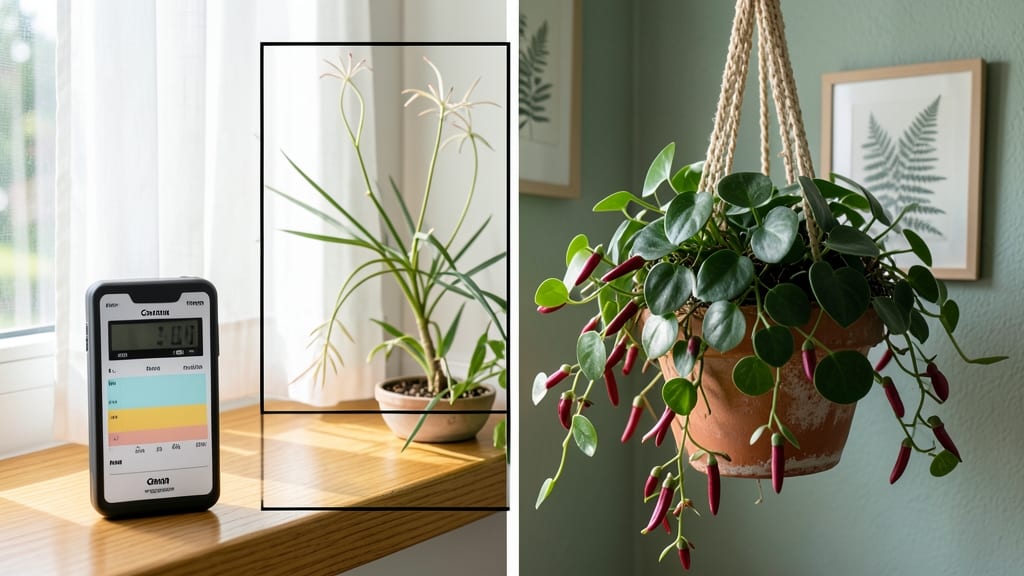
If your Lipstick Plant 🌸 keeps stretching toward the window like it's auditioning for a gymnastics routine, you're not alone—most gardeners underestimate its light needs. The right balance of bright indirect sunlight is the secret to keeping those glossy leaves vibrant and encouraging those stunning red blooms.
Too little light, and your plant turns into a leggy shadow of itself, while too much direct sun can scorch those delicate leaves faster than you can say "sunburn." I’ve seen firsthand how just 4-6 hours of filtered light daily transforms a struggling plant into a thriving showstopper.
Don’t worry if your space lacks natural light—we’ll cover how to mimic ideal conditions indoors, from window placement tricks to grow light hacks. You’ll learn to spot the early warning signs of light stress and adjust before it’s too late.
Let’s fix that light puzzle so your Lipstick Plant doesn’t just survive—it thrives with bold foliage and blooms that’ll make your shelf the envy of the neighborhood.


Ideal light requirements for lipstick plant growth and blooming
The lipstick plant (Aeschynanthus radicans) thrives in bright indirect light, mimicking its natural understory habitat in tropical forests. Too little light causes leggy growth and sparse blooms, while too much direct sun scorches delicate leaves.
Aim for 4-6 hours of filtered sunlight daily, adjusted seasonally for optimal health.
In spring and fall, when sunlight is gentler, you can place your plant near an east-facing window for morning light. During summer's intense rays, shift it to a west-facing window or use sheer curtains to diffuse harsh afternoon sun. This balance prevents sunburned patches while ensuring vibrant foliage.
If your home lacks natural light, supplement with a grow light (12-14 hours daily) positioned 6-12 inches above the plant. Use a full-spectrum LED bulb with a color temperature of 5000-6500K to replicate natural daylight. Avoid placing the plant directly under fluorescent lights, which can cause uneven growth.
Outdoor growers should provide dappled shade (like under a tree canopy) or 50% shade cloth during peak sun hours (10 AM–4 PM). In USDA Zones 9-11, lipstick plants can tolerate brief outdoor exposure in partial shade gardens, but bring them indoors before temperatures drop below 60°F to prevent stress.
Watch for these light-related symptoms:
- Pale, stretched leaves = Needs more light
- Brown crispy edges = Too much direct sun
- No flowers = Light levels are insufficient
Adjust placement immediately if you spot these signs to restore balance.
| Light Condition | Ideal Duration | Seasonal Adjustments | Growth Impact |
|---|---|---|---|
| Bright Indirect Light | 4-6 hours daily | East/west windows; filtered sun | Vibrant foliage, frequent blooms |
| Low Light (<3 hrs) | N/A (supplement needed) | Grow lights 12-14 hrs/day | Leggy stems, few flowers |
| Direct Sun (>6 hrs) | Avoid | Use sheer curtains | Sunburn, crispy leaves |
| Partial Shade (Outdoor) | Morning sun only | 50% shade cloth | Healthy growth, minimal stress |
Rotate your lipstick plant every 2-3 weeks to ensure even light exposure. This prevents one-sided growth and encourages a fuller, bushier shape. Place the pot on a turntable or manually spin it ¼ turn weekly for balanced development.
For blooming success, prioritize consistent light exposure during the plant's active growing season (spring through early fall). Reduced light in winter is normal, but avoid placing it in dark corners—even low light needs supplemental grow lights to prevent dormancy-related stress.
Pro tip: Use a light meter (or phone app) to measure 1,000-2,000 foot-candles of light for optimal conditions. Most homes near windows achieve 500-1,500 foot-candles, so adjust grow lights accordingly to hit the sweet spot.
🌿
How to provide perfect light indoors without sunburn risks
Indoor growing can be tricky when it comes to lipstick plant light requirements. Too little light leads to leggy growth, while too much causes leaf scorch. The key is finding that sweet spot of bright indirect light—think dappled sunlight through a sheer curtain.
Most homes won’t get natural 6 hours of morning sun, so we’ll adapt with smart placement and tools.
Start by placing your lipstick plant near an east or west-facing window, where sunlight is gentler. South-facing windows can work too, but only if you filter the light with a sheer curtain or white lace.
Avoid direct midday sun, which can turn leaves crispy in hours. If your space lacks natural light, grow lights are your best friend—more on that below.
🌿
Indoor Light Solutions: Pros & Cons
If you’re using a grow light, position it 6-12 inches above your lipstick plant and run it for 12-14 hours daily. LED grow lights with a red-blue spectrum mimic natural sunlight perfectly.
For a budget fix, drape cheesecloth or white lace over south-facing windows—it diffuses light beautifully while keeping costs low.
Rotate your plant quarter-turn weekly to prevent uneven growth toward the light source. This simple habit ensures your lipstick plant’s leaves stay evenly colored and compact. In winter, when daylight fades, supplement with a 10-watt LED bulb on a timer for consistent growth.
✂️
Pro tip: Watch your plant’s foliage color for clues. Deep green with a slight purple tint? You’re nailing the light balance. Pale, stretched leaves? Move it closer to the light source or add a grow bulb.
And if you notice brown crispy edges, immediately filter the light or move the plant back.