
Plants
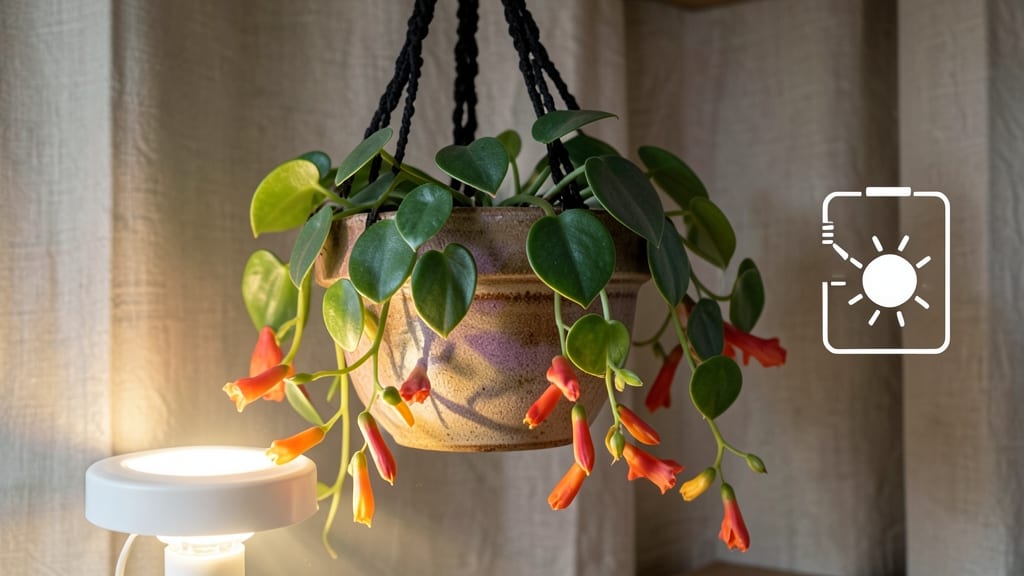
Optimal light requirements for goldfish plants: brightness levels explained
The goldfish plant (Columnea microphylla) thrives in bright indirect light, making it perfect for homes with filtered sunlight. Unlike sun-loving plants, it avoids harsh rays that can scorch its delicate variegated foliage.
Think of it as a plant that enjoys a gentle morning glow rather than a midday sunbath.
Ideal light conditions mimic the dappled shade found under a canopy tree. This means placing your plant near an east-facing window or west-facing window where sunlight is bright but diffused. South-facing windows may work but require a sheer curtain to soften the intensity.
If your home lacks natural light, don't worry—goldfish plants adapt well to artificial lighting. A simple LED grow bulb placed 12-18 inches above the plant can provide the 4-6 hours of light it needs daily.
Just avoid placing it directly under fluorescent lights, which can cause leaf bleaching over time.
Here’s how to spot light deficiencies vs. over-exposure:
| Light Condition | Signs to Watch For | Solution |
|---|---|---|
| Low Light (Too Little) | Leggy stems, sparse leaves, pale variegation | Move to brighter spot or add grow light |
| Bright Indirect (Ideal) | Compact growth, vibrant variegation, glossy leaves | Keep current placement or rotate weekly |
| Direct Sun (Too Much) | Brown patches, crispy edges, bleached variegation | Move to shaded area or use sheer curtain |
For best results, rotate your goldfish plant quarter-turns every week. This ensures even light exposure and prevents the plant from leaning toward the brightest side. A simple 180-degree rotation every 2 weeks keeps growth balanced and foliage lush.
In winter months, when natural light dims, supplement with a timed grow light for 12-14 hours daily. This mimics longer daylight hours and prevents dormancy-like symptoms like slow growth or dropped leaves. Even a basic LED desk lamp can work if placed close enough.
Pro tip: Test your plant’s light tolerance by moving it gradually. If you notice yellowing leaves after a change, it’s a sign of stress—either too much sun or a sudden shift. Adjust slowly over 3-5 days to let the plant acclimate.
Remember, the goldfish plant’s variegation is its signature feature. When light is just right, those creamy yellow and green patterns pop beautifully, making it a standout in any room. Keep an eye on those leaves—they’re your plant’s way of communicating its needs!
How to adjust light conditions for different growth stages
Your goldfish plant doesn’t have the same light needs forever—it changes as it grows. From tiny cuttings to a mature, trailing beauty, understanding these shifts helps you prevent common problems like leggy stems or faded foliage.
Let’s break down how to adjust lighting at each stage for healthy, vibrant growth.
When you first propagate goldfish plants, they’re delicate and need gentle, filtered light. Place cuttings under a sheer curtain or in a north-facing window to avoid sunburn.
Too much light now can stress young roots, while too little slows root development. Aim for 2-3 hours of indirect light daily during this 4-6 week phase.
Light: 2-3 hours indirect | Signs of Stress: Yellowing leaves, slow rooting
Light: 4-6 hours bright indirect | Signs of Deficiency: Small leaves, stretched stems
Light: 6+ hours filtered light | Signs of Overlight: Brown leaf tips, crispy edges
As your goldfish plant enters its juvenile stage (6-12 months), it craves more light to encourage bushiness. Move it to an east or west-facing window where it gets 4-6 hours of morning or afternoon sun.
If you notice long, sparse stems, it’s stretching toward light—time to rotate the pot weekly for even growth. A south-facing window works too, but use a light sheer curtain to diffuse harsh rays.
Mature goldfish plants (1+ years old) thrive with 6+ hours of bright, indirect light. This is when they develop their signature trailing vines and colorful foliage. If your plant starts showing brown leaf tips or crispy edges, it’s getting too much direct sun.
Step back the pot 1-2 feet from the window or add a light filter. In low-light conditions, mature plants may slow growth or produce pale leaves.
Seasonal changes also affect lighting. In winter, when daylight is shorter, supplement with a grow light for 12-14 hours daily. Place the light 12-18 inches above the plant and use a cool-white LED bulb (6500K).
Avoid heat-emitting bulbs, which can scorch leaves. In summer, watch for intense afternoon sun—move your plant to a shadier spot by late morning to prevent sunburn.
If your goldfish plant develops leggy growth despite good light, it might need fertilizer. A balanced 10-10-10 mix every 6-8 weeks in spring and summer gives it the nutrients to fill out.
Pair this with proper light adjustments, and you’ll see compact, vibrant foliage in no time. Pay attention to these cues, and your plant will reward you with year-round beauty.
🌿