
How To
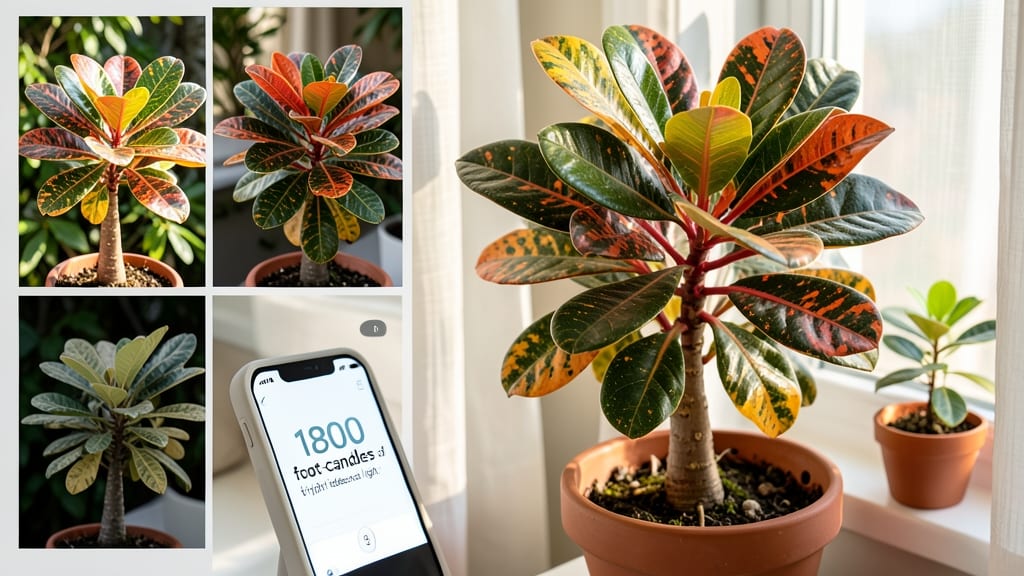
Optimal light requirements for croton plants: bright indirect sunlight explained
Crotons (Codiaeum variegatum) are tropical plants that thrive under bright, indirect sunlight. Unlike sun-loving succulents, they need 6-8 hours of filtered light daily to maintain their vibrant foliage.
Too little light causes leggy growth, while too much direct sun can scorch their delicate leaves. Understanding their light needs is key to keeping your croton healthy and lush.
In their natural habitat—tropical rainforests—crotons grow under dappled sunlight from the canopy. This mimics the east-facing window conditions ideal for indoor cultivation. If you notice your croton’s leaves losing their vivid colors, it’s likely a sign of insufficient light.
Variegated varieties, with their white or yellow leaf edges, are especially sensitive to light deprivation.
For outdoor crotons, partial shade gardens work best. Place them where they receive morning sun and afternoon shade, especially in USDA Zones 9-11. In cooler climates, bring potted crotons indoors before temperatures drop below 50°F to prevent light stress and cold damage.
🌿
| Light Condition | Ideal Hours | Leaf Color Impact | Best Placement |
|---|---|---|---|
| Bright Indirect Light | 6-8 hours | Vibrant, rich hues | East/west windows, 2-3 ft away |
| Low Light | <2 hours | Dull, pale leaves | North-facing windows, away from drafts |
| Direct Sunlight | >4 hours (afternoon) | Brown/white burn spots | Filtered light only; avoid south windows |
Seasonal adjustments are crucial for crotons. During spring and summer, when sunlight is intense, use sheer curtains to diffuse light near windows. In fall and winter, supplement with a grow light (12-14 hours/day) to maintain their light requirements.
LED grow lights with a 5000K-6500K color temperature mimic natural daylight and prevent etiolation (stretched, weak growth).
Pro tip: Rotate your croton quarterly to ensure even light exposure. This prevents one side from becoming lighter or darker than the other, which can happen when plants lean toward their light source. A simple 180-degree turn every 2 weeks keeps growth balanced and foliage uniform.
For outdoor gardeners, morning sun exposure is safer than afternoon sun. The lower UV index in mornings reduces the risk of leaf scorch. If you’re growing crotons in containers, ensure pots have drainage holes to prevent root rot—a common issue when combined with excess light and poor water management.
Remember, variegated crotons need slightly more light than solid-green varieties. Their white or yellow leaf sections contain less chlorophyll, making them less efficient at photosynthesis. Place them closer to the light source (but still indirect) to support their energy needs.
🌳
Optimal light requirements for croton plants: bright indirect sunlight explained
Crotons (Codiaeum variegatum) thrive under bright, indirect light—this is non-negotiable for their vibrant foliage. In their native tropical habitats, they grow under dappled sunlight through tree canopies, which mimics the ideal 6-8 hours of filtered light daily.
Too little light causes leggy growth, while too much direct sun leads to leaf scorch.
For indoor crotons, position them near east-facing windows where morning sun is gentle. South-facing windows work if you place the plant 3-5 feet away to diffuse harsh rays. Outdoor crotons need partial shade—think morning sun with afternoon shade—especially in hot climates like USDA Zones 10-12.
🌱 Croton Light Requirements Summary
| Requirement | Specification |
|---|---|
| Ideal Light Type | Bright, indirect sunlight |
| Daily Light Hours | 6-8 hours |
| Indoor Placement | East-facing window, 2-3 feet away |
| Outdoor Placement | Morning sun + afternoon shade |
| Direct Sun Tolerance | Only morning sun (max 2 hours) |
Variegated crotons need even more light than solid-green varieties because their white or yellow leaf sections rely on photosynthesis. Without sufficient light, these sections turn green and dull, losing their striking appearance. Rotate your croton quarterly to ensure even growth and prevent lopsided exposure.
Seasonal adjustments are key. During winter months, supplement with a grow light if natural light drops below 4 hours daily. In summer, watch for heat stress—move potted crotons to shaded patios or use sheer curtains to filter intense sunlight.
Pro tip: Test your croton’s light conditions by observing leaf color. Deep, vibrant hues mean perfect lighting, while pale or washed-out leaves signal insufficient light. Adjust gradually—sudden changes shock the plant and cause leaf drop.
Remember, crotons are light-hungry but sun-sensitive. Strike that balance, and you’ll reward yourself with year-round, lush foliage that’s the envy of every plant lover. 🌿