
Plants
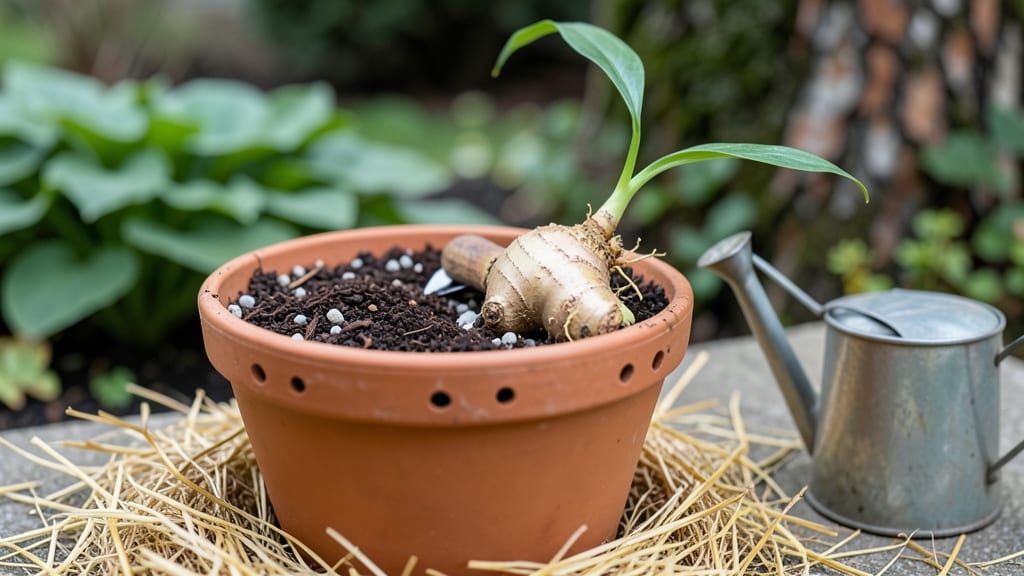
Knowing when to plant ginger in Zone 9 could mean the difference between a bountiful harvest and struggling with stunted growth. Unlike cooler climates, Zone 9’s frost-free year-round conditions actually give you more flexibility—but that doesn’t mean timing doesn’t matter.
Here’s the secret: ginger 🌿 thrives best when planted in winter or early spring, when temperatures are mild and soil stays consistently warm. This timing avoids the brutal summer heat that can stress young rhizomes, while still giving them 9–12 months to mature before harvest.
But here’s where most gardeners trip up—Zone 9’s microclimates (coastal, desert, or inland) can shift ideal planting windows by weeks. A coastal area’s cooler breezes might delay planting, while inland heat could push it earlier. I’ll break down exactly how to adjust for your specific corner of Zone 9.
Ready to unlock year-round ginger growth? Let’s dive into the perfect planting windows, soil prep tricks, and how to avoid common mistakes that kill harvests before they even start.
Best planting times for ginger in Zone 9 by microclimate
Zone 9’s frost-free climate means you can grow ginger year-round, but timing still matters for maximum rhizome production. Unlike cooler zones, soil temperature—not frost—dictates planting windows. Inland areas like Phoenix or Las Vegas have hotter summers, while coastal regions like San Diego stay milder.
Even within Zone 9, microclimates shift planting by 2–4 weeks.
Ginger thrives when soil stays between 65°F–85°F. In Zone 9’s heat, planting too early (like March) can stress rhizomes, while waiting until July risks summer dormancy.
The sweet spot is winter or early spring—when temperatures are stable and humidity is higher. This aligns with ginger’s natural growing cycle in tropical climates.
For coastal Zone 9 (e.g., Los Angeles, San Diego), the best window is January–March. Cooler ocean breezes keep soil temperatures ideal for rhizome sprouting. Inland areas should aim for February–April, avoiding the peak summer heat.
High-desert regions (e.g., Tucson) can plant as late as March–May, but require extra shade and water.
Here’s how microclimates affect your planting schedule:
| Microclimate | Best Planting Window | Soil Temp Trigger | Key Adjustment |
|---|---|---|---|
| Coastal (e.g., LA, San Diego) | January–March | 65°F–75°F | Use morning sun; mulch with straw |
| Inland (e.g., Phoenix, Riverside) | February–April | 70°F–80°F | Provide afternoon shade cloth (30–50%) |
| High Desert (e.g., Tucson, Palm Springs) | March–May | 68°F–78°F | Water deeply 2x/week; drip irrigation recommended |
🌡️ Pro Tip: Use a soil thermometer to confirm temps before planting.
Even in Zone 9, avoid planting during heatwaves (above 90°F). Rhizomes can rot if soil overheats. If you miss the ideal window, fall planting (September–October) is a backup—just expect smaller yields. For container growing, adjust timing by 1–2 weeks earlier since pots heat up faster.
Ginger in Zone 9 grows as a perennial, but most gardeners treat it as an annual for easier harvests. If you plant in winter or early spring, you’ll harvest rhizomes in 10–12 months.
For faster results, opt for smaller rhizomes (1-inch pieces)—they sprout quicker than large ones.
One common mistake is assuming “year-round” means “anytime”. In reality, humidity and soil moisture drop in Zone 9’s summer, causing rhizomes to dry out. Plan ahead: Prep soil in fall by amending with compost and mulching heavily.
This ensures your winter/early spring planting has the nutrients it needs to thrive.
For container growing, timing shifts slightly. Pots dry out faster, so plant 2 weeks earlier (late December–February) to give roots time to establish before summer. Use well-draining mixes with perlite to prevent rot—ginger hates soggy soil, even in Zone 9’s humidity.
Remember: Ginger’s growth cycle mirrors its tropical origins. In Zone 9, we’re essentially stretching its natural rhythm by planting during cooler months. With the right timing and microclimate tweaks, you’ll get plump, harvest-ready rhizomes—not the shriveled ones many Zone 9 gardeners struggle with.
Best planting times for ginger in Zone 9 by microclimate
Zone 9’s frost-free climate means ginger can grow year-round, but timing still matters for rhizome development and harvest success. Unlike colder zones, you won’t face frost risks, but heat spikes and humidity shifts create microclimate variations that demand precision.
Coastal areas like Los Angeles or San Diego enjoy milder winters and cooler summers, while inland zones like Phoenix or Las Vegas experience extreme heat. High-desert regions (e.g., Tucson) have cooler nights but intense daytime sun. Each requires a tailored approach.
| Microclimate | Optimal Planting Window | Soil Temp Trigger | Key Adjustment |
|---|---|---|---|
| Coastal (e.g., LA, SD) | Year-round, but best in winter (Dec–Feb) | 65°F+ (soil warms slowly) | Use shade cloth in summer |
| Inland (e.g., Phoenix, LV) | Fall (Sept–Nov) or early spring (Feb–March) | 70°F+ (avoid summer heat) | Mulch heavily to retain moisture |
| High Desert (e.g., Tucson) | Late spring (April–May) or fall (Oct–Nov) | 60°F+ (cooler nights) | Plant in morning sun only |
For coastal gardeners, winter planting (December–February) aligns with natural rainfall and cooler temps, promoting steady rhizome growth. The soil stays consistently warm, but humidity remains high, reducing stress on young plants.
Inland zones should avoid summer planting due to 100°F+ soil temps, which cause rhizomes to rot. Instead, fall planting (September–November) lets ginger establish roots before winter rains. Early spring (February–March) is a backup for missed fall windows.
High-desert areas benefit from late spring (April–May) planting when nights cool down. Ginger thrives in 60–75°F soil, so wait until daytime highs stabilize below 90°F. Fall replanting (October–November) works too, but harvest timing shifts to late spring.
Pro tip: Use a soil thermometer to confirm temps before planting. Ginger rhizomes rot below 55°F or above 85°F—critical for Zone 9’s extremes. Adjust your schedule if your local microclimate runs hotter or cooler than averages.