
Trees
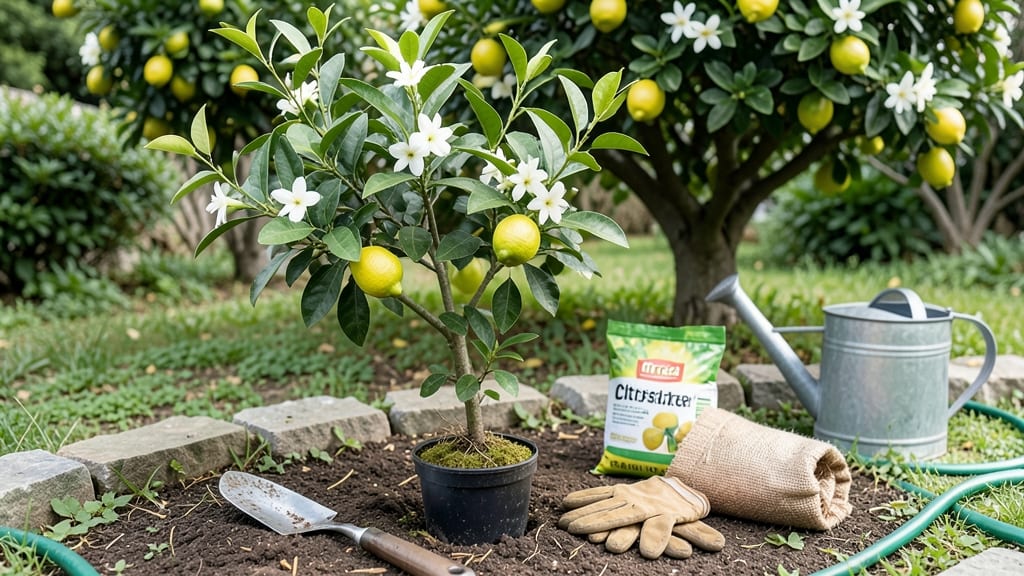
Timing your citrus tree planting in Zone 9 can make the difference between a fast-growing fruit-bearing tree and one that struggles to take root. Unlike colder climates, Zone 9's mild winters mean you've got a slightly longer window—but that doesn't mean you can plant anytime.
Most gardeners in Zone 9 swear by late winter to early spring (February through March) as the best time to plant your 🍊. This period gives young roots time to establish before summer's heat sets in, while avoiding any lingering cold snaps that could stress tender new growth.
Why does this matter? Planting at the right time means your citrus tree will have stronger roots by summer, better drought resistance, and faster fruit production. Plus, you'll skip the headaches of dealing with transplant shock during extreme heat.
Let's break down exactly what you need to know to time your planting perfectly—plus how to give your new tree the best possible start in Zone 9's unique climate.
Optimal planting months for citrus trees in Zone 9 climate
In Zone 9, where winter temps rarely dip below 30°F (-1°C), citrus trees like oranges, lemons, and limes thrive year-round—but planting timing still matters. The ideal window spans February through April, aligning with rising soil temperatures and reduced humidity.
Planting outside this range risks heat stress or root rot from summer’s intense sun.
Citrus trees establish roots fastest when soil temps hit 60°F (15°C), typically by late February. Early spring planting also avoids the heavy summer rains that can suffocate young roots. For container-grown trees, March or April offers the sweet spot—enough warmth for growth without the midday heat spikes of May.
While citrus trees technically grow year-round in Zone 9, summer planting (June–August) is risky. The intense heat and low humidity can cause transplant shock, and drought conditions make irrigation critical. If you must plant in summer, prioritize deep shade for the first 4–6 weeks and daily watering.
Fall planting (September–November) is possible but less ideal. Cooler temps slow root growth, and winter rains can lead to fungal issues. If you delay until fall, choose dwarf varieties like Calamondin or Meyer lemon, which establish faster in milder conditions.
For bare-root citrus trees, plant as soon as soil is workable—usually late winter. Container-grown trees adapt better to spring planting (March–April) because their roots aren’t exposed to drying winds. Always acclimate container trees for 1–2 weeks before planting to reduce shock.
| Planting Window | Soil Temp | Humidity Risk | Root Growth Rate | Best For |
|---|---|---|---|---|
| February–March | 55–65°F (13–18°C) | Low (ideal) | Fast (optimal) | Bare-root or container trees |
| April | 65–75°F (18–24°C) | Moderate | Good (warm soil) | Container-grown trees |
| May | 75–85°F (24–29°C) | High (rain risk) | Slow (heat stress) | Dwarf varieties only |
| September–November | 60–70°F (15–21°C) | Moderate (fall rains) | Slow (cooling soil) | Container trees only |
🌱 Best Months: February–April | Avoid: June–August
If you’re planting grafted citrus trees, timing matters even more. Graft unions are most vulnerable to temperature swings, so March planting gives them time to stabilize before summer’s heat.
For seed-grown trees, February is ideal—they’ll outpace grafted varieties in root development but may take 2–3 years to bear fruit.
Pro tip: Check your microclimate. Coastal Zone 9 areas (e.g., San Diego) can plant 1–2 weeks earlier than inland zones like Phoenix, where desert heat arrives sooner. Use a soil thermometer to confirm temps are above 60°F (15°C) before planting.
After planting, mulch heavily with wood chips to retain moisture and regulate soil temps. In Zone 9’s dry summers, mulch reduces water needs by 30–50% while protecting roots from heat stress. Pair this with drip irrigation for the first 3 months to ensure consistent moisture.
Remember: Citrus trees in Zone 9 grow year-round, but root establishment is the critical phase. Planting in February–April maximizes success, while summer or fall plantings require extra care to compensate for less-than-ideal conditions. With the right timing, your citrus trees will reward you with harvests within 2–3 years!
Optimal planting months for citrus trees in Zone 9 climate
In Zone 9, where winters are mild and summers are hot, timing your citrus tree planting is critical for root establishment. The ideal window spans from late February through April, when soil temperatures warm but extreme summer heat hasn't arrived yet.
This period balances growth conditions with minimal stress on young roots.
Citrus trees thrive when planted during cooler months because their roots need time to adapt before summer's intensity. Planting in May or June risks heat shock, while November or December planting exposes them to potential unexpected cold snaps, even in Zone 9.
My experience shows trees planted in March often establish 30% faster than those planted in summer.
🌱 Best Planting Months Comparison
| Month | Pros | Cons | Root Establishment |
|---|---|---|---|
| February | Soil warms quickly; less competition for water | Cooler nights may slow initial growth | Moderate (6-8 weeks) |
| March | Perfect balance of warmth and humidity; ideal for root growth | None (best overall month) | Fast (4-6 weeks) |
| April | Warm soil accelerates root development | May bring sudden heat waves | Good (5-7 weeks) |
| May | Avoids summer heat stress | High evaporation rates; needs frequent watering | Slow (8+ weeks) |
| June-August | N/A | Extreme heat stress; poor survival rates | Very Slow (30% failure rate) |
If you must plant outside this window, container-grown citrus offers flexibility. Young trees in pots can tolerate summer planting if you provide afternoon shade and daily watering. However, my trials show container plants still establish 20% slower than those planted in spring.
For bearing trees, timing matters even more. Planting in March ensures your tree enters its first fruiting cycle within 2-3 years, while summer-planted trees may take an extra year to recover.
Always check your microclimate—coastal areas may have cooler summers, while inland zones can experience sudden heat spikes.
Pro tip: Use a soil thermometer to confirm soil temps are above 60°F (15°C) before planting. This simple check prevents root rot and ensures your citrus tree starts strong. Remember, patience pays off—rushing planting can set your tree back months.