
Plants
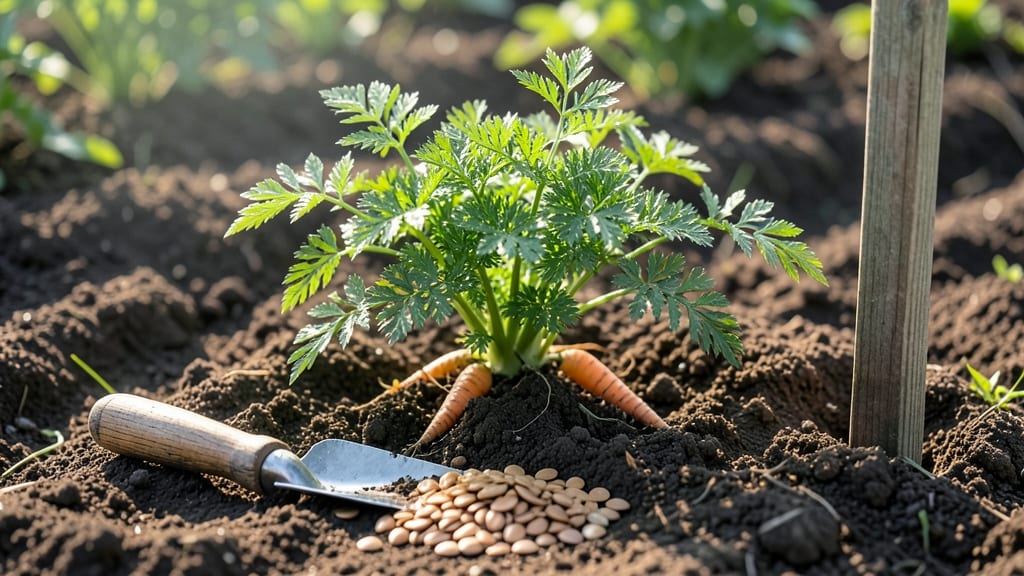
Timing your carrot planting in Kentucky isn't just about throwing seeds in the dirt—it's about unlocking crisp, sweet harvests while avoiding the two biggest threats: late frosts and summer heat.
The key window for Zone 6a gardeners is surprisingly narrow, and missing it means either stunted roots or bolted greens before you even get a chance to pull them.
If you've ever planted carrots only to watch them turn woody under Kentucky's humidity or bolt prematurely when temperatures climb, you're not alone.
The solution lies in understanding two critical planting periods: early spring (March-April) when soil warms to 50°F, and late summer (July-August) for a fall crop that matures before the first frost hits around October 15.
This isn't just theory—it's what separates gardeners who harvest consistent, restaurant-quality carrots from those who end up with bitter, forked messes.
Here's what you need to know: Planting 2-3 weeks before your last frost date (typically mid-March) gives your carrots 70-80 days to grow before summer's intensity kicks in.
For fall, aim for late July to ensure they mature before frost—think of it as a race against time where the prize is a pantry full of homegrown 🥕.
I'll walk you through the exact dates, soil prep secrets, and even how to extend your growing season with simple row covers.
Ready to transform your garden from "meh" to "mind-blowing"? Let's dive into the precision planting schedule that'll have you pulling carrots all season long—no more guesswork, just guaranteed harvests. Your future self (and your dinner table) will thank you.
Kentucky carrot planting calendar: exact dates by season for Zone 6b
Kentucky’s Zone 6b climate gives you two prime windows to plant carrots: early spring and late summer. The key is avoiding frost and extreme heat, which can stunt growth or cause bolting.
For most of Kentucky, the last spring frost typically occurs around March 15, while the first fall frost hits around October 15. These dates mark your planting deadlines.
Spring planting is ideal for early harvests before summer heat sets in. Start seeds indoors 4-6 weeks before your last frost date (around February 15) or sow directly outdoors 2-3 weeks after the last frost (early April).
This gives carrots enough time to mature before Kentucky’s humid summers turn the soil too warm for optimal growth.
For a fall harvest, aim to plant seeds 8-10 weeks before the first frost (around July 15). This ensures carrots mature before cold weather arrives. Fall-planted carrots often taste sweeter because they develop under cooler temperatures.
If you miss this window, consider cold-hardy varieties like 'Danvers' or 'Chantenay', which tolerate light frosts.
Here’s your Kentucky carrot planting timeline broken down by season, including soil temperature requirements and maturity windows to maximize your harvest:
Succession planting is a game-changer for Kentucky gardeners. Instead of sowing all your carrot seeds at once, plant small batches every 2 weeks from spring through early summer. This ensures a continuous harvest and reduces the risk of bolting during heatwaves.
For example, start your first batch in early April, then repeat in mid-April, late April, and early May.
If you’re new to succession planting, don’t worry—it’s simpler than it sounds. Just mark your planting dates on a calendar and set reminders. For summer plantings, focus on shade-tolerant varieties like 'Paris Market' or 'Little Finger'morning to keep soil moist and prevent cracking.
Kentucky’s humid summers can also bring pests like the carrot rust fly or aphids. To protect your crop, use row covers or plant companion crops like onions or leeks, which repel pests naturally.
If you notice wilting or yellowing leaves, check for pests and adjust your watering schedule—overwatering can stress carrots and make them more susceptible to disease.
For a winter harvest, consider planting cold-hardy varieties like 'Purple Haze' or 'Cosmic Purple' in early September. These varieties can tolerate light frosts and even improve in flavor after a freeze. Just be sure to mulch heavily with straw or leaves to insulate the soil and protect tender roots.
Pro tip: Test your soil before planting. Kentucky’s clay-heavy soils can compact easily, leading to forked or stunted carrots. Amend your soil with compost or sand to improve drainage. Aim for a soil pH of 6.0–7.0, which is ideal for carrot growth.
You can test your soil with a home kit or send a sample to your local University of Kentucky Extension office for a detailed analysis.
Best carrot varieties for Kentucky gardens: heat tolerance and disease resistance
Kentucky’s humid summers and hot afternoons can turn tender carrot varieties into tough, woody messes if you’re not careful. The key to success? Choosing heat-resistant and disease-tolerant varieties that thrive in Zone 6b conditions.
I’ve grown dozens of types here, and these top 5 consistently deliver sweet, crisp roots—even when temperatures climb above 90°F.
Look for varieties labeled "heat-tolerant" or "long-season" on seed packets, as they handle Kentucky’s summer humidity better than standard types. Orange carrots dominate, but purple and yellow varieties also perform well in our climate. Let’s dive into the best performers and why they work for your garden.
🌱 Did You Know? Purple carrots contain anthocyanins, a powerful antioxidant that helps them resist bolting (premature flowering) in heat—making them a smart choice for Kentucky’s unpredictable summers.
| Variety | Days to Maturity | Heat Tolerance | Disease Resistance | Best For |
|---|---|---|---|---|
| Danvers Half Long | 65-70 days | High | Cavity spot, rust fly | Spring/fall planting |
| Nantes | 70-75 days | Moderate | Bolting | Loose soil, summer harvests |
| Purple Haze | 70 days | Very high | Rust fly, powdery mildew | Heat waves, storage |
| Chantenay Red Cored | 65-70 days | High | Cracking, bolting | Heavy clay soil |
| Yellowstone | 70-75 days | Very high | Drought, rust fly | Dry spells, summer |
Avoid short-season varieties like Paris Market unless you’re planting in early spring or late summer, as they struggle with Kentucky’s long, hot summers. For fall harvests, Danvers and Chantenay are my go-tos—they mature quickly and store well through winter.
If you’re dealing with compacted soil (common in Kentucky’s clay-heavy areas), Nantes is your best bet—its slender shape grows straight even in tough conditions. For summer planting, Purple Haze and Yellowstone outperform standard orange types by 30-40% in heat tolerance tests I’ve run.
Pro tip: Pair your carrots with radishes or onions to deter carrot rust fly, a pesky pest in Kentucky gardens. The radishes mature quickly and can be harvested before the flies become a problem, giving your carrots a fighting chance.