
Plants
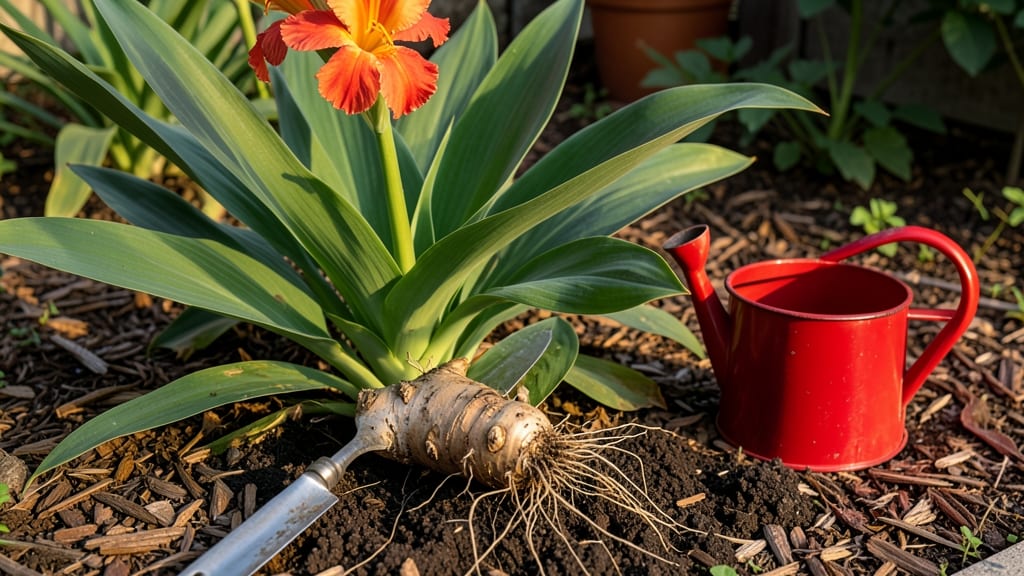
Timing your canna planting in Oklahoma can make the difference between a showstopping summer garden and wilting disappointment before the blooms even appear. With Oklahoma’s 6b-8a climate, those bold 🌺 cannas need the perfect frost-free window to thrive—and missing it means missed opportunities for vibrant foliage and dramatic flowers.
Most gardeners in Oklahoma wait until after the last frost date—typically between mid-April and early May—when soil temperatures finally hit that sweet spot of 60°F or warmer.
This timing isn’t just about avoiding frost; it’s about giving your cannas the head start they need to soak up Oklahoma’s intense summer sun without stress.
But here’s the catch: planting too early can leave your cannas vulnerable to late frosts, while waiting too long might stunt their growth before the heat kicks in.
I’ll walk you through the exact window, soil prep tips, and even how to extend your cannas’ season so you can enjoy their tropical beauty from June through fall.
Ready to transform your Oklahoma garden into a canna paradise? Let’s dive into the frost-free planting strategy that’ll have your cannas reaching for the sky—and blooming like never before.
Oklahoma’s ideal canna planting timeline: avoiding frost and heat stress
Oklahoma’s last frost dates vary dramatically across the state—from mid-March in southern regions like Lawton to mid-April in northern zones like Norman.
Since cannas cannot tolerate frost, timing your planting after these dates is critical. Wait until soil temperatures consistently reach 60°F or warmer—a key indicator that your cannas will thrive without shock.
Most Oklahoma gardeners should aim to plant canna rhizomes between late April and early May. This window gives your plants enough time to establish roots before Oklahoma’s sweltering summer heat arrives.
Early planting (before soil warms) risks stunted growth, while late planting (after June) may delay blooming until fall—missing your peak display window.
Use this simple rule of thumb: If you’re in USDA Zone 7b or warmer (southern OK), you can plant as early as April 1st.
Gardeners in Zone 6b or cooler (northern OK) should wait until May 1st to avoid frost surprises. Check your local Almanac’s frost forecast for precision.
Oklahoma’s microclimates matter. Cities like Tulsa (Zone 7a) can plant 1-2 weeks earlier than Oklahoma City (Zone 7b), thanks to urban heat islands. Rural areas with higher elevations (like the Ozark Mountains) may need to delay planting by another week to avoid late frosts.
| Oklahoma Region | Last Frost Date | Ideal Planting Window | Soil Temp Requirement |
|---|---|---|---|
| Southern OK (Lawton, Altus) | March 15–April 1 | Late March–early April | 60°F+ |
| Central OK (OKC, Tulsa) | April 1–April 15 | Late April–early May | 60°F+ |
| Northern OK (Norman, Stillwater) | April 15–May 1 | Early–mid May | 60°F+ |
| Mountainous OK (Ozarks) | May 1–May 15 | Mid–late May | 60°F+ |
If you’re eager to start earlier, pre-sprout rhizomes indoors in late March. Place them in a shallow tray with moist peat moss, keeping them in a warm (70°F) location like a sunny windowsill.
Transplant these pre-sprouted rhizomes outdoors after your region’s last frost date for a 2-week head start on growth.
Oklahoma’s summer heat can stress young canna plants if they’re not established. To prepare, mulch heavily with 2–3 inches of straw or shredded leaves after planting. This retains moisture and keeps roots cool during 100°F+ days.
Avoid planting cannas in low-lying areas where heat collects, as this can cause root rot.
Pro tip: Monitor your local heatwave forecasts in May. If a sudden 90°F+ spike is predicted, provide afternoon shade with a lightweight row cover until plants acclimate. This temporary protection can save your cannas from heat stress during their critical first weeks.
Remember, cannas are tender perennials—they’ll die back to the ground in Oklahoma’s first frost (usually November 1–15). But with the right spring planting timing, you’ll enjoy bold summer blooms from July through October, making every frost-free day count.
Step-by-step canna planting guide for Oklahoma gardeners: soil to sunlight
Oklahoma’s clay-heavy soils and intense summer heat demand special prep before planting cannas. Start by testing your soil’s drainage—cannas hate soggy roots. Amend with compost or sand to improve aeration, especially in low-lying areas where water pools after storms.
Choose a sun-drenched spot with 6+ hours of sunlight daily. In Oklahoma City’s hotter microclimates, partial afternoon shade can prevent leaf scorch. Mark your planting area with stakes or string to ensure proper spacing—24–36 inches apart for mature plants.
Step-by-Step Canna Planting Guide
- 1. Prep Soil: Loosen soil 12 inches deep and mix in 2–3 inches of compost or aged manure. For clay soil, add sand or perlite for drainage.
- 2. Soak Rhizomes: Place canna tubers in warm water for 24 hours to kickstart growth. Discard any soft or moldy tubers.
- 3. Plant Depth: Bury rhizomes 2–4 inches deep, with the eyes facing upward. Space 12–18 inches apart for dwarf varieties, 24–36 inches for standard types.
- 4. Mulch Heavily: Apply 3–4 inches of mulch (straw or shredded leaves) to retain moisture and regulate soil temperature during Oklahoma’s sweltering summers.
- 5. Water Deeply: Soak the soil 1–2 inches deep immediately after planting. Water morning-only to prevent fungal diseases like root rot.
Pro Tip: Plant after soil reaches 60°F+ to avoid stunted growth.
After planting, monitor for pests like Japanese beetles or aphids, which thrive in Oklahoma’s humid summers. Spray affected leaves with neem oil or introduce ladybugs for organic control. Fertilize lightly with a balanced 10-10-10 mix when shoots reach 6 inches tall.
In Tulsa’s wetter zones, elevate canna beds with raised planters to prevent waterlogging. For Oklahoma City’s alkaline soils, add sulfur or peat moss to lower pH slightly. Adjust mulch thickness in fall—reduce to 1–2 inches to allow soil to cool for dormancy.
Cannas in Oklahoma reward patience with bold blooms from July to frost. Deadhead spent flowers to encourage continuous blooming and protect tubers by mid-October. Dig up rhizomes before first frost (Nov 1–15) and store them in dry peat moss until spring.