
Plants
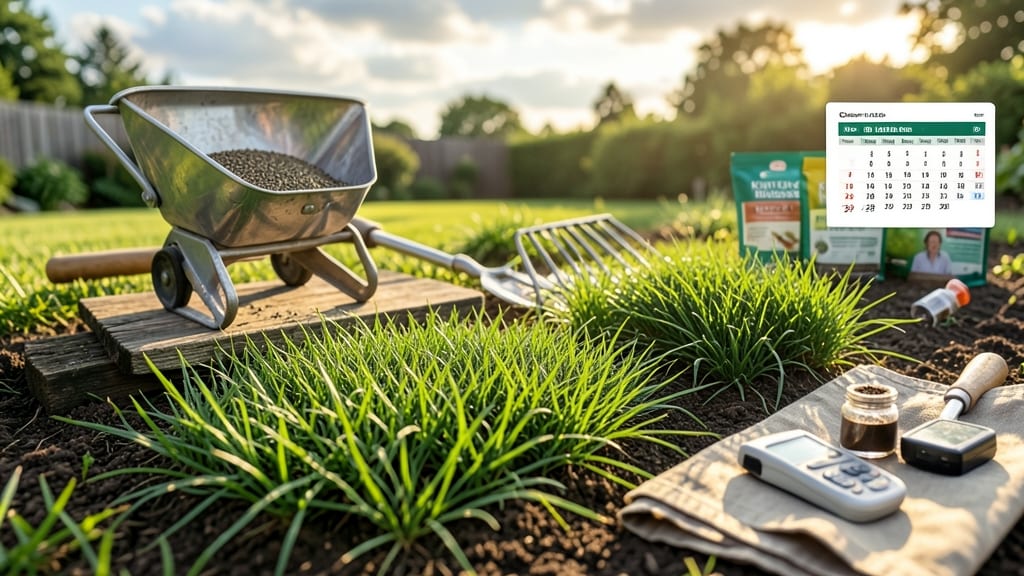
Planting grass seed in Colorado at the wrong time can turn your dream of a lush lawn into a frustrating gamble—especially when temperatures swing wildly between 50°F and 80°F in just a few weeks.
If you’ve ever wondered why your grass sprouts slowly or dies back within months, the answer likely lies in timing.
Colorado’s USDA zones 5-7 (like Denver’s 5b-6a or Colorado Springs’ 6a) demand precision—plant too early, and frost will kill tender seedlings; too late, and summer heat will stress them before they take root.
Here’s the game-changer: the best months to plant grass seed in Colorado depend on your elevation.
Early spring (March-April) and early fall (August-September) offer the perfect balance of soil warmth and moisture, but regional microclimates—like the Front Range vs. the Western Slope—can shift those windows by weeks.
I’ll break down the exact planting windows for your area, plus pro tips to avoid common mistakes that waste seed and money. Let’s get your lawn off to the fastest, most resilient start possible.
Best months to plant grass seed in Colorado by elevation zone
Colorado’s diverse elevations—ranging from 4,000 to over 14,000 feet—create wildly different planting windows for grass seed. What works in Denver (5,280 ft) fails in Aspen (7,800 ft), and vice versa.
To avoid wasted seed or stunted growth, match your planting schedule to your specific elevation zone and soil temperature thresholds. Let’s break it down by region so you can plant with confidence.
Most Colorado gardeners focus on two ideal planting windows: early spring (March–April) and early fall (August–September). However, these timelines shift based on elevation.
For example, Front Range cities like Denver and Colorado Springs can plant as early as late February, while mountain towns like Breckenridge (9,600 ft) must wait until mid-May or even June. The key is soil temperatures between 50–65°F—cold soil stalls germination, and hot soil dries out seeds.
The Western Slope (e.g., Grand Junction, Durango) enjoys milder winters and can plant 2–4 weeks earlier than the Front Range. Meanwhile, high-elevation areas (7,000+ ft) face shorter growing seasons and earlier frost risks, requiring precise timing.
Below, I’ve mapped out the best months by elevation, including soil temp targets and frost risk factors to help you pick the perfect window.
🌱
| Elevation Zone | Best Planting Months | Soil Temp Threshold | Last Frost Date | Key Risks |
|---|---|---|---|---|
| Front Range (5,000–7,000 ft) | March–April (spring) or August–September (fall) | 50–65°F (10–18°C) | Mid-April (varies by year) | Late spring frosts, summer drought |
| Western Slope (4,000–6,000 ft) | February–March (spring) or July–August (fall) | 55–68°F (13–20°C) | Late March (earlier than Front Range) | Hot, dry summers; early fall frosts |
| Mountain Regions (7,000+ ft) | May–June (spring) or July (fall) | 55–70°F (13–21°C) | Late May–June (highly variable) | Short growing season, late frosts |
For Front Range gardeners (Denver, Colorado Springs, Boulder), late March to early April is ideal for spring planting. If you miss this window, late August to early September offers a second chance—just ensure soil stays warm enough for 10–14 days of germination.
In drier Western Slope areas, like Grand Junction or Durango, plant 2–3 weeks earlier to beat summer heat and drought stress.
High-elevation spots (e.g., Estes Park, Leadville, Vail) demand patience. Wait until after May 15 for spring planting, as late frosts are common.
If you’re in a microclimate (like a sheltered valley), you might push planting to early June, but monitor soil temps daily with a soil thermometer—seeds won’t sprout if the ground is below 50°F.
Pro tip: Use cool-season grasses (like Kentucky bluegrass or fescue) for spring/fall planting, and warm-season grasses (like Bermuda or Zoysia) only if you live in southern Colorado (e.g., Pueblo, Alamosa) and plant in late spring.
Mixing grass types without considering your elevation can lead to patchy, weak lawns that struggle to compete with weeds.
Always check your local CoCoRaHS station or Colorado State University Extension for real-time frost and soil data—these resources adjust for year-to-year variability that can shift planting windows by 2–4 weeks.
For example, 2023’s late spring frosts delayed safe planting in Denver until May 1, while 2022’s mild winter allowed early March sowing.
🌿
One critical mistake Colorado gardeners make? Planting too early and risking frost damage or too late and missing the optimal 60-day growing window before winter. For instance, Boulder’s last frost averages April 15, but 2021 saw frost as late as May 5.
To hedge your bets, start seeds indoors in February (for high elevations) or use a frost cloth to protect new shoots if planting in March or early April.
Finally, watering schedules change by elevation. In Denver, you’ll water daily for 2 weeks, while in Grand Junction, you might water every 3 days due to lower humidity.
Always water deeply in the morning to prevent fungal diseases like dollar spot, which thrives in cool, wet conditions common in Colorado’s spring and fall.
☀️
How to prepare your Colorado lawn for grass seed success
Preparing your lawn properly is just as critical as choosing the right planting time. Colorado’s alkaline soils and dry climate demand extra attention to create the perfect seedbed. Start by testing your soil’s pH level—most grasses thrive in a range of 6.0 to 7.5.
If your soil tests higher, amend it with sulfur or peat moss to lower the pH before planting.
Next, clear the area of weeds and debris using a broadfork or till to loosen compacted soil. Colorado’s clay-heavy soils can become impenetrable, so work in compost or organic matter to improve drainage. Aim for a fine, crumbly texture—like a well-fluffed cake batter—to ensure good seed-to-soil contact.
Test Soil pH
Remove Weeds & Debris
Loosen Soil with Tiller
Add Compost (2-3 inches)
Level & Rake Seedbed
After amending the soil, create a smooth, level surface using a lawn rake. Fill in low spots with a mix of topsoil and compost, and rake away any remaining clumps. This step is crucial—uneven surfaces can lead to patchy germination and water pooling, which invites disease.
For extra protection, apply a light layer of straw mulch (¼ inch thick) after planting to retain moisture and shield seeds from wind and bird damage.
Finally, water the area lightly before planting to settle the soil. Colorado’s dry winds can dry out freshly prepared beds quickly, so keep a garden hose nearby for post-planting hydration.
If you’re seeding in late summer or fall, consider using a pre-emergent herbicide 4-6 weeks before planting to prevent weeds from competing with your new grass.
Timing your prep work is key—complete soil amendments 4-6 weeks before planting to allow nutrients to integrate fully. This proactive approach gives your grass seed the best possible start, especially in Colorado’s variable climate where early frosts or sudden heat waves can derail germination.
With the right preparation, your Colorado lawn will have the ideal conditions for fast, even germination and long-term resilience. Just remember: patience and persistence pay off in a thicker, greener lawn that stands up to the state’s dry spells and temperature swings.