
Plants
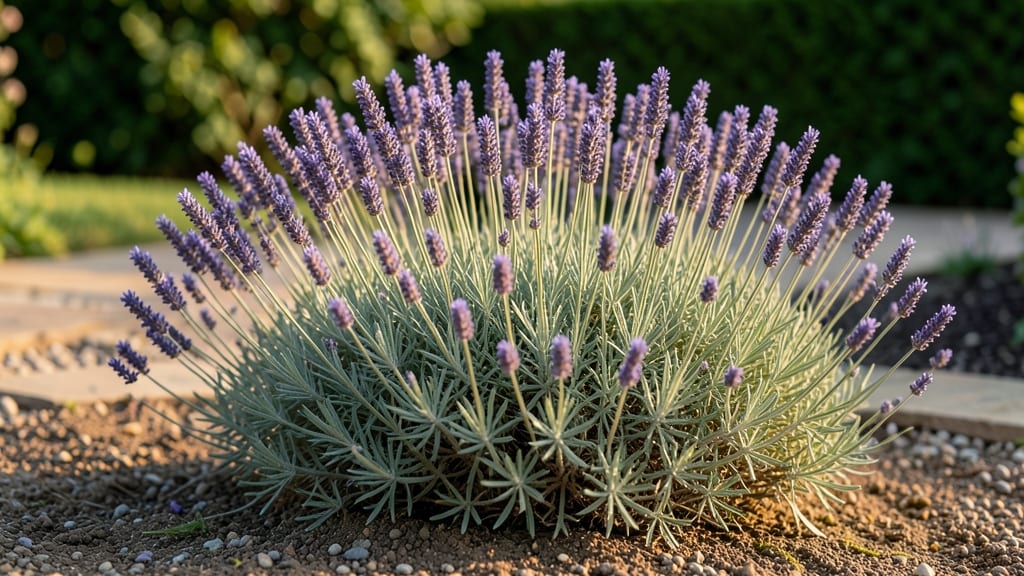
Ideal sunlight requirements for lavender plants: full sun vs. partial shade
Lavender thrives under full sun exposure, making it one of the sunniest plants in your garden. Ideally, your lavender should receive 6 to 8 hours of direct sunlight daily to produce those signature fragrant blooms and maintain its vibrant color.
Without enough light, lavender becomes weak, leggy, and may even stop flowering entirely.
While lavender can tolerate partial shade in hot climates, it’s not ideal. In regions with intense afternoon heat, providing morning sun and afternoon shade can prevent leaf scorch. However, even in these cases, aim for at least 4 to 6 hours of direct sunlight to keep your lavender healthy.
For container-grown lavender, placement matters even more. A sunny balcony or patio with southern exposure is perfect, while a north-facing spot will leave your plant struggling. If you’re growing lavender indoors, a south-facing window with supplemental grow lights can mimic outdoor conditions.
Here’s how lavender’s sunlight needs break down by climate:
| Climate Type | Ideal Sunlight | Adjustments for Heat |
|---|---|---|
| Cool Climates (Zones 4-6) | 6-8 hours full sun | Minimal adjustments needed |
| Hot/Dry Climates (Zones 7-10) | 6 hours morning sun + afternoon shade | Use shade cloth in peak heat |
| Humid Climates (Zones 7-9) | 6-8 hours sun with good airflow | Avoid afternoon shade; prioritize airflow |
| Indoor Growing | 8+ hours full sun or grow lights | Supplement with LED grow lights 12-14 hrs/day |
Lavender’s dwarf varieties, like 'Hidcote' or 'Munstead,' are slightly more adaptable to partial shade but still need at least 4 hours of direct light to thrive. If you notice your lavender’s stems stretching toward light or leaves turning pale, it’s a clear sign it’s not getting enough sun.
Conversely, too much direct sunlight without proper watering can cause leaf burn, especially in hot climates. Mulching around the base of your lavender helps retain moisture and protect roots from extreme heat. In containers, ensure pots have drainage holes to prevent root rot from excess water.
Seasonal adjustments are key. In summer months, lavender may benefit from a few hours of afternoon shade, while in winter, it can handle more direct sunlight since days are shorter. Always monitor your plant’s response and adjust its placement as needed.
Pro tip: If you’re planting lavender in your garden, avoid areas where trees or structures cast deep shade during peak growing months. Even a few hours of shade can reduce flowering and weaken the plant’s structure over time.
Remember, lavender’s love for sunlight is non-negotiable. When placed correctly, it rewards you with abundant blooms, strong fragrance, and years of low-maintenance beauty. 🌿☀️
Ideal sunlight requirements for lavender plants: full sun vs. partial shade
Lavender plants thrive under full sun exposure, needing at least 6-8 hours of direct sunlight daily for optimal growth and blooming. This Mediterranean native loves bright conditions that mimic its natural habitat. Without enough light, you’ll see weak stems, sparse foliage, and fewer—if any—fragrant blooms.
In hot climates, lavender can handle up to 10 hours of sunlight, but afternoon shade helps prevent heat stress.
In cooler regions, aim for at least 6 hours of morning sun, as this gives plants energy without scorching delicate leaves. Partial shade (3-6 hours of sun) may work for container lavender, but expect slower growth and fewer flowers.
🌿 Lavender Sunlight Summary
| Condition | Requirements | Notes |
|---|---|---|
| Minimum Sunlight | 6 hours/day | Partial shade reduces blooms |
| Ideal Sunlight | 6-8 hours/day | Best for growth and fragrance |
| Maximum Sunlight | 10 hours/day | Afternoon shade needed in heat |
| Shade Tolerance | 3-6 hours/day | Weak growth, fewer flowers |
If your lavender isn’t getting enough light, its leaves may turn yellow or pale, and stems will stretch toward any available light—a condition called etiolation.
This weakens the plant and makes it more prone to disease. Conversely, too much direct sun can cause leaf bleaching or scorching, especially in high-heat zones.
For container-grown lavender, place pots in the sunniest spot on your patio or balcony. South-facing windows are ideal indoors, but supplement with a grow light (12-14 hours/day) if natural light is limited. Rotate containers weekly to ensure even growth and prevent leaning.
In USDA Zones 5-8, lavender can handle winter dormancy with reduced sunlight, but avoid deep shade during this time. Prune back dead growth in early spring to encourage new, sun-loving shoots. Mulch lightly around the base to retain moisture without smothering roots.
Remember, lavender’s fragrance and color depend on sunlight. The more light it gets, the more vibrant blooms and intense scent you’ll enjoy. Start with 6+ hours daily, and adjust based on your climate and container setup. ☀️