
Plants
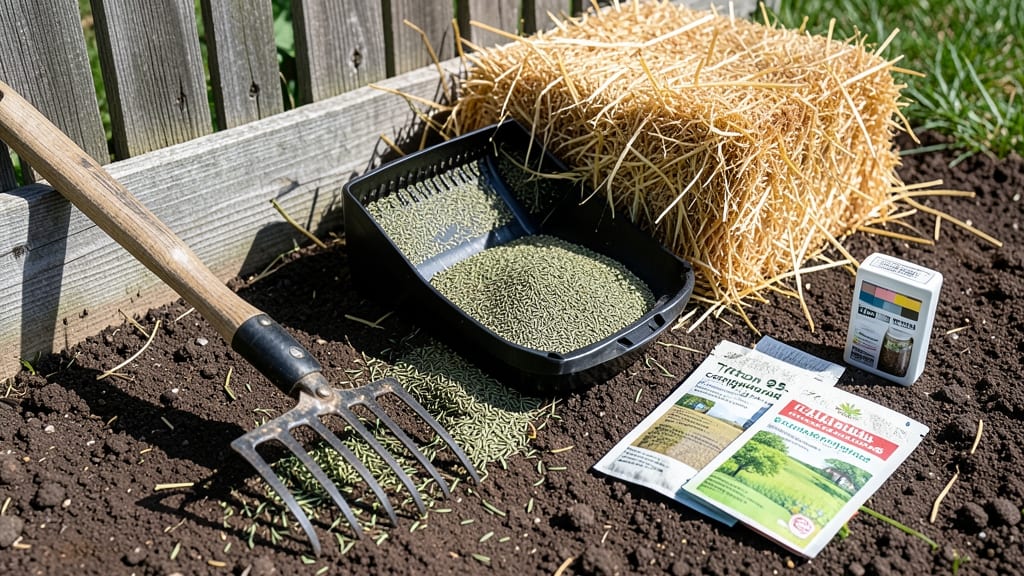
If you’ve ever stared at your patchy Georgia lawn and wondered why it’s not thriving, the answer might be simpler than you think: the best time to plant grass seed in Georgia isn’t just about the calendar—it’s about tapping into the state’s unique climate quirks.
Georgia’s 7b-8b zones mean scorching summers and unpredictable humidity, but there’s a sweet spot where soil temperatures and rainfall align perfectly for deep root growth. Whether you’re in Atlanta’s urban heat or the coastal lowlands, timing matters more than most gardeners realize.
Let’s cut through the guesswork and focus on the cool-season window that sets your lawn up for success.
You’ll discover why late summer or early spring are your best bets—and how to avoid common pitfalls like seed burn or shallow roots. I’ll walk you through the science behind Georgia’s microclimates, so you can plant with confidence, whether you’re seeding a new yard or reviving an old one.
Ready to transform your lawn? The key isn’t just when you plant—it’s how you prepare. Stick with me, and you’ll learn the exact steps to turn your grass seed into a lush, resilient carpet that survives Georgia’s extremes.
Georgia’s ideal grass seed planting timeline: month-by-month breakdown for cool-season success
Planting grass seed in Georgia isn’t just about picking a month—it’s about aligning with soil temperatures, rainfall patterns, and regional microclimates. The cool-season window (fall and early spring) offers the perfect balance of moderate temps and consistent moisture for deep root establishment.
In Georgia’s USDA Zones 7b-8b, this means targeting March-April for spring or August-September for fall.
Why? Warm-season grasses like Bermuda and Zoysia dominate Georgia’s summers, but cool-season grasses (like Tall Fescue or Ryegrass) thrive when soil temps drop below 85°F. Fall planting gives seeds 6-8 weeks to establish roots before winter dormancy, while spring planting avoids summer’s heat stress and drought conditions.
Georgia’s geography adds complexity: North Georgia (higher elevations) has cooler temps, while South Georgia (coastal areas) stays warmer longer. For example, Athens (Zone 7b) can plant in late February, while Savannah (Zone 8a) should wait until early April.
Always check your last frost date (mid-March in most areas) to avoid seedling damage.
Here’s the month-by-month breakdown for Georgia’s two best planting windows, including soil temp thresholds, rainfall needs, and grass type recommendations to maximize success.
| Month | Ideal Soil Temp (°F) | Rainfall Needs | Grass Type | Key Considerations |
|---|---|---|---|---|
| February | 55–65°F | 1–1.5" weekly | Tall Fescue, Ryegrass | Risk of late frost; best for North GA |
| March | 60–70°F | 1.5–2" weekly | Tall Fescue, Perennial Ryegrass | Optimal for most of GA; avoid after last frost |
| April | 65–75°F | 1–1.5" weekly | Bermuda (warm-season) | Late April risks summer heat; use shade cloth |
| August | 75–85°F | 1.5–2" weekly | Tall Fescue, Ryegrass | Best for South GA; water deeply at night |
| September | 60–70°F | 1–1.5" weekly | Tall Fescue, Fine Fescue | Ideal for deep roots before winter |
Fall planting in September is often the gold standard for Georgia lawns. Soil stays warm enough for germination but cools for root development, while shorter daylight hours reduce stress on seedlings. In contrast, spring planting (March-April) works best in North Georgia where frosts linger later.
For South Georgia, August is the last safe window before summer’s intense heat and fungal risks (like brown patch disease) take hold.
Pro tip: Use a soil thermometer to confirm temps are in the 60–75°F range before planting. If temps spike above 85°F, seeds may overheat and fail to germinate.
Pair this with a 7-day rainfall forecast—aim for at least 1 inch of rain in the first 2 weeks post-planting to avoid irrigation struggles.
For warm-season grasses (like Bermuda), late April is the cutoff—planting after this risks seed burn and shallow roots. If you’re overseeding an existing lawn, late summer (August) is ideal to thicken warm-season grass before winter dormancy.
Regional adjustments matter: In Atlanta (Zone 7b), plant Tall Fescue in early March or September. In Savannah (Zone 8a), wait until late March or early September to avoid humidity-related fungal issues. Always check the University of Georgia Cooperative Extension for localized advice.
5 Critical factors that determine the perfect planting window in Georgia (and how to check them)
Timing your grass seed planting in Georgia isn’t just about picking a month—it’s about checking five key factors that create the ideal conditions for germination and root growth. I’ve learned the hard way that skipping these checks can mean wasted seed and months of frustration.
Let’s break down what to monitor and how to verify each one before you plant.
First, soil temperature is your most critical gauge. Grass seed thrives when soil hovers between 60–75°F—any hotter, and you risk seed burn or shallow roots. Use a soil thermometer (just $10 at garden centers) to test 2–3 inches deep.
In Georgia, this typically means waiting until late August for fall planting or early April for spring.
Next, check rainfall forecasts for the next 2–3 weeks. New grass needs consistent moisture during establishment, and Georgia’s unpredictable summer storms can either drown or dry out your seed. I rely on the NOAA Climate Prediction Center or my local Cooperative Extension Service for reliable data—both offer free, Georgia-specific outlooks.