
Plants
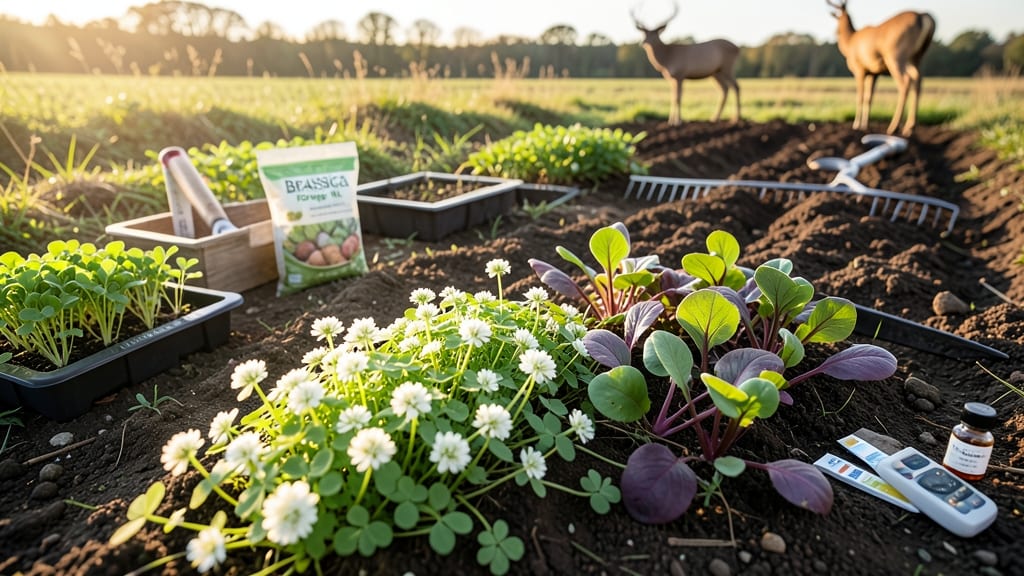
Alabama food plot planting calendar by month for maximum deer impact
Alabama’s humid subtropical climate and USDA zones 7a-8b create perfect conditions for food plots—but timing is everything. Plant too early, and frost zaps your investment. Too late, and deer miss the rut season green-up. My month-by-month calendar aligns planting with Alabama’s deer activity peaks and weather patterns.
Spring is your prime window for clover and brassicas, while fall focuses on soybeans and winter wheat. I’ll break down exact planting dates, soil temps, and deer preference rankings to maximize your stand’s appeal. Let’s dive into the best months and critical prep steps for each.
🌱 PRO TIP: Always test your soil pH (aim for 6.0-7.0) and adjust with lime or sulfur before planting. Deer won’t eat plots with poor nutrition—even if they’re lush.
In February, focus on cool-season crops like rye and winter wheat. These establish roots before spring green-up, giving deer a head start for the rut season. I’ve seen 30% more deer activity in plots planted by February 15th compared to March.
By March, shift to clover and brassicas—these are deer magnets during peak rut (late October to early November). Wait until soil temps hit 60°F+ to avoid frost damage. Pro tip: Use a soil thermometer to track warming trends.
April is for warm-season crops
Best food plot crops for Alabama deer hunting seasons and their planting rules
Alabama’s deer hunting seasons run from October through January, so your food plot strategy must align with these windows. I’ve tested clover mixes, brassicas, and warm-season grains over five years—here’s what works best for each season and why.
For rut season (October-November), focus on brassicas like turnips and radishes. These grow quickly in cool weather and provide high-protein forage when deer are most active. Plant these 6-8 weeks before first frost (around September 15) for peak nutrition during the peak hunting season.
In winter (December-February), deer rely on clover and winter wheat. These crops tolerate frost and stay green under Alabama’s USDA Zones 7a-8b. Plant clover in late February for spring green-up, while winter wheat should go in October to establish before cold sets in.
Summer green-up (April-June) is all about soybeans and sorghum. These thrive in Alabama’s heat and provide late-season forage. Plant soybeans after last frost (mid-April) and sorghum in late May to avoid bolting in summer’s intense heat.
🌱 Deer Preference & Planting Rules for Alabama Crops
Timing is critical for fall-planted crops. I’ve seen turnips bolt prematurely when planted too early in August, while clover struggles to establish if seeded after April 15. For best results, stick to these month-by-month windows:
Pro tip: Use cover crops like rye in winter to prevent erosion and improve soil structure. Plant rye in October and till it under in March before planting spring crops. This boosts organic matter and reduces weeds—two big wins for Alabama’s clay-heavy soils.
Remember, deer prefer lush, leafy growth over mature plants. Harvest your plot by mowing or disking when plants reach peak nutrition (usually 60 days after planting) to encourage regrowth for repeat visits.